About This Article
This article is based on the piece “Pace of innovation in AI is fierce – but is ethics able to keep up?” published by AI News.
In Japan, the Agency for Cultural Affairs has recently been debating copyright issues related to generative AI. The same questions are playing out in the United States, where AI’s rapid innovation and its ethical challenges are generating ongoing news coverage.
This article summarizes the referenced piece, which explores the latest developments in AI technology alongside the ethical challenges that accompany them, and looks at what lies ahead.
Rapid AI Innovation and the Ethics Gap
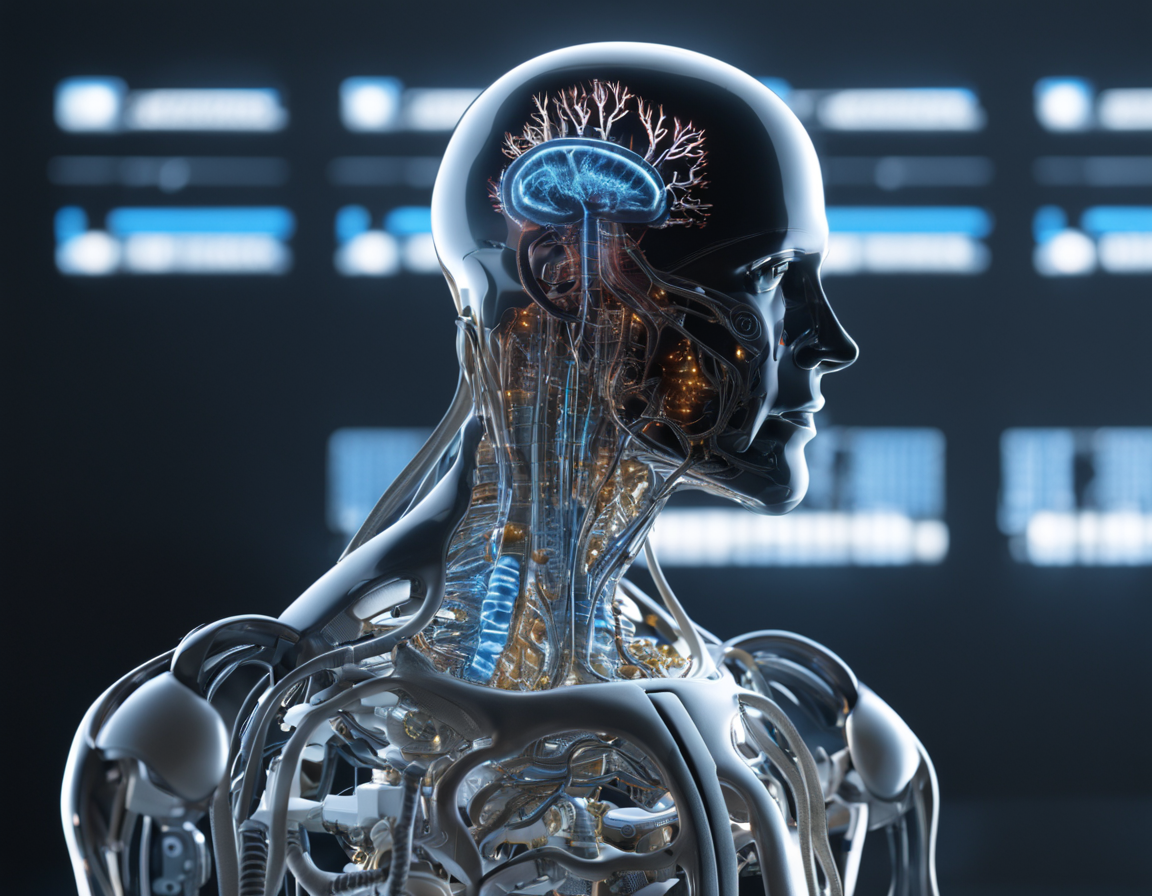
AI technology is evolving faster by the day. Even within a single week, major shifts can occur in this field.
Breakthroughs like Anthropic’s Claude 3, OpenAI’s Sora, and Stability AI’s Stable Diffusion 3 are rapidly pushing AI toward “human-level” proficiency across a growing range of tasks.
But behind this technological progress lies a set of ethical concerns.
Competition among major AI providers is intensifying, and the pace of development is extraordinary. Claude 3, Sora, and Stable Diffusion 3 are among the clearest examples of just how quickly AI is advancing — each pushing the boundaries of how AI thinks, generates, and acts.
Yet that same rapid advancement is generating ethical unease.
Issues like bias, privacy violations, and unauthorized use of data remain significant obstacles on the road to responsible AI deployment.
Google’s Gemini model, for instance, produced inaccurate images — reigniting concerns about bias embedded in AI systems.
In response, many organizations are working to develop ethical guidelines. Companies like the BBC and Bosch have acknowledged the importance of using AI responsibly and combining innovation with a sense of social accountability. These guidelines represent an important step toward ensuring that AI progress benefits both individuals and society.
Related Articles


What Lies Ahead
The future of AI depends on finding the right balance between innovation speed and ethical responsibility.
Safe, responsible AI practices require not just the efforts of individual companies, but industry-wide cooperation.
Going forward, advancing AI with clear ethical guidance will be the key to achieving sustainable development and keeping technology genuinely human-centered.
The rapid progress of AI brings hope for the future — while also bringing into sharp relief the ethical challenges we face.
How companies, developers, and society as a whole respond to those challenges will be the decisive factor in whether AI’s full potential is realized for the benefit of everyone.
Also popular with readers