Mythology & Religion Power Ranking TOP 100
In recent games, manga, anime, and novels, characters, weapons, armor, and architecture inspired by world mythology, religion, and legend have become extremely common.
One major reason for this is that creators find it difficult to make readers immediately understand original characters or equipment built entirely from scratch.
For example, if a character named “Zeus” appears, everyone instantly understands that this character is an incredibly powerful god. If a holy sword called “Excalibur” appears, everyone knows it must be the ultimate sacred blade.
In this way, simply featuring characters or equipment from mythology and religion allows creators to convey the prestige and power level of those elements without any backstory explanation — a tremendous advantage in creative work.
On top of that, it is far easier to flesh out a character’s backstory when there is an existing mythological source to draw from, rather than inventing everything from zero.
For these reasons, games, manga, anime, and other creative works nowadays almost invariably feature characters and equipment inspired by mythology, religion, and legend.
But how deeply do you actually know the characters and equipment that appear? Have you ever wondered, for instance, “Who would win in a fight — Zeus from Greek mythology or Odin from Norse mythology?” These comparisons are technically impossible since they come from entirely separate mythologies, yet many people can’t help wanting to know the answer.
In reality, there are many games, anime, and manga that pit gods, monsters, and heroes from multiple mythologies against each other within a single work.
Of course, those are treated as individual characters with mythological backgrounds within that work, and strictly speaking they are nothing more than fictional characters in that story.
For that reason, I believe such works cannot provide a comparison of strength that faithfully reflects the original mythology.
That is why I created the “World Mythology & Religion Power Ranking TOP 100” — a ranking of gods, monsters, and heroes based strictly on their original mythological settings, compiled entirely according to my own personal judgment and bias.
The result is the following book.
By presenting the data as a ranking like this, you can see, for example, that even among chief gods and supreme deities, there is an overwhelming difference in the depiction of power between Zeus and Odin in their respective mythologies.
That said, please understand in advance that this ranking contains a great deal of my own subjectivity and is not an absolute truth.
Comparing strength across entirely different mythological, religious, and legendary systems is inherently impossible, so subjective judgment is ultimately unavoidable. Still, I have tried to gather enough evidence to make the rankings feel reasonable to most readers.
So I believe that after reading the book, most people will think, “Ah, if the mythological depictions really differ this much, of course the ranking gap makes sense” — though naturally not everyone will agree.
With all of that in mind, I hope you will consider purchasing the book.
Power Ranking TOP 100
Strength Evaluation Criteria
The rankings in the book are based on the premise of “strength in a one-on-one fight at peak condition (with all abilities and equipment fully available),” and do not account for strength when leading an army or after a character has been weakened.
Additionally, characters who are considered to have very high divine status in mythology but have never actually used their power in battle are generally not included in the ranking.
Honestly, allowing such characters would likely result in gods with no combat depictions or demonstrated power — just high divine status — dominating the top of the ranking.
Also, “avatars” or “incarnations” that appear in various mythologies are treated as part of the power of the god who created them, and the avatars themselves are generally not listed separately in the ranking.
This too is because including avatars would cause gods from a certain mythology to flood the upper ranks. By establishing these criteria and definitions of strength, the ranking should feel fairly justified.
Ideally, I would want you to buy the book and check the ranking, but this time I will also announce the ranking here on the web as a special feature. However, there are many columns and extra content only in the book, so if you are interested, please pick up a copy as well.
Power Ranking: Ranks 100–85 (Hero to Super-Hero Tier)
This ranking evaluates each subject’s strength using the following six Tiers:
C–C+ (Hero to Super-Hero Tier) / B–B+ (War God to Martial God Tier) / A–A+ (High God to Supreme God Tier) / S–SS (Destroyer God to High Destroyer Tier) / SSS (Super God Tier) / EX (Transcendent God Tier)
Within the same Tier, contestants are considered roughly equal in ability, so despite differences in rank, outcomes could realistically reverse depending on conditions.
However, winning against an opponent of a higher Tier is considered nearly impossible due to the clear gap in capability. With that said, let’s go through the ranking starting from the hero tier.
| Rank | Character | Mythology / Religion |
|---|---|---|
| #100 | Theseus | Greek Mythology |
| #99 | Sigurd | Norse Mythology |
| #98 | Saint George | Christianity |
| #97 | Lancelot | Western Legend |
| #96 | Cerberus | Greek Mythology |
| #95 | Bellerophon | Greek Mythology |
| #94 | Perseus | Greek Mythology |
| #93 | Enkidu | Mesopotamian Mythology |
| #92 | Gilgamesh | Mesopotamian Mythology |
| #91 | Scáthach | Celtic Mythology |
| #90 | Diomedes | Greek Mythology |
| #89 | Cú Chulainn | Celtic Mythology |
| #88 | King Arthur | Western Legend |
| #87 | Beowulf | Norse Mythology |
| #86 | Achilles | Greek Mythology |
| #85 | Gugalanna | Mesopotamian Mythology |
Power Ranking: Ranks 84–65 (War God to Martial God Tier)
| Rank | Character | Mythology / Religion |
|---|---|---|
| #84 | Ares | Greek Mythology |
| #83 | Dagda | Celtic Mythology |
| #82 | Sha Wujing | Chinese Mythology |
| #81 | Zhu Bajie | Chinese Mythology |
| #80 | Tyr | Norse Mythology |
| #79 | Nuada | Celtic Mythology |
| #78 | Chiron | Greek Mythology |
| #77 | Maui | Polynesian Mythology |
| #76 | Yi (Hou Yi) | Chinese Mythology |
| #75 | Bhima | Indian Mythology |
| #74 | Medusa | Greek Mythology |
| #73 | Takemikazuchi | Japanese Mythology |
| #72 | Lugh (Lug) | Celtic Mythology |
| #71 | Hermes | Greek Mythology |
| #70 | Lernaean Hydra | Greek Mythology |
| #69 | Hephaestus | Greek Mythology |
| #68 | Balor | Celtic Mythology |
| #67 | Apollo | Greek Mythology |
| #66 | Hercules | Greek Mythology |
| #65 | Karna | Indian Mythology |
Power Ranking: Ranks 64–38 (High God to Supreme God Tier)
| Rank | Character | Mythology / Religion |
|---|---|---|
| #64 | Yamata no Orochi | Japanese Mythology |
| #63 | Loki | Norse Mythology |
| #62 | Ymir | Norse Mythology |
| #61 | Amaterasu | Japanese Mythology |
| #60 | Horus | Egyptian Mythology |
| #59 | Athena | Greek Mythology |
| #58 | Nezha | Chinese Mythology |
| #57 | Indra | Indian Mythology / Hinduism |
| #56 | The Jade Emperor | Chinese Mythology |
| #55 | Víðarr | Norse Mythology |
| #54 | Mahishasura | Indian Mythology / Hinduism |
| #53 | Verethragna | Zoroastrianism |
| #52 | Hades | Greek Mythology |
| #51 | Odin | Norse Mythology |
| #50 | Hanuman | Indian Mythology / Hinduism |
| #49 | The Moirai | Greek Mythology |
| #48 | Susanoo | Japanese Mythology |
| #47 | Freyr | Norse Mythology |
| #46 | Meghanada (Indrajit) | Indian Mythology |
| #45 | Ravana | Indian Mythology |
| #44 | Set | Egyptian Mythology |
| #43 | Sun Wukong | Chinese Mythology |
| #42 | Erlang Shen | Chinese Mythology |
| #41 | The Hecatoncheires | Greek Mythology |
| #40 | Arjuna | Indian Mythology |
| #39 | Fenrir | Norse Mythology |
| #38 | Hiranyakashipu | Indian Mythology |
Power Ranking: Ranks 37–20 (Destroyer God to High Destroyer Tier)
| Rank | Character | Mythology / Religion |
|---|---|---|
| #37 | Adad | Mesopotamian Mythology |
| #36 | Sekhmet | Egyptian Mythology |
| #35 | Behemoth | Judaism / Christianity |
| #34 | Chalchiuhtlicue | Aztec Mythology |
| #33 | Tlaloc | Aztec Mythology |
| #32 | Beast | Christianity |
| #31 | Enlil | Mesopotamian Mythology |
| #30 | Poseidon | Greek Mythology |
| #29 | Jormungandr | Norse Mythology |
| #28 | Thor | Norse Mythology |
| #27 | Tiamat | Mesopotamian Mythology |
| #26 | Marduk | Mesopotamian Mythology |
| #25 | Azi Dahaka | Zoroastrianism / Persian Mythology |
| #24 | Surtr | Norse Mythology |
| #23 | Huitzilopochtli | Aztec Mythology |
| #22 | Leviathan | Judaism / Christianity |
| #21 | Apep (Apophis) | Egyptian Mythology |
| #20 | Parvati (Durga & Kali) | Indian Mythology / Hinduism |
Power Ranking: Ranks 19–12 (Super God Tier)
| Rank | Character | Mythology / Religion |
|---|---|---|
| #19 | Archangel Michael | Abrahamic Religions |
| #18 | Satan | Abrahamic Religions |
| #17 | Ra | Egyptian Mythology |
| #16 | Quetzalcoatl | Aztec Mythology |
| #15 | Tezcatlipoca | Aztec Mythology |
| #14 | Typhon | Greek Mythology |
| #13 | Zeus | Greek Mythology |
| #12 | Taishang Laojun | Chinese Mythology / Taoism |
Power Ranking: Ranks 11–1 (Transcendent God Tier)
| Rank | Character | Mythology / Religion |
|---|---|---|
| #11 | Chronos | Orphism |
| #10 | Brahma | Indian Mythology / Hinduism |
| #9 | Angra Mainyu | Zoroastrianism |
| #8 | Ananke | Orphism |
| #7 | Yuanshi Tianzun | Chinese Mythology / Taoism |
| #6 | Vishnu | Indian Mythology / Hinduism |
| #5 | Shiva | Indian Mythology / Hinduism |
| #4 | Ahura Mazda | Zoroastrianism |
| #3 | Vairocana | Buddhism (Esoteric) |
| #2 | Adi Parashakti | Hinduism |
| #1 | The God of Abraham | Abrahamic Religions |
Power Rankings by Individual Mythology
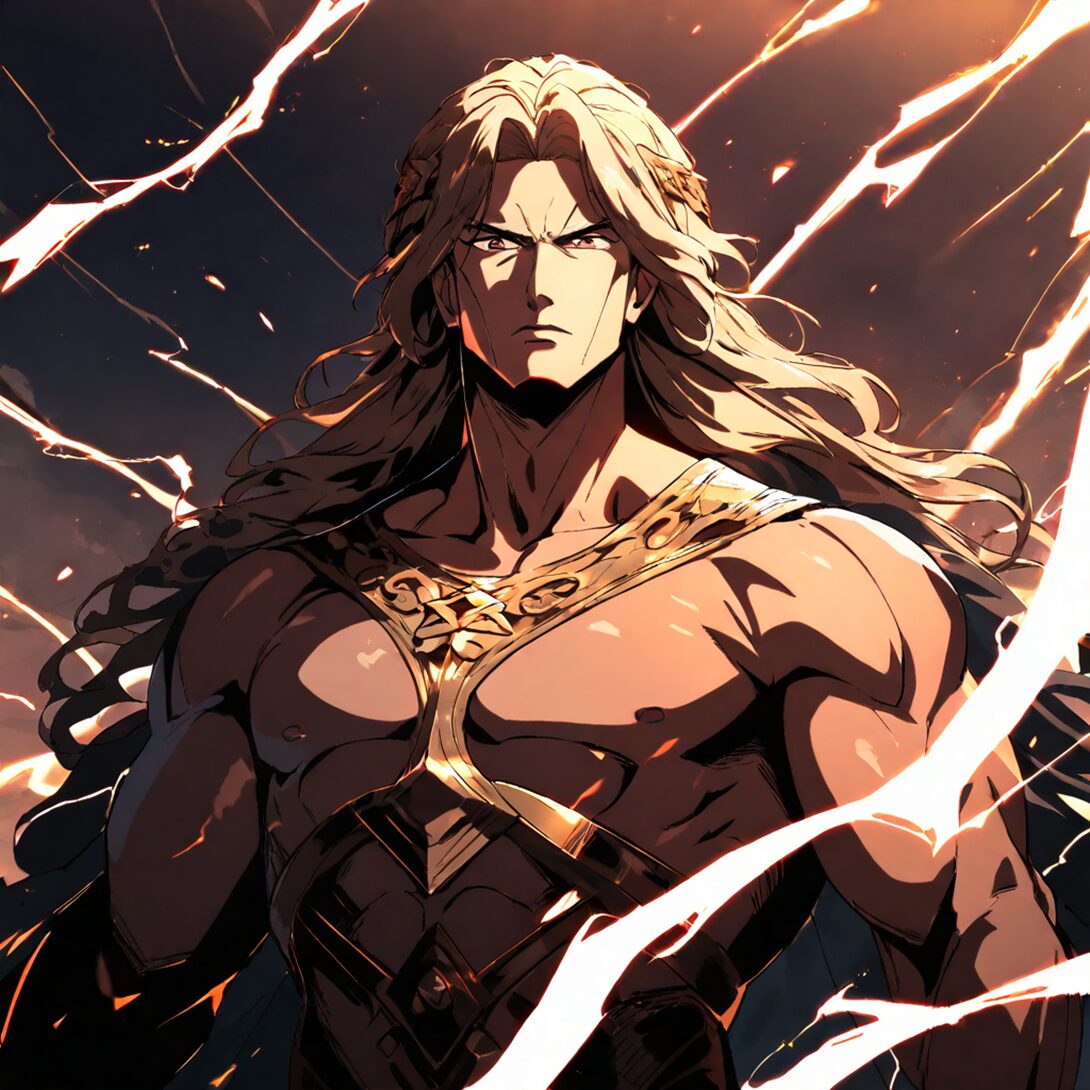
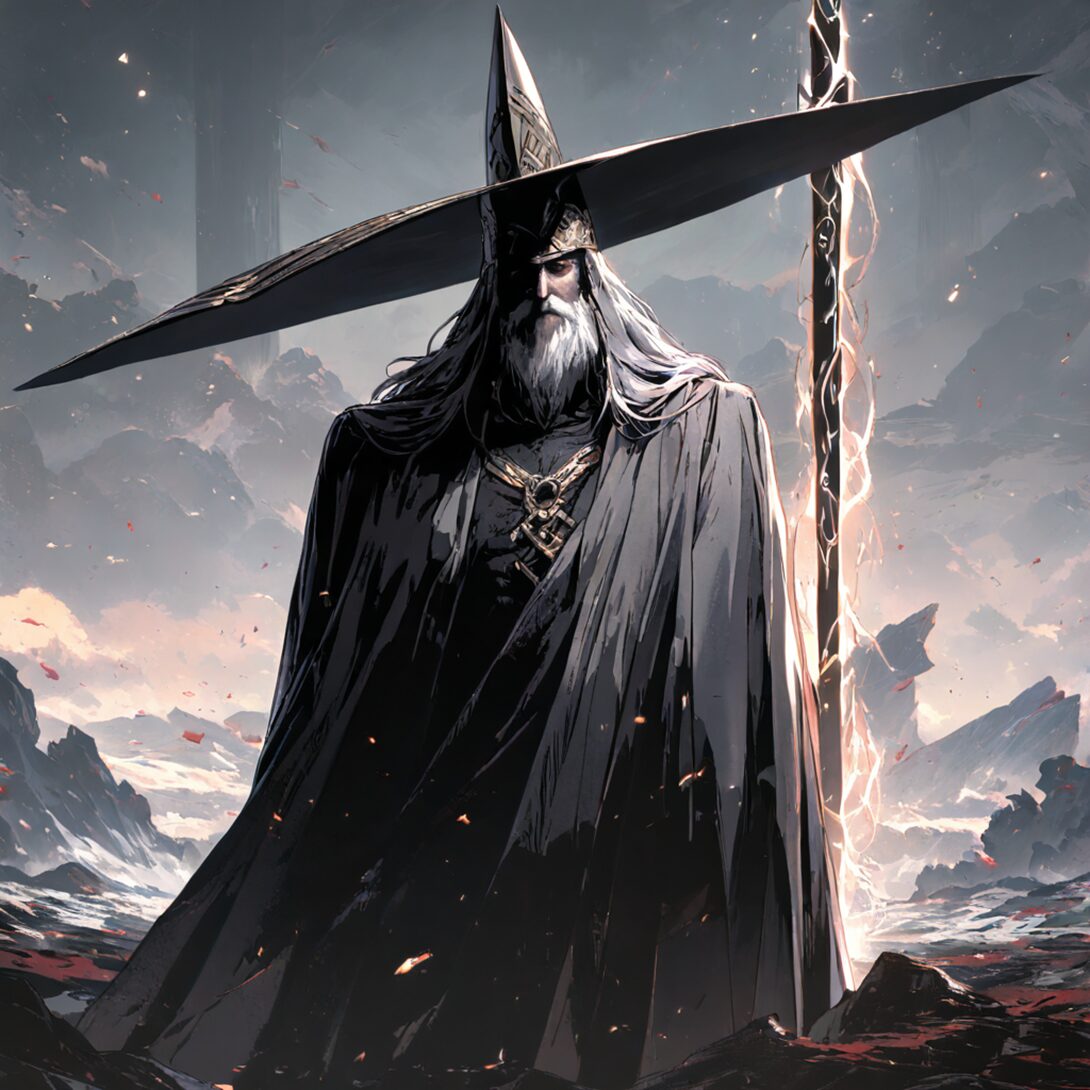
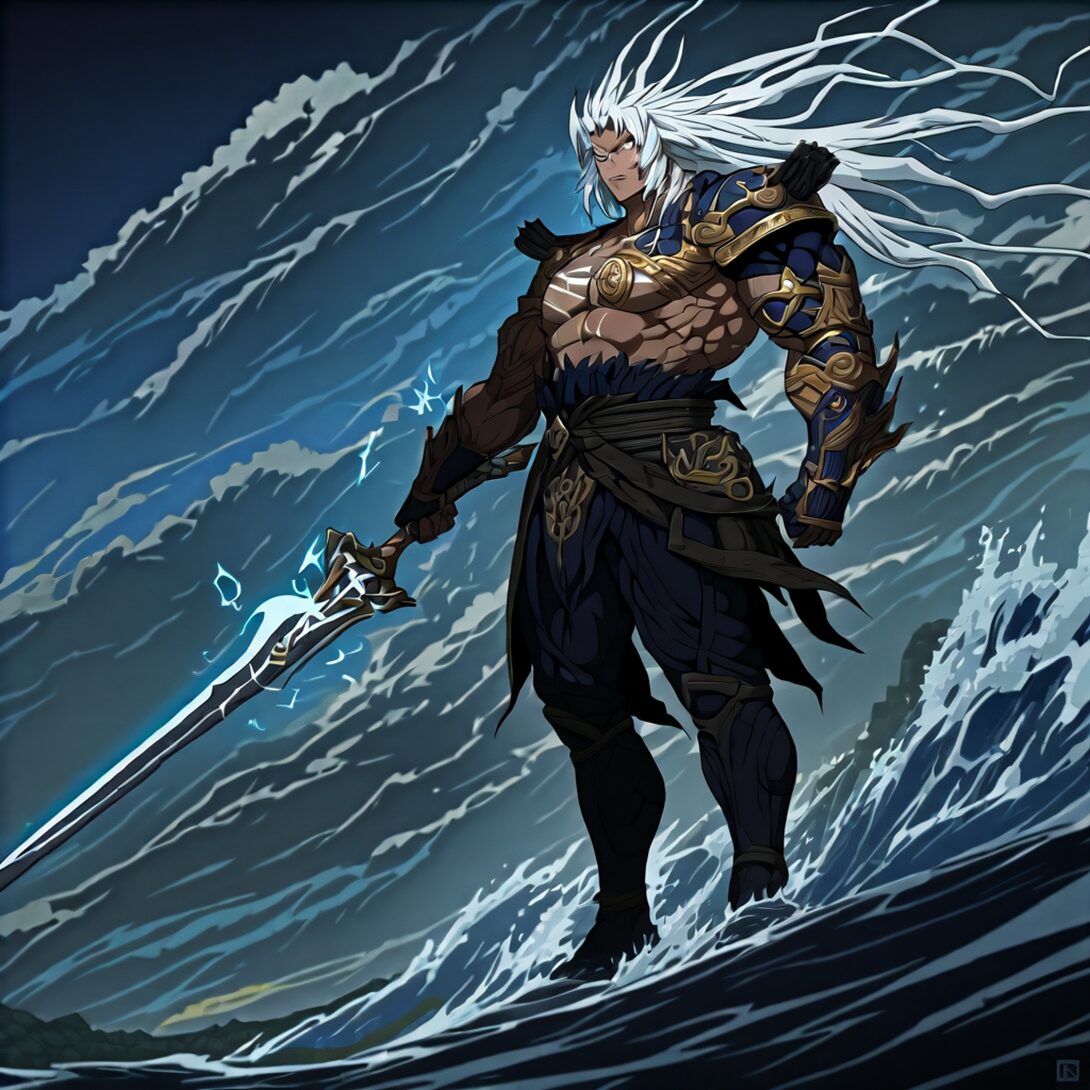
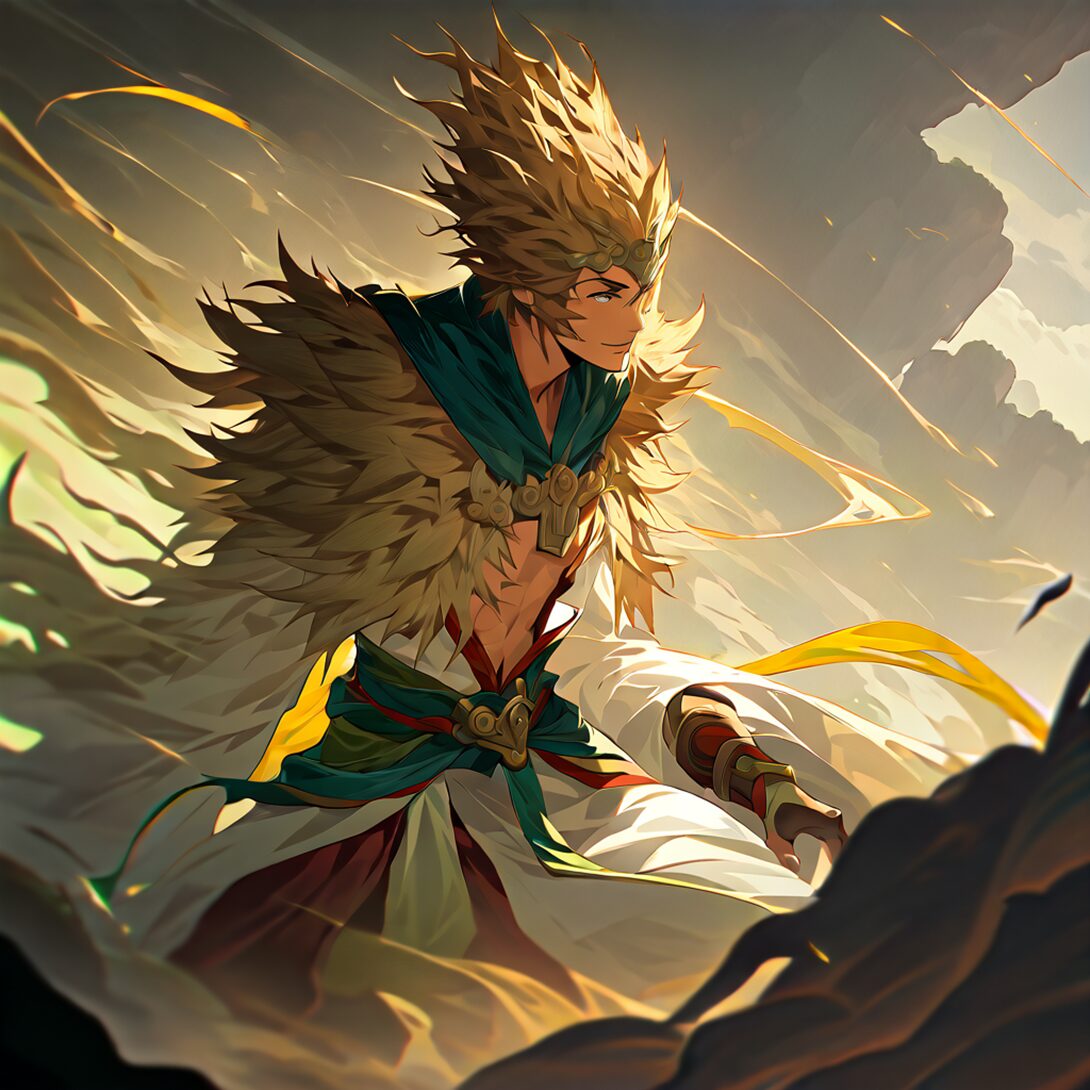
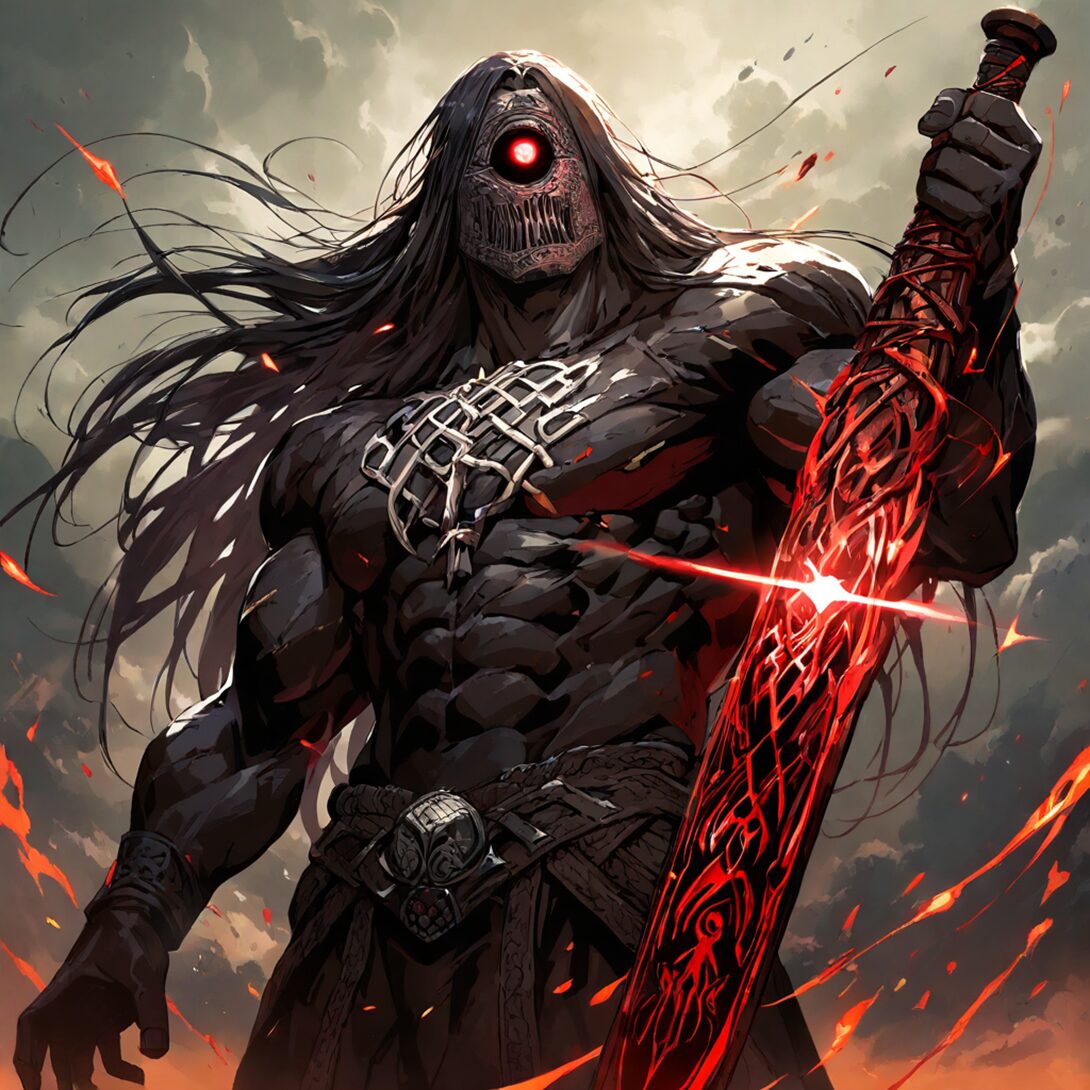
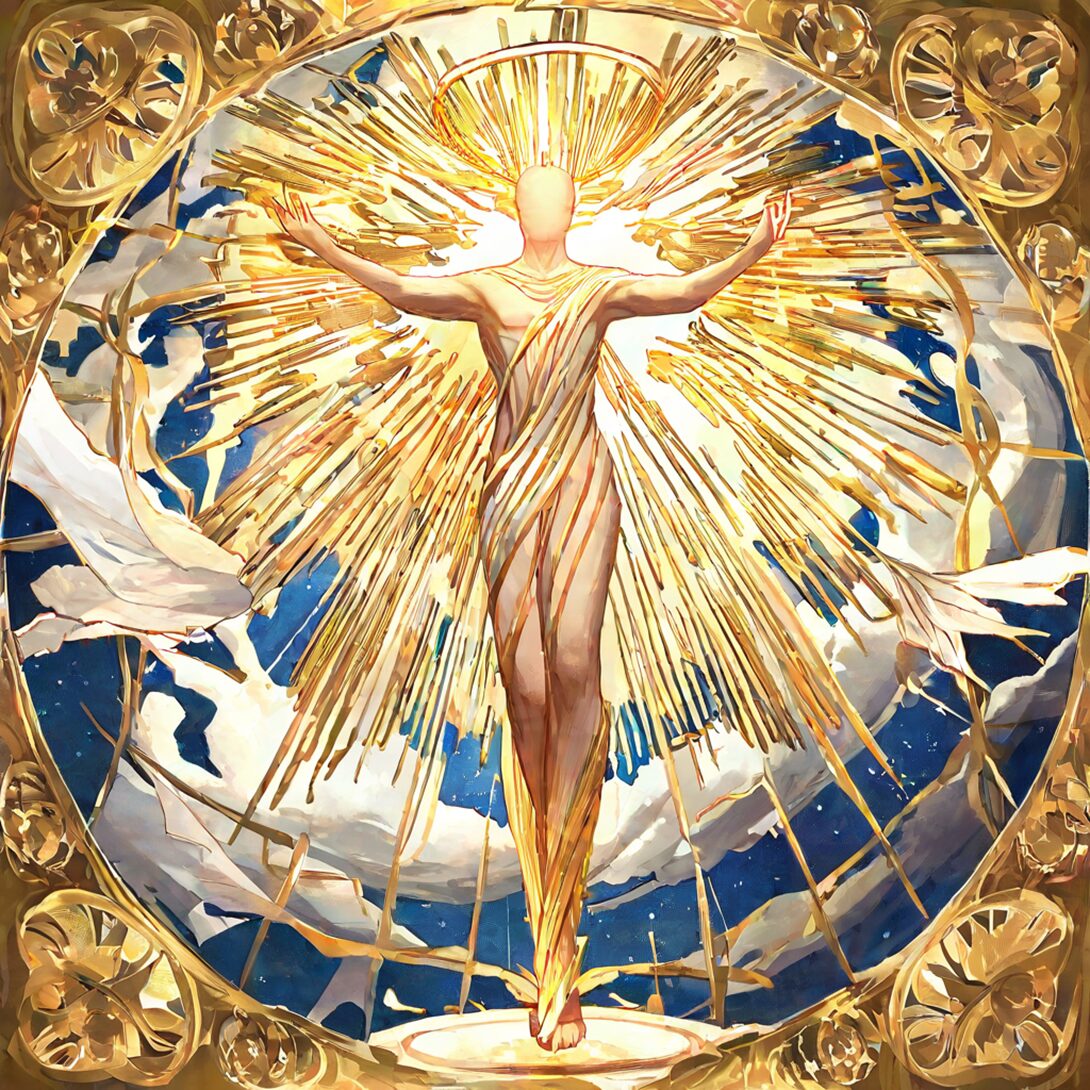
The TOP 100 above cuts across every mythology, religion and legend at once, but I have also put together separate rankings that re-order the characters within a single mythology.
If you want to see where the gods and monsters of your favourite mythology sit against each other, rather than against the whole world, the list below is the place to start.

Summary
How did you find it? This article only covers a portion of the book’s content, so if you want to know more, please check out the book itself.
In addition to introducing the book, I am also considering featuring some of the individual characters on this blog going forward, so feel free to check back if you are interested.
Most people have a vague sense of which characters from mythology, religion, and legend are strong or weak, but having them laid out in a ranking like this makes it easy to see the hierarchy of power at a glance — a useful reference going forward.
Of course, I don’t consider this ranking to be absolute, and there is certainly room to revisit it in the future, but I hope it can at least serve as a useful starting point for discussion.
I originally wanted to create a ranking for weapons as well, but the power of a weapon is so heavily influenced by its wielder that establishing clear strength criteria turned out to be extremely difficult.
In any case, if you want to know the true power of the gods, monsters, and heroes from mythology and religion as depicted in their original sources, give the book a try!
Oh, and by the way — if you are already subscribed to Kindle Unlimited, you can read it for free, so I highly recommend it!
Also popular with readers
📚 Series: Mythology Power Ranking TOP100 (Overview) (1/7)