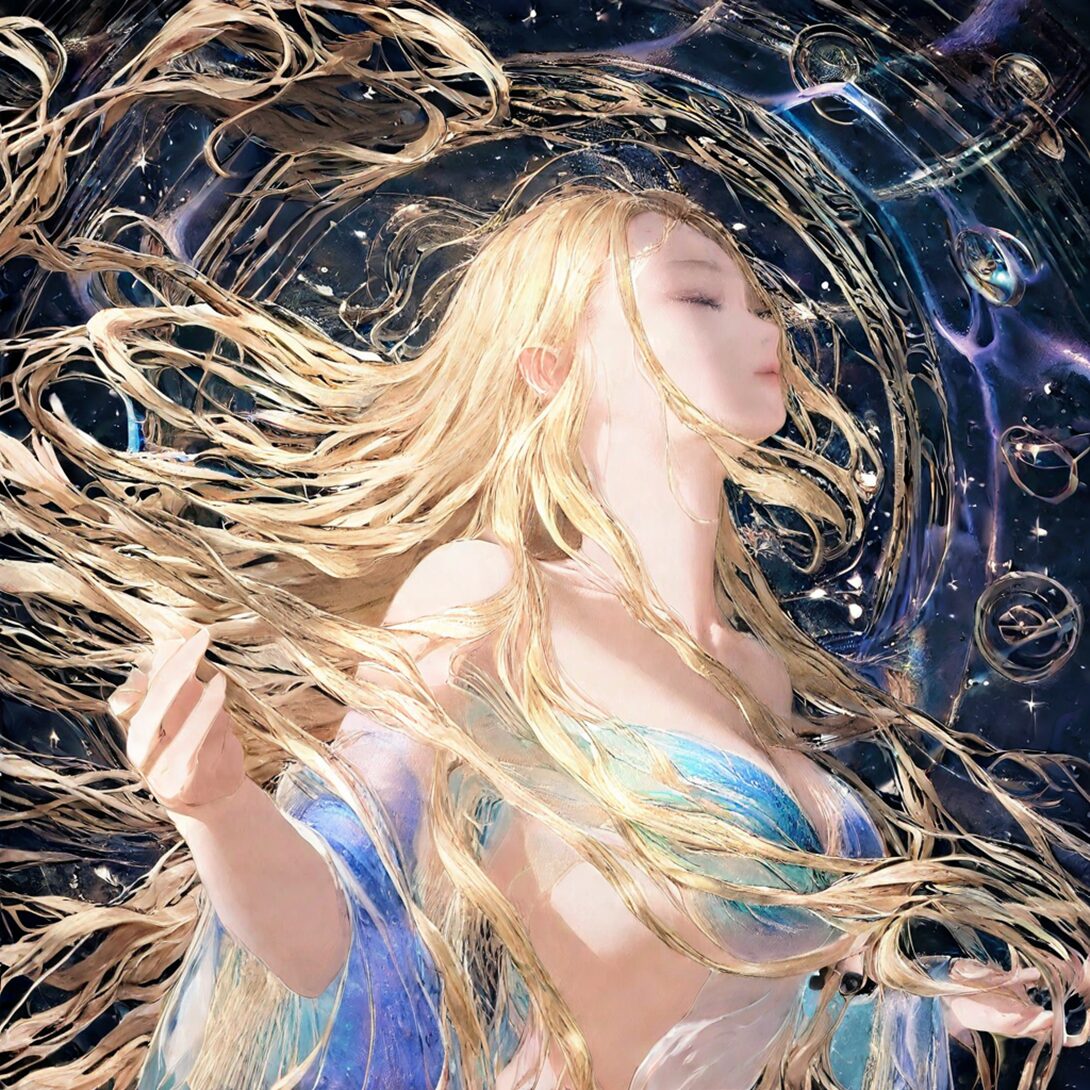
The Debate Over the Strongest in Indian Mythology
The world is home to a vast array of mythologies, religions, and legends, but Indian mythology stands out in particular for its enormous sense of scale, and it always comes up whenever the topic of “who is the strongest” is discussed.
I previously created an overall power ranking covering all mythologies, religions, and legends, and many gods from Indian mythology made the list.
Building on that earlier ranking, I have now created a separate ranking focused exclusively on Indian mythology.
Keep in mind that this ranking reflects my own subjective judgment and is not definitively correct — and no one could ever create a ranking that is absolutely correct, so it is only natural that many different opinions exist.
I encourage you to come up with your own ranking, and I would love for you to share your results with me as well!
What Is Indian Mythology?
Before presenting the Indian mythology power ranking, I would like to briefly explain what is actually meant by “Indian mythology.”
Indian mythology changed gradually over time, and as a result, the power of the gods depicted in the earlier texts differs greatly from that in the later texts — a characteristic often referred to as the “power creep” unique to Indian mythology.
The progression of Indian mythology can be broadly divided into three periods:
Vedic Mythology (c. 1500 BCE – 500 BCE): Stories featuring the gods of the Rigveda — Indra, Agni, Varuna, and others. The foundational mythology of Brahmanism, the predecessor to Hinduism.
Epic Mythology (c. 500 BCE – 500 CE): The period during which many landmark Indian mythological texts were produced, including the Mahabharata and the Ramayana. Deified heroes such as Krishna and Rama appear, and the tradition transitions into Hinduism (Hindu mythology).
Puranic Mythology (c. 300 CE – 1000 CE): An era of vast expansion in stories about Shiva, Vishnu, Devi (goddesses), and others, directly tied to the modern Hindu worldview.
Through this progression, the standing of individual gods also shifted — Indra, who was celebrated as the supreme god in the Vedic period, came to be treated as clearly inferior to Shiva and Vishnu by the time of the Puranic texts.
On top of that, even within modern Indian mythology (Hinduism), there are different sects such as Vaishnavism, Shaivism, Shaktism, and Smartism, each of which treats the supreme god differently — an exceptional situation.
For that reason, creating an Indian mythology power ranking requires consideration of which time period the mythology is based on and which sectarian perspective is adopted, making it impossible from the outset to produce a ranking that satisfies everyone.
This ranking takes all of those factors into account, but is ultimately based on the mythology up through its latest period and decided according to my own personal judgment and bias — please understand that in advance.
Power Ranking (Indian Mythology)
Let’s now announce the ranking from the lowest position upward. The ranking focuses primarily on beings who have scenes in the mythology that clearly demonstrate their power.
Well-known figures such as Agni, Ganesha, and Skanda are presumably quite powerful, but because their strength is difficult to measure from mythological depictions alone, they have been excluded from the ranking.
Additionally, beings such as Vishnu’s avatars (Rama, Krishna, etc.) who appear as individual characters in the mythology but are considered the same entity in principle are treated as part of the original being (avatars are not listed separately in the ranking).
Note also that Indian mythology contains many lesser-known but powerful beings (such as Raktabija), and ranking all of them would be impractical — so this ranking centers on the well-known figures. Please keep that in mind.
Rank 14: Bhima (Overall Ranking: #75)
Bhima is a hero sometimes called the Heracles of Indian mythology, said to possess “the strength of ten thousand elephants.” His physical power and resistance to poison and similar threats are frequently depicted as far surpassing those of ordinary gods — clearly a being who has transcended the human realm.
For details, please refer to the following article.
Rank 13: Karna (Overall Ranking: #65)
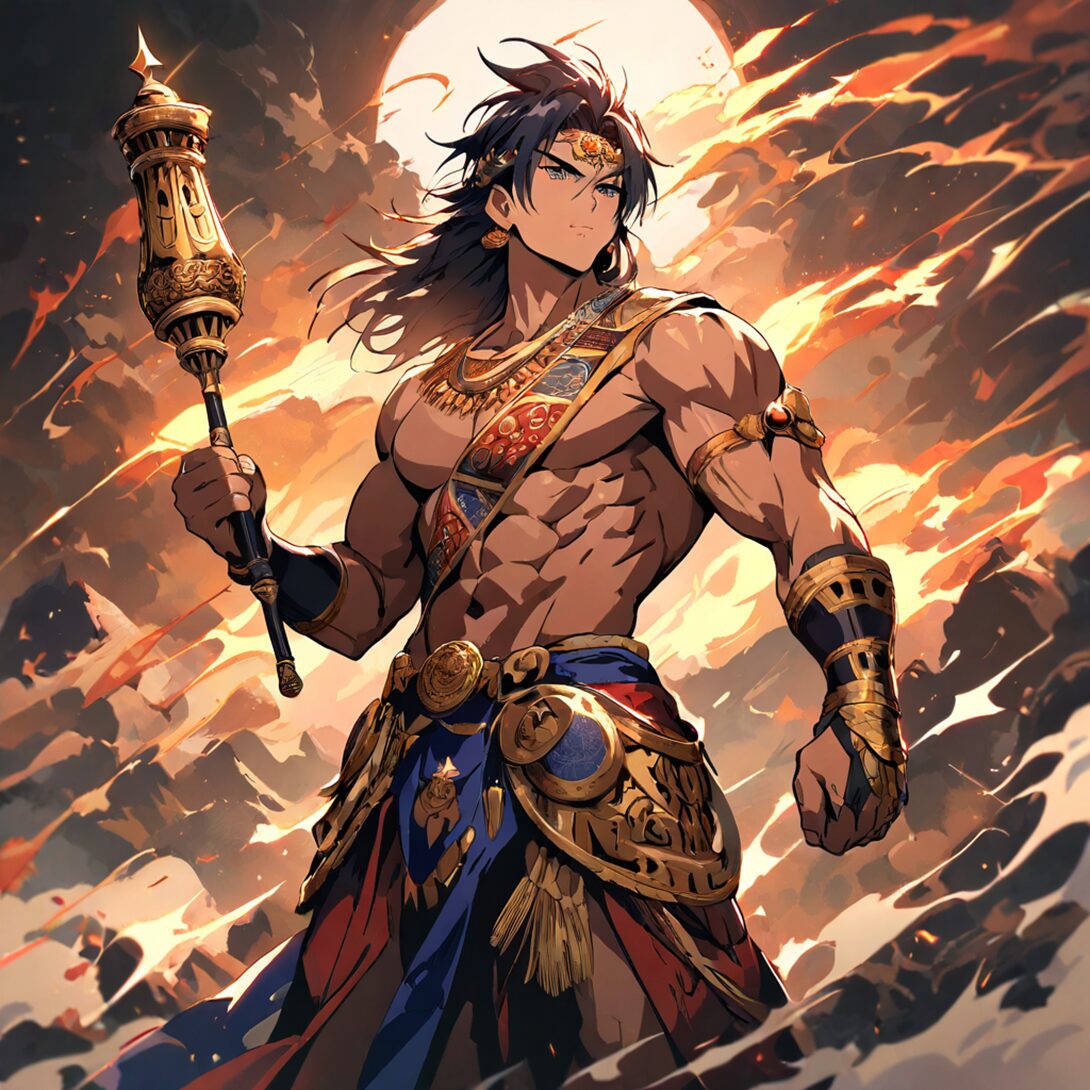
Karna is a great demi-god hero, the son of the sun god Surya and a human mother, born already equipped with armor that granted him immortality. He is also capable of wielding the “Indra’s Spear” — said to be able to destroy even gods — making him far more powerful than ordinary deities.
For details, please refer to the following article.
Rank 12: Indra (Overall Ranking: #57)
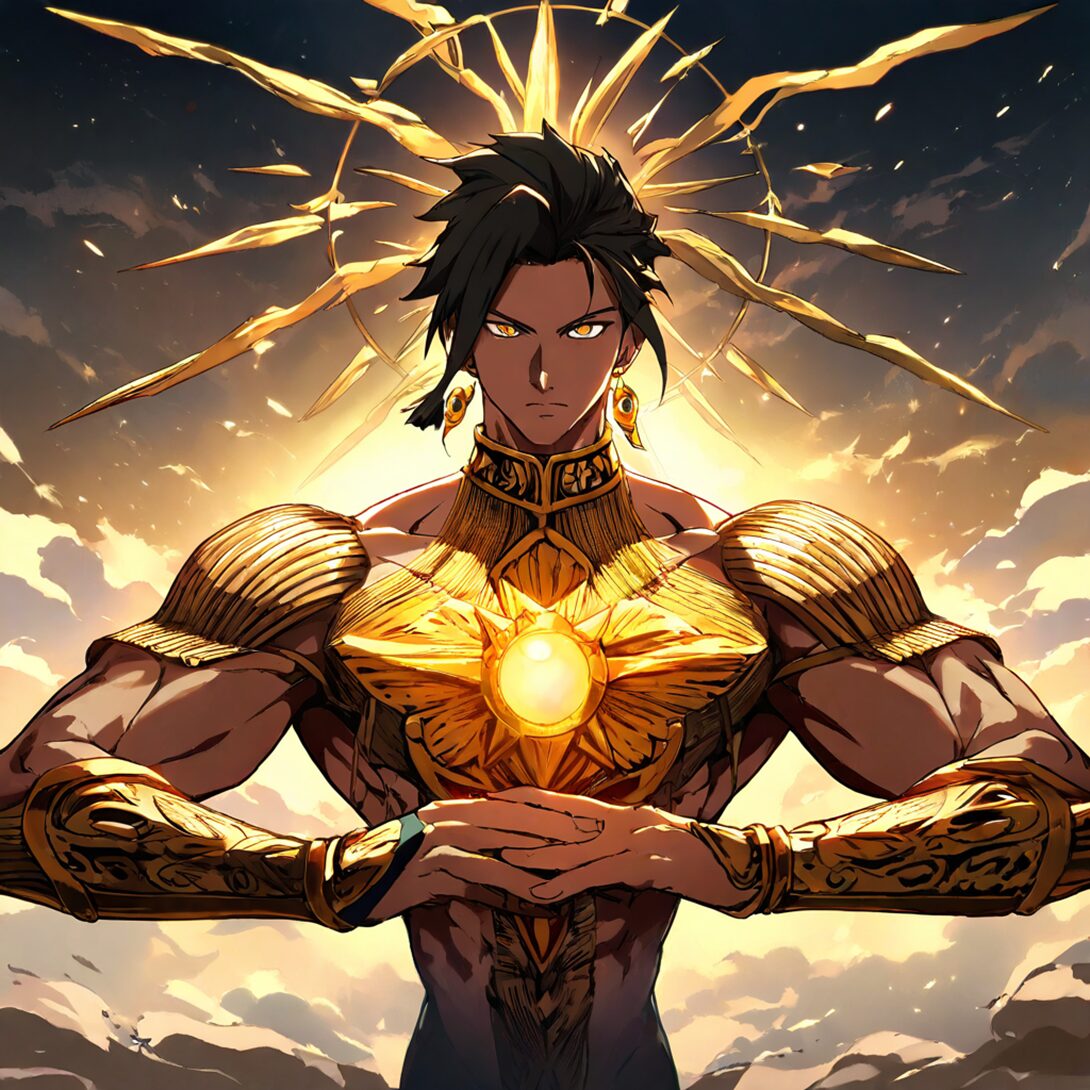
In the Vedic text “Rigveda,” nearly a quarter of the hymns are dedicated to praising Indra — in the earliest period of Indian mythology, he was unquestionably the supreme being.
However, as the ages changed, his standing gradually declined, and he ultimately fell to the pitiable position of being frequently beaten up by enemies and running to Shiva or Vishnu in tears — a truly unfortunate trajectory.
For details, please refer to the following article.
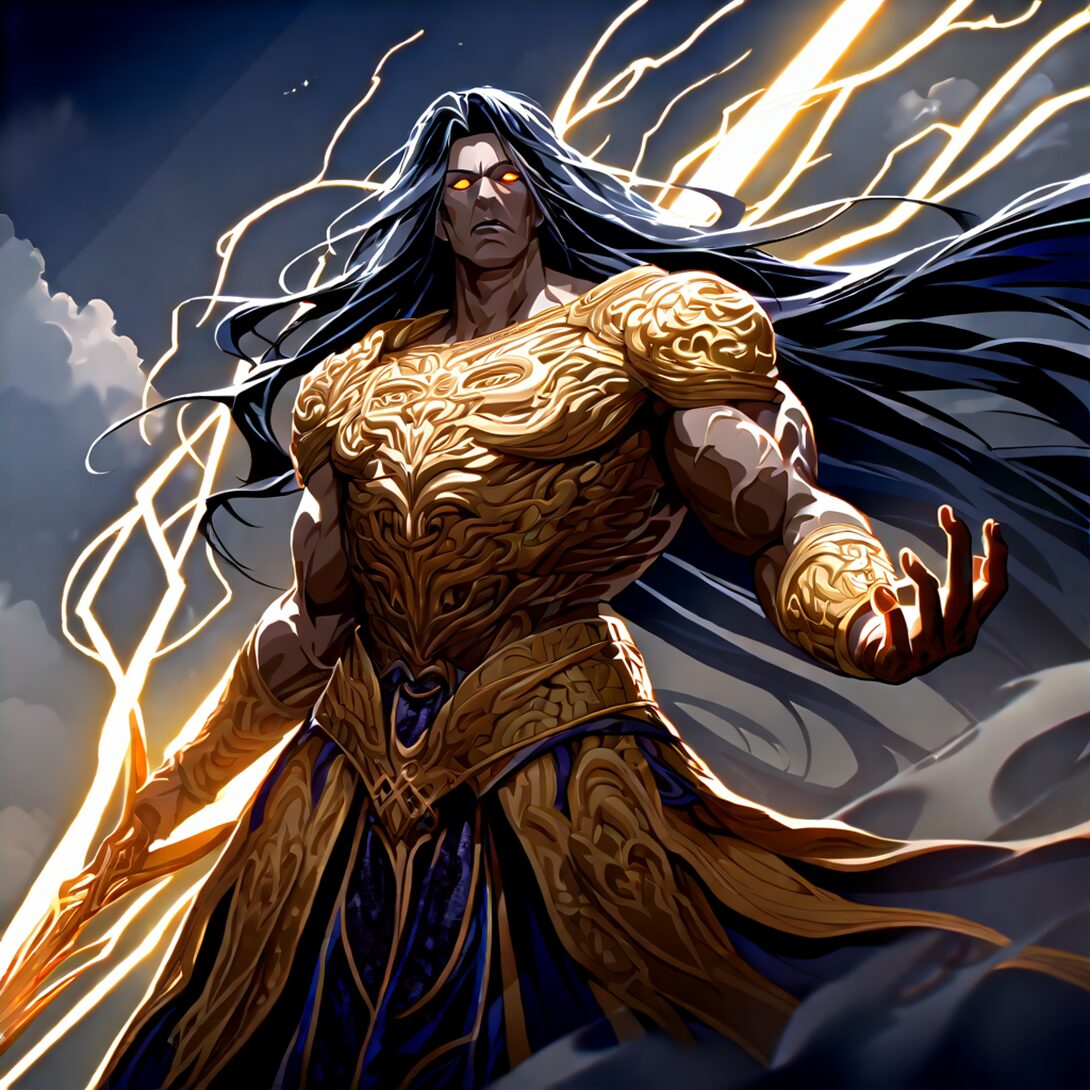
Rank 11: Mahishasura (Overall Ranking: #54)
Mahishasura is an asura with a cheat-level blessing common in Indian mythology: the power to “never be defeated by a male god.” The goddess Durga was created specifically to defeat this Mahishasura, and he remains a figure celebrated in Indian festivals to this day.
For details, please refer to the following article.
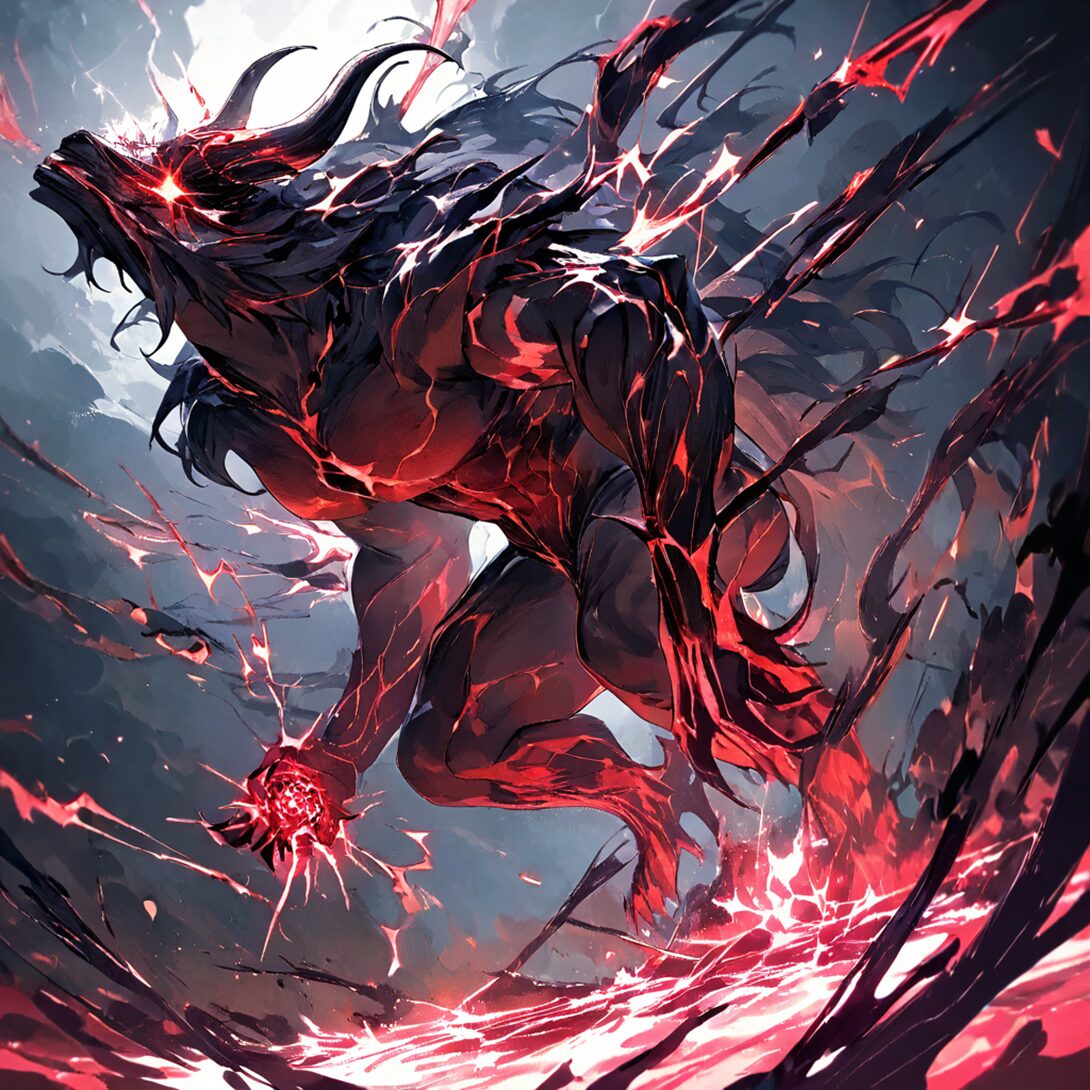
Rank 10: Hanuman (Overall Ranking: #50)
Hanuman is the most powerful Vanara (monkey deity) appearing primarily in the epic “Ramayana,” and is said to be the model for Sun Wukong from “Journey to the West.”
After dying once and receiving powerful blessings from numerous gods — like an isekai protagonist reborn with gifts — he goes on to serve as a loyal retainer to Prince Rama in the mythology.
For details, please refer to the following article.
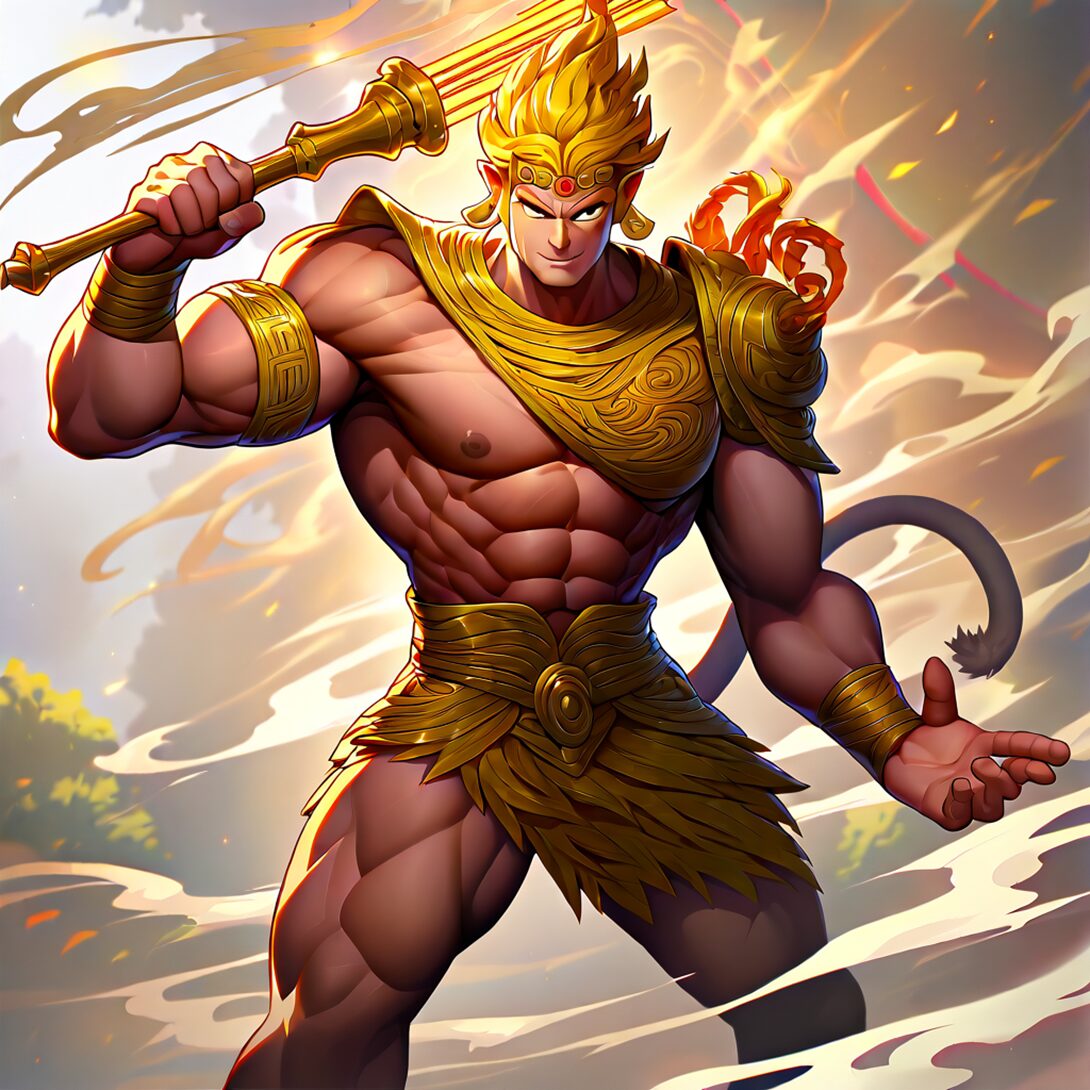
Rank 9: Meghanada (Indrajit) (Overall Ranking: #46)
Meghanada is the son of the demon king Ravana, appearing in the Indian epic “Ramayana.” After defeating Indra, the thunder god and supreme deity of the heavens, he earned the epithet “Indrajit” — meaning “one who has conquered Indra.”
For details, please refer to the following article.
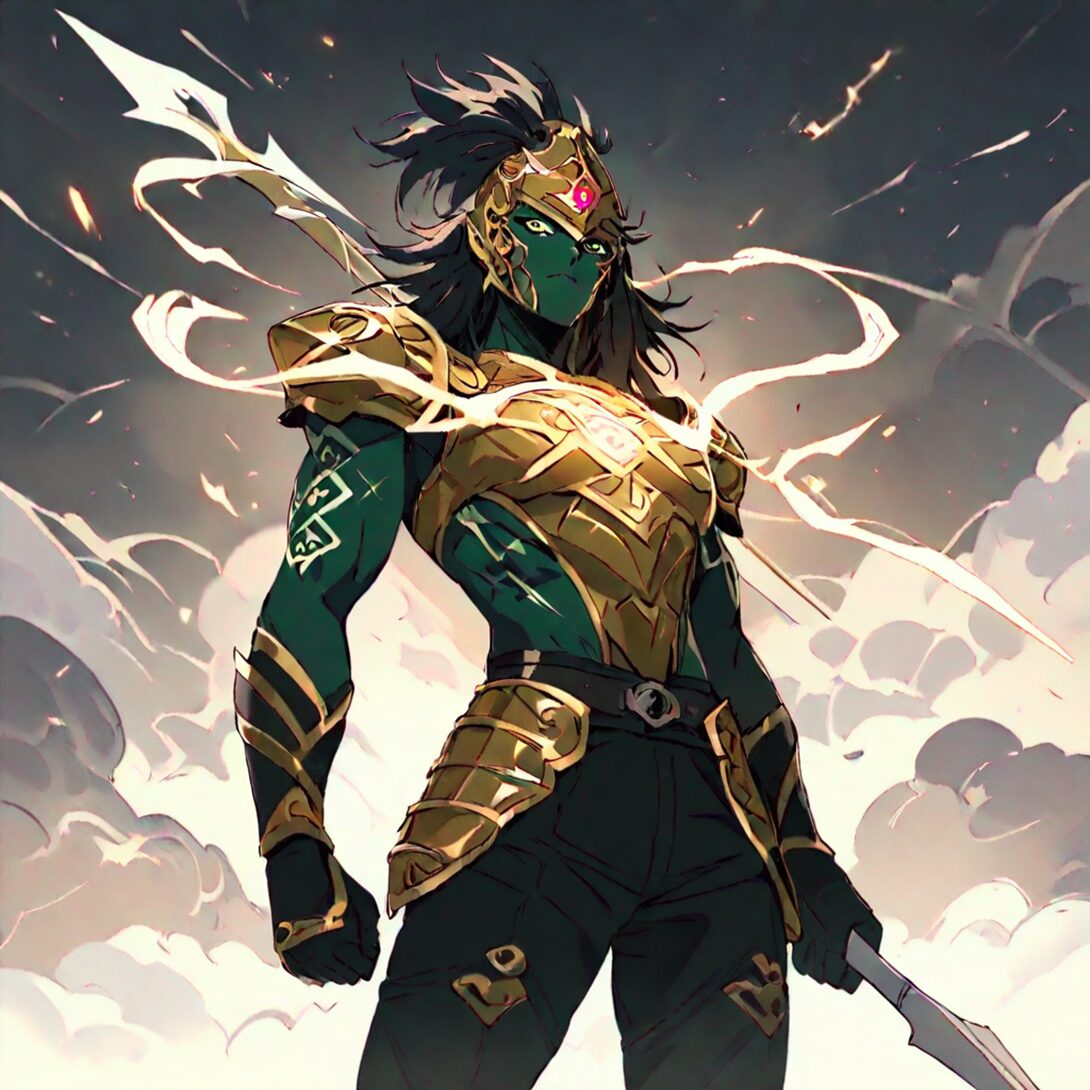
Rank 8: Ravana (Overall Ranking: #45)
Ravana is the great demon king appearing in the Indian epic “Ramayana,” the most powerful Rakshasa king who ruled the southern island kingdom of Lanka (modern-day Sri Lanka).
Ravana is one of the asuras with a cheat-level blessing commonly seen in Indian mythology, possessing the powerful ability to “never be defeated by the gods.”
For details, please refer to the following article.
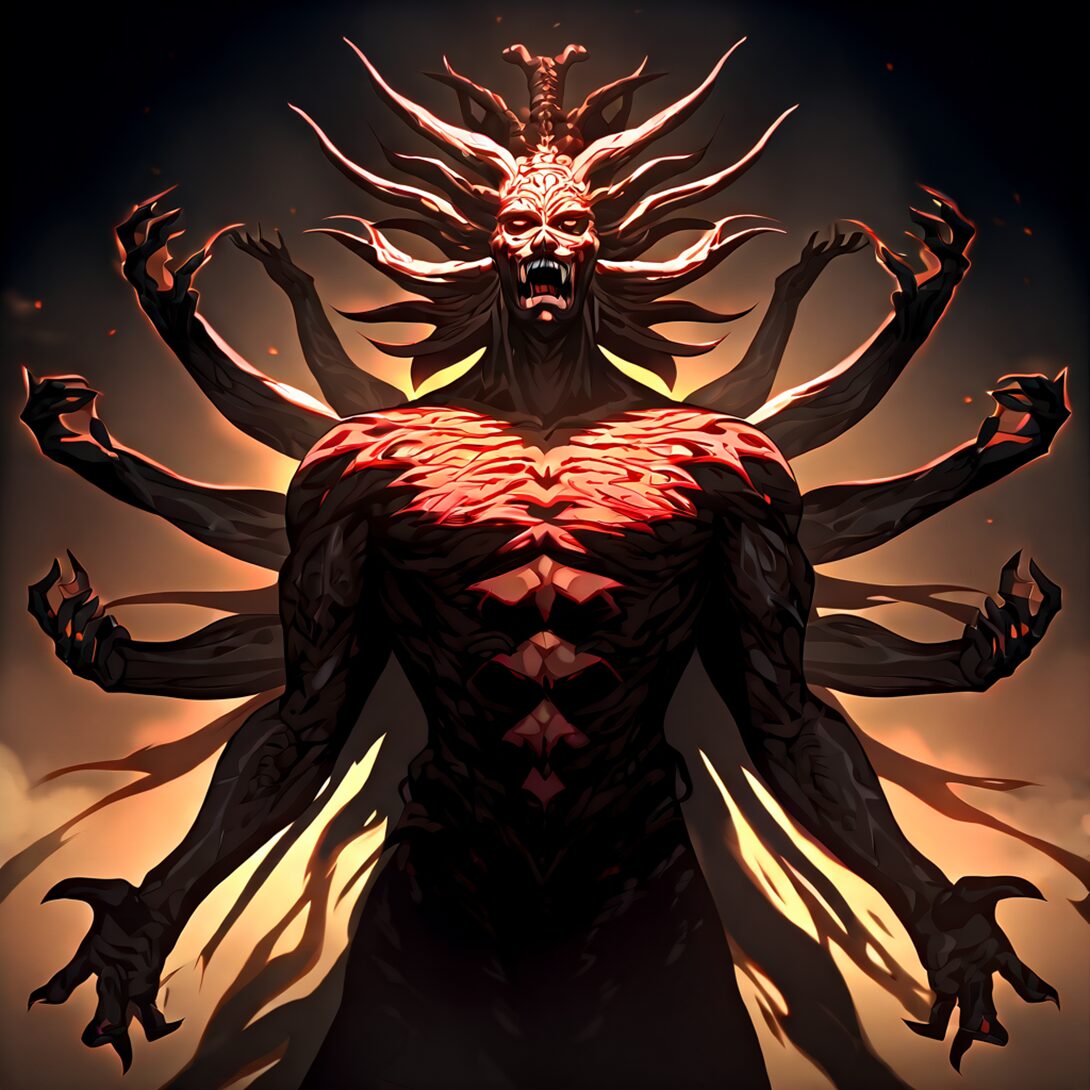
Rank 7: Arjuna (Overall Ranking: #40)
Despite being a demi-god, Arjuna can wield numerous divine weapons (“Astra”) belonging to various gods, and has even repelled the thunder god Indra — clearly a being who transcends the human domain.
Normally, a demi-god would never rank this high, but Arjuna is an extraordinary being capable of wielding both the “Brahmashirastra” and the “Pashupatastra,” which is why he receives such a high evaluation.
For details, please refer to the following article.
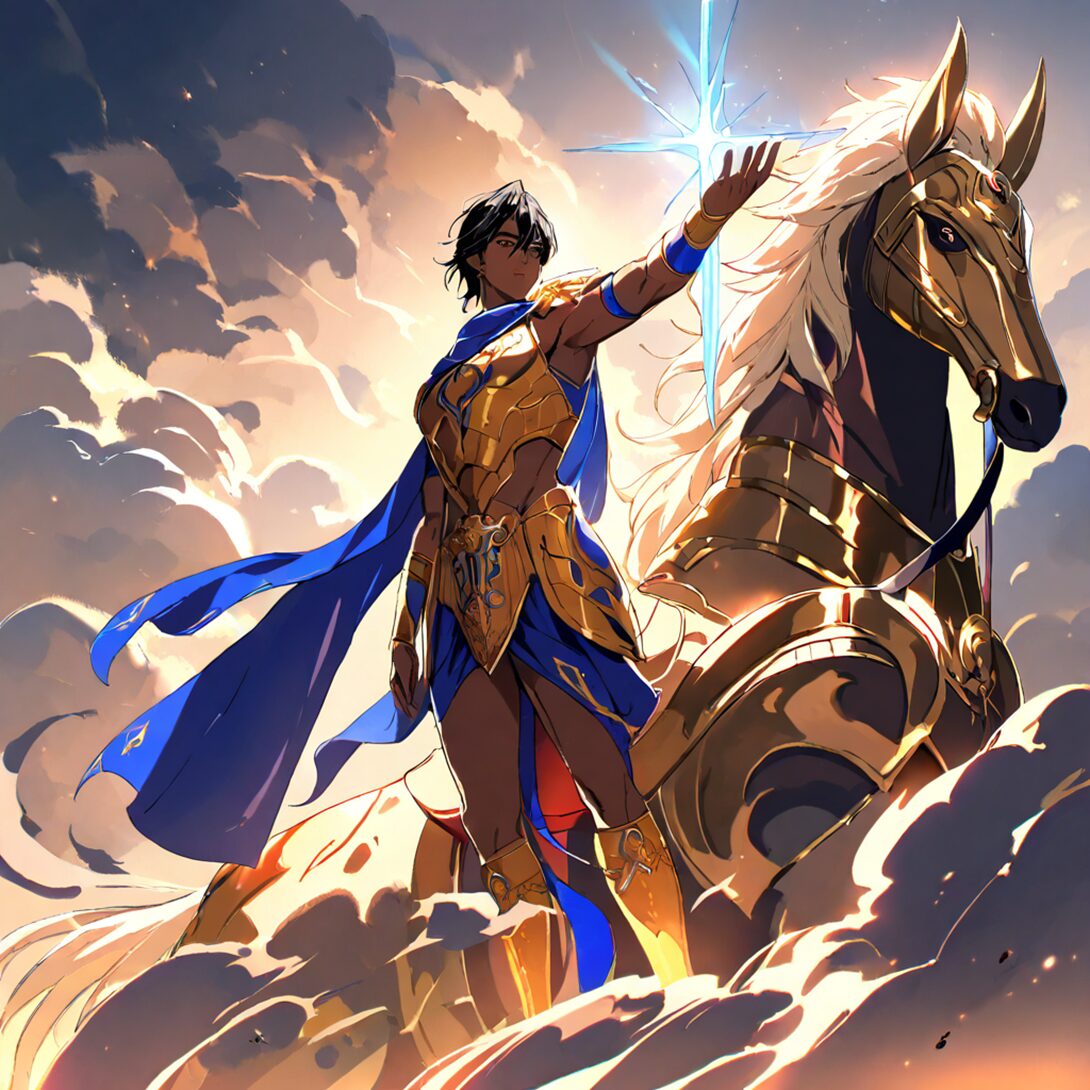
Rank 6: Hiranyakashipu (Overall Ranking: #38)
Hiranyakashipu possesses what could fairly be called the “ultimate cheat” blessing in Indian mythology: a body that “cannot be killed by a god, an asura, a human, or a beast; during the day or at night; inside or outside a building; on the ground or in the air; by any weapon whatsoever.”
By any ordinary logic this being simply cannot be defeated, and a protection this thoroughly invincible is found nowhere else — even in Indian mythology with its notorious power creep.
For details, please refer to the following article.
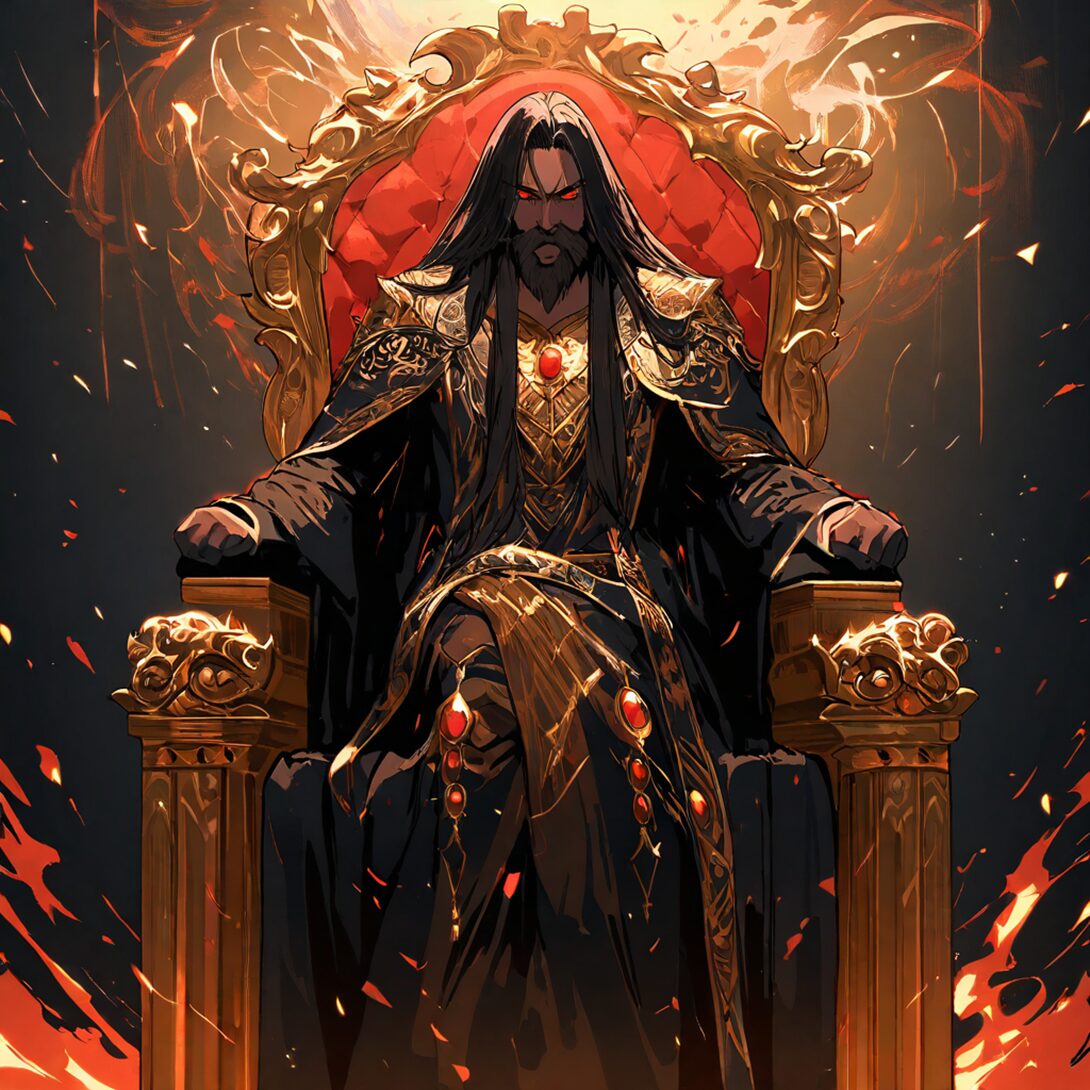
Rank 5: Parvati & Durga & Kali (Overall Ranking: #20)
Parvati, Durga, and Kali are often considered the same deity, and are treated as one entry in this ranking — though more than 90% of the reason for this placement comes down to Kali alone.
Kali possesses power comparable to Shiva’s — described as being able to “destroy the world simply by dancing” — and is treated with special reverence even within Shaktism, one of the major sects of Hinduism.
For details, please refer to the following article.
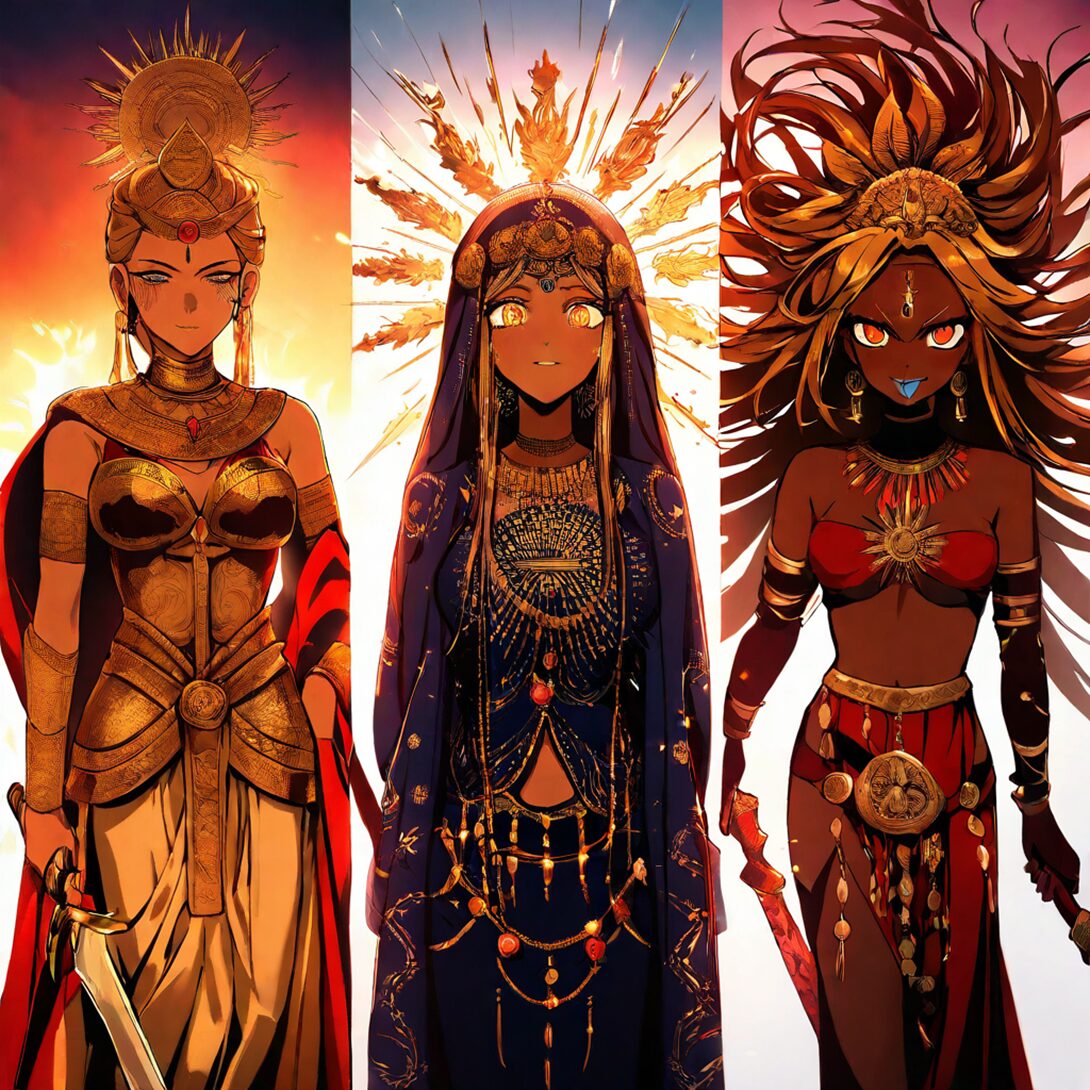
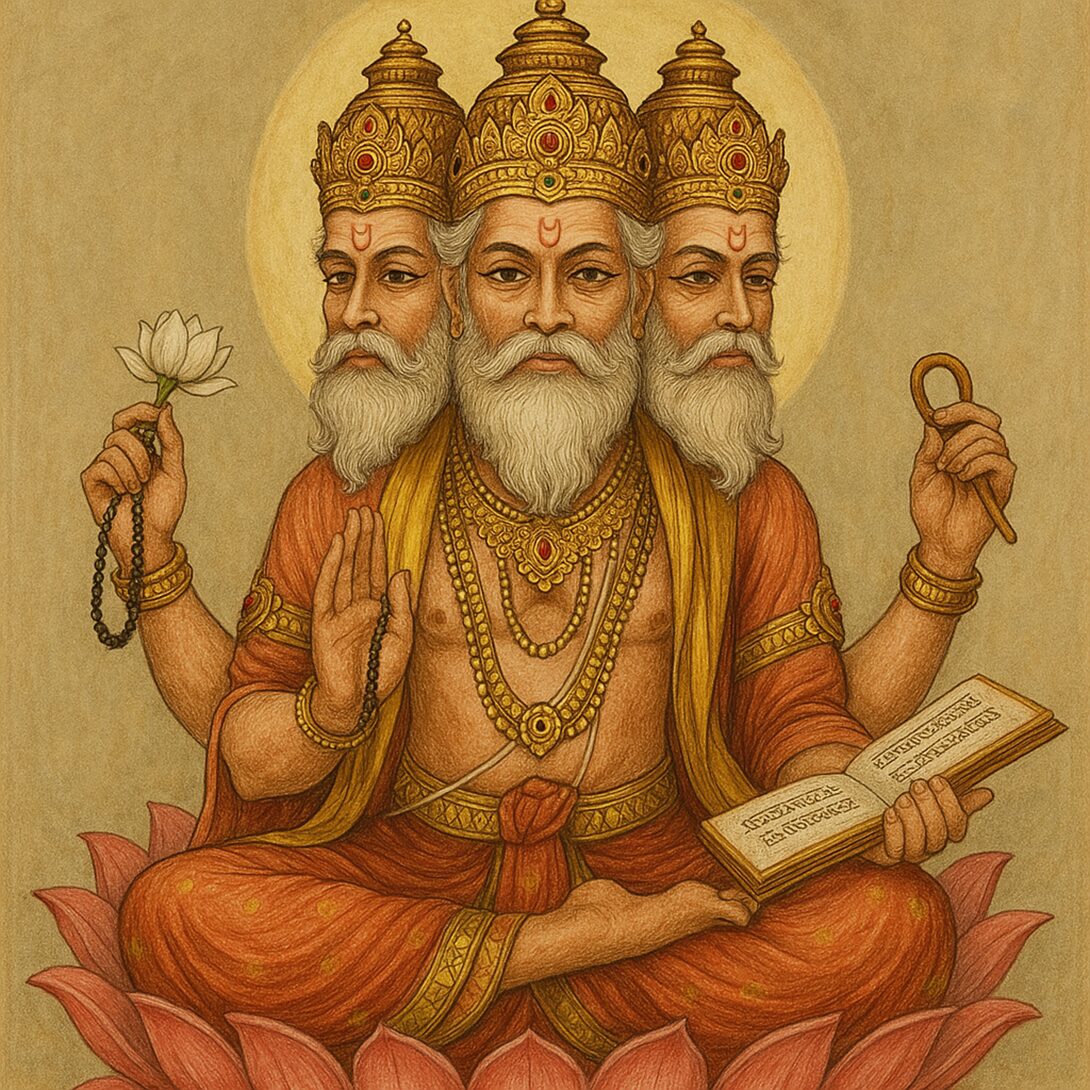
Rank 4: Brahma (Overall Ranking: #10)
Brahma is the creator god of Indian mythology, known alongside Vishnu and Shiva as one of the Trimurti — the Hindu trinity.
His treatment within the myths themselves is not particularly favorable, but in terms of his established power and divine status, he is undeniably second only to Vishnu and Shiva, with specifications that dwarf those of other gods.
For details, please refer to the following article.
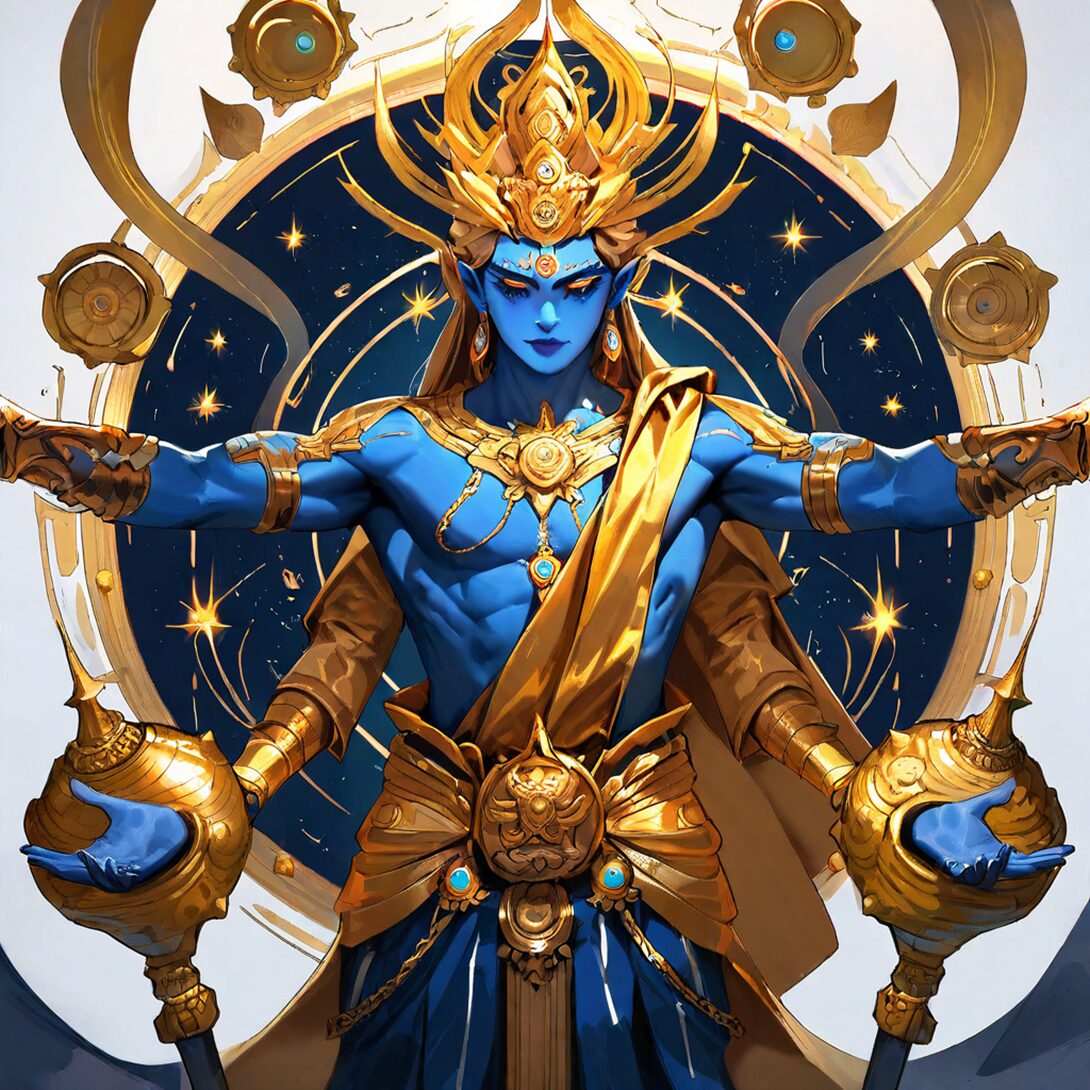
Rank 3: Vishnu (Overall Ranking: #6)
Vishnu is the preserver god of Indian mythology and Hinduism, known alongside Brahma (the creator) and Shiva (the destroyer) as one of the Trimurti.
He frequently manifests through powerful avatars such as Krishna and Rama, but within the mythology he is treated as an entity of equal power to Shiva.
For details, please refer to the following article.
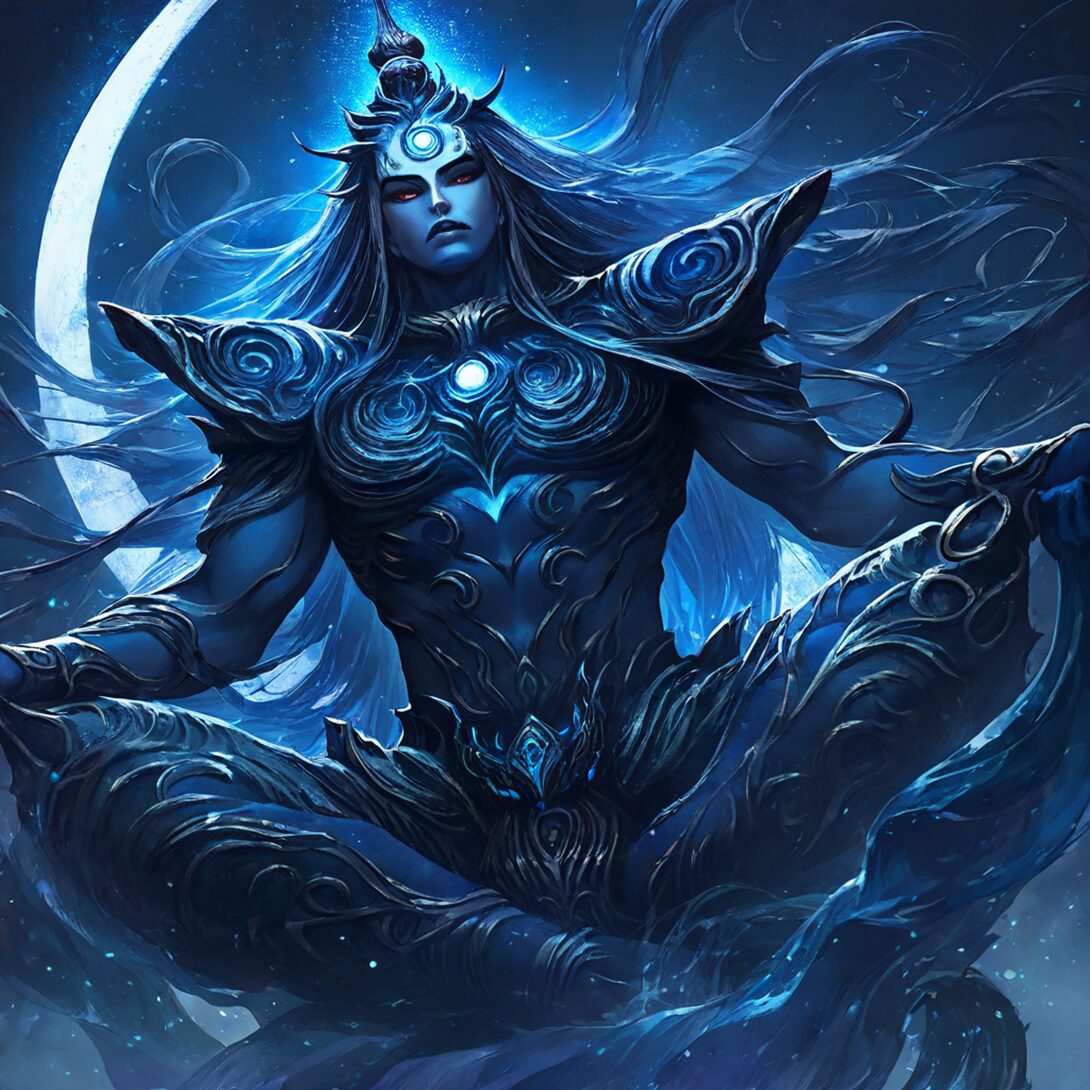
Rank 2: Shiva (Overall Ranking: #5)
Shiva is the most famous and important member of the Trimurti in Indian mythology and Hinduism.
Shiva is the most powerful destroyer god in Indian mythology, said to be capable of destroying the universe simply by dancing — a level of power that stands apart even within Indian mythology, which is already known for its enormous scale.
For details, please refer to the following article.
Rank 1: Para Brahman (Overall Ranking: #2)
As mentioned at the outset, Hinduism has many sects, but a concept shared across nearly all of them is “Para Brahman” — the highest-dimensional ultimate being, regarded as the source (singular truth) from which all gods originate.
In other words, even the gods of extraordinary power such as Vishnu and Shiva are merely aspects that have emerged from Para Brahman.
There is further sectarian division over whether Para Brahman possesses a personal form or not, but among the sects that believe it does, those who consider Adi Parashakti (also known as Mahadevi) to be Para Brahman are known as the Shaktas.
For details, please refer to the following article.
Summary
This ranking was created by focusing exclusively on Indian mythology within the larger overall ranking that covered all mythologies, religions, and legends.
Indian mythology has an overwhelmingly large sense of scale, and the sheer number of gods who appear means that even beyond those featured in this ranking, there are many extremely powerful beings.
Evaluating all of them in full would have been quite the undertaking, so I plan to expand the ranking over time as opportunities arise.
In particular, powerful beings such as Garuda and Raktabija should be on par with Indra, so they would almost certainly appear in a more comprehensive ranking.
Going forward, I intend to create similar individual rankings for other mythologies and religions as well, so feel free to check back if you are interested.
Other Rankings
Purchase the Book Here

Other Popular Articles

How Independent Game Developers (Indie Devs) Can Sell on Steam - Senko’s Activity Log
Also popular with readers
📚 Series: Power Rankings by Mythology (4/7)