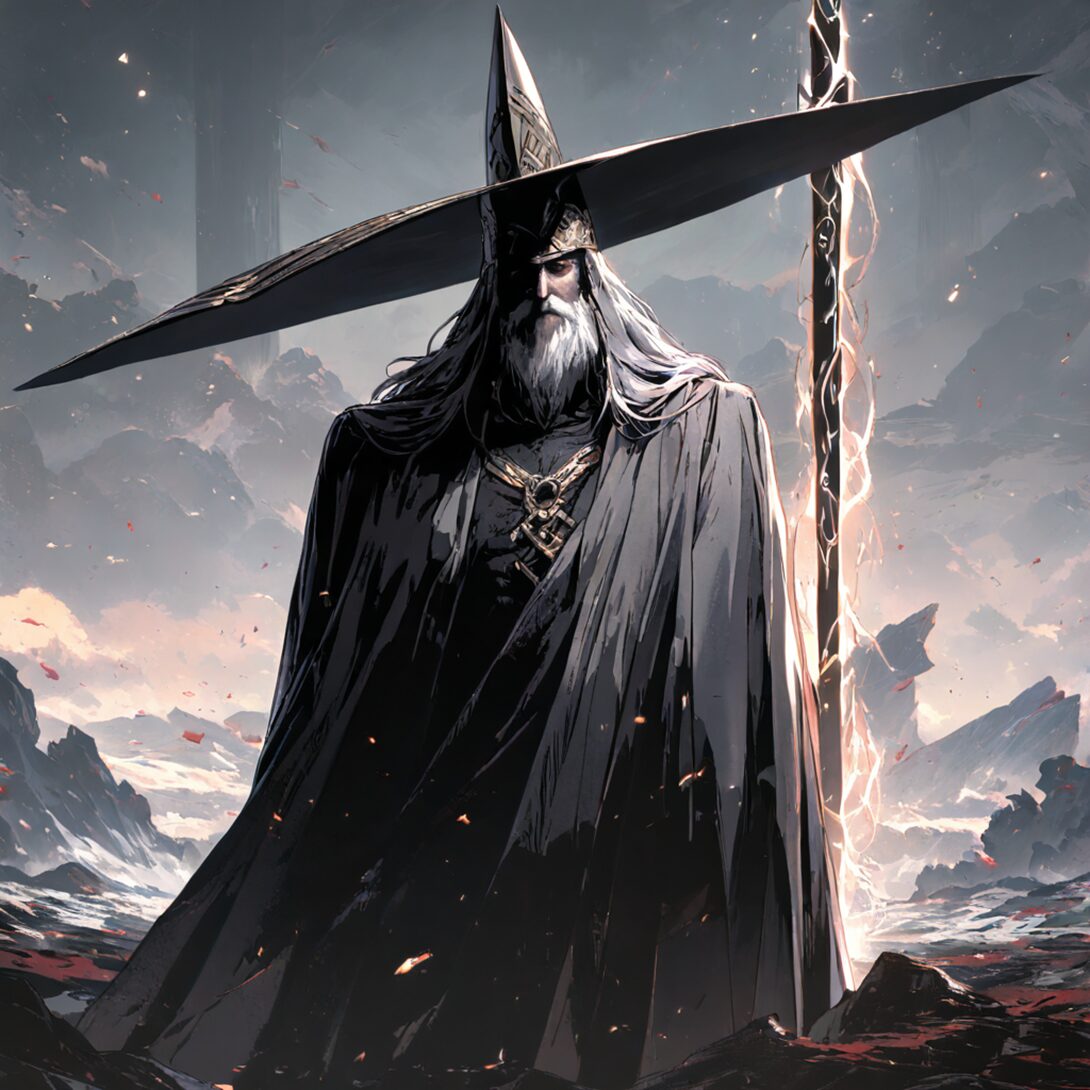
The Debate Over the Strongest in Norse Mythology
The world is home to a vast array of mythologies, religions, and legends, but Norse mythology is one of the best-known in Japan alongside Greek mythology.
I previously created an overall power ranking covering all mythologies, religions, and legends, and many gods and creatures from Norse mythology made the list.
Building on that earlier ranking, I have now created a separate ranking focused exclusively on Norse mythology.
Keep in mind that this ranking reflects my own subjective judgment and is not definitively correct — and no one could ever create a ranking that is absolutely correct, so it is only natural that many different opinions exist.
I encourage you to come up with your own ranking, and I would love for you to share your results with me as well!
What Is Norse Mythology?
As the name suggests, Norse mythology refers to the collection of myths believed across the Nordic regions (Norway, Sweden, Denmark, and Iceland) before Christianity spread to those areas. It is often categorized as a branch of Germanic mythology and is also frequently called “Scandinavian mythology.”
Norse mythology was traditionally passed down orally as regional folklore for many centuries, but in the 13th century it was compiled by Snorri Sturluson into a work called the Edda.
Many earlier traditions were lost before this text was written, and today Snorri’s Edda — known as the “Prose Edda” or “Snorra Edda” — is treated as the primary source for Norse mythology.
The Prose Edda is a trilogy consisting of “Gylfaginning,” “Skáldskaparmál,” and “Háttatal.” Of these, the content of “Gylfaginning” is what most people in Japan recognize as Norse mythology.
“Gylfaginning” tells the story of Gylfi — traditionally regarded as the oldest king of Sweden — who visits the hall of Valhalla and is told the story of the universe from the creation of the world to Ragnarök (the end of the world) and the subsequent rebirth.
Within this story, the Aesir gods including Odin, the world tree Yggdrasil at the heart of the universe, and the events of Ragnarök are all described — forming the body of what we know as Norse mythology today.
So when Japanese people think of “Norse mythology,” they are essentially referring primarily to “Gylfaginning,” one of the works in the Edda.
Although they are fewer in number, epic poems such as “Beowulf” are often included within the scope of Norse mythology as well, and the beings appearing in those works are also covered in this ranking.
Power Ranking (Norse Mythology)
Let’s now announce the ranking from the lowest position upward. The ranking focuses primarily on beings who have scenes in the mythology that clearly demonstrate their power.
Therefore, even well-known gods and monsters who are difficult to evaluate in terms of strength based on their mythological depictions have been excluded from the ranking.
Also note that Norse mythology contains many lesser-known but powerful beings, and ranking all of them would be impractical — so this ranking centers on the well-known figures. Please keep that in mind.
Rank 12: Sigurd (Overall Ranking: #99)
Sigurd is a hero from Norse mythology, widely known as the dragon-slayer for defeating the dragon Fafnir.
He is often conflated with “Siegfried” from the Germanic epic poem “Nibelungenlied,” but the story of Siegfried bathing in dragon’s blood and becoming invincible is not part of Sigurd’s mythology.
For details, please refer to the following article.
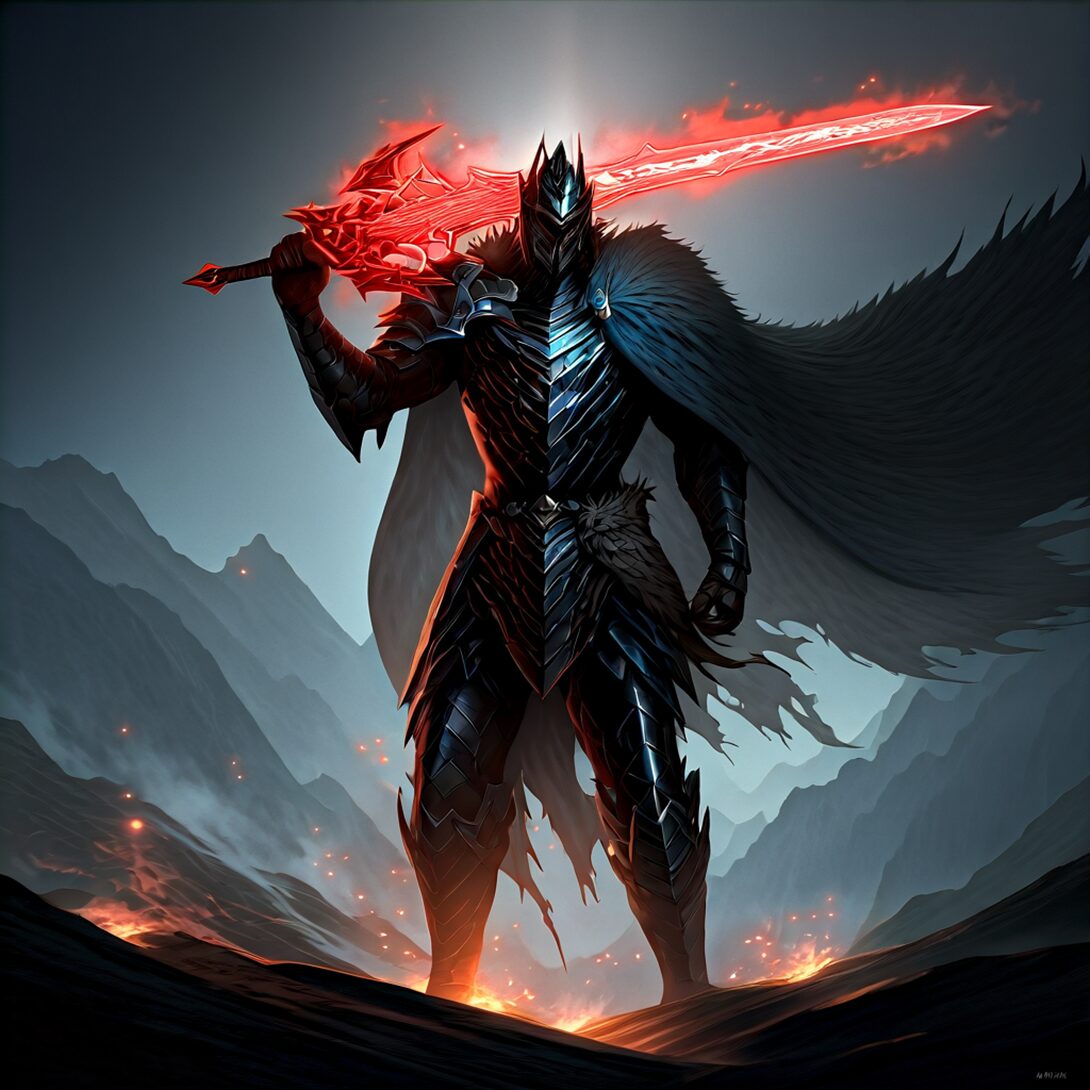
Rank 11: Beowulf (Overall Ranking: #87)
Beowulf is the protagonist of “Beowulf,” one of the oldest epic poems in Old English literature. He is a hero who defeated various monsters including the giant Grendel, Grendel’s mother, and a massive dragon.
Despite being a human hero, he frequently displays extraordinary physical feats — such as tearing off a giant’s arm with his bare hands — and his power approaches that of the gods.
For details, please refer to the following article.
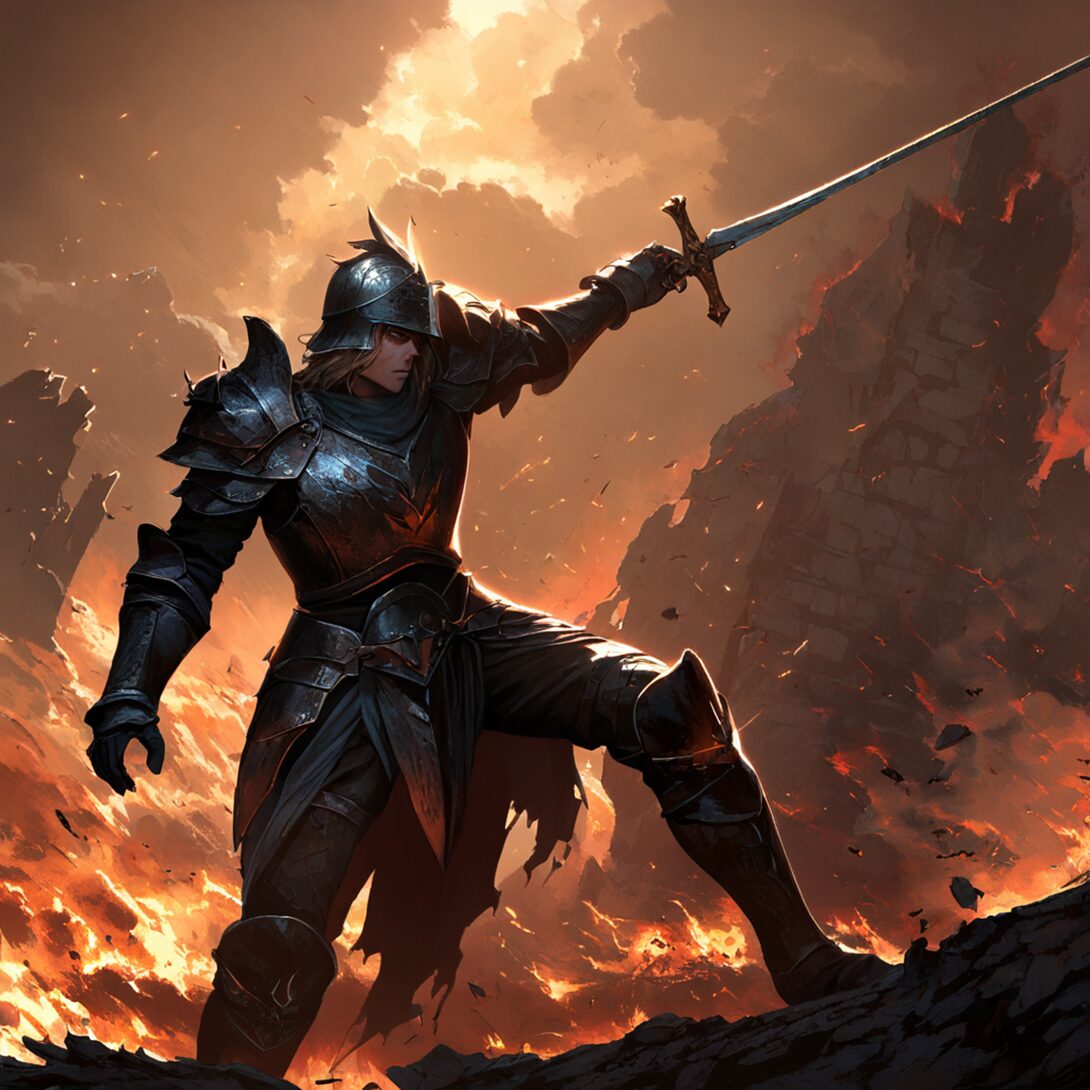
Rank 10: Tyr (Overall Ranking: #80)
Tyr has been overshadowed in modern times by the rise of the chief god Odin and the thunder god Thor, but he was once regarded as the supreme god of Norse mythology, and is also the etymological origin of “Tuesday.”
In the final war of Norse mythology (Ragnarök), Tyr participated as one of the Aesir gods, but is said to have fought the hound of Hel, Garm, and the two killed each other in mutual destruction.
Based on this depiction in Ragnarök, Garm can reasonably be considered equal to Tyr at joint rank 10. For details, please refer to the following article.
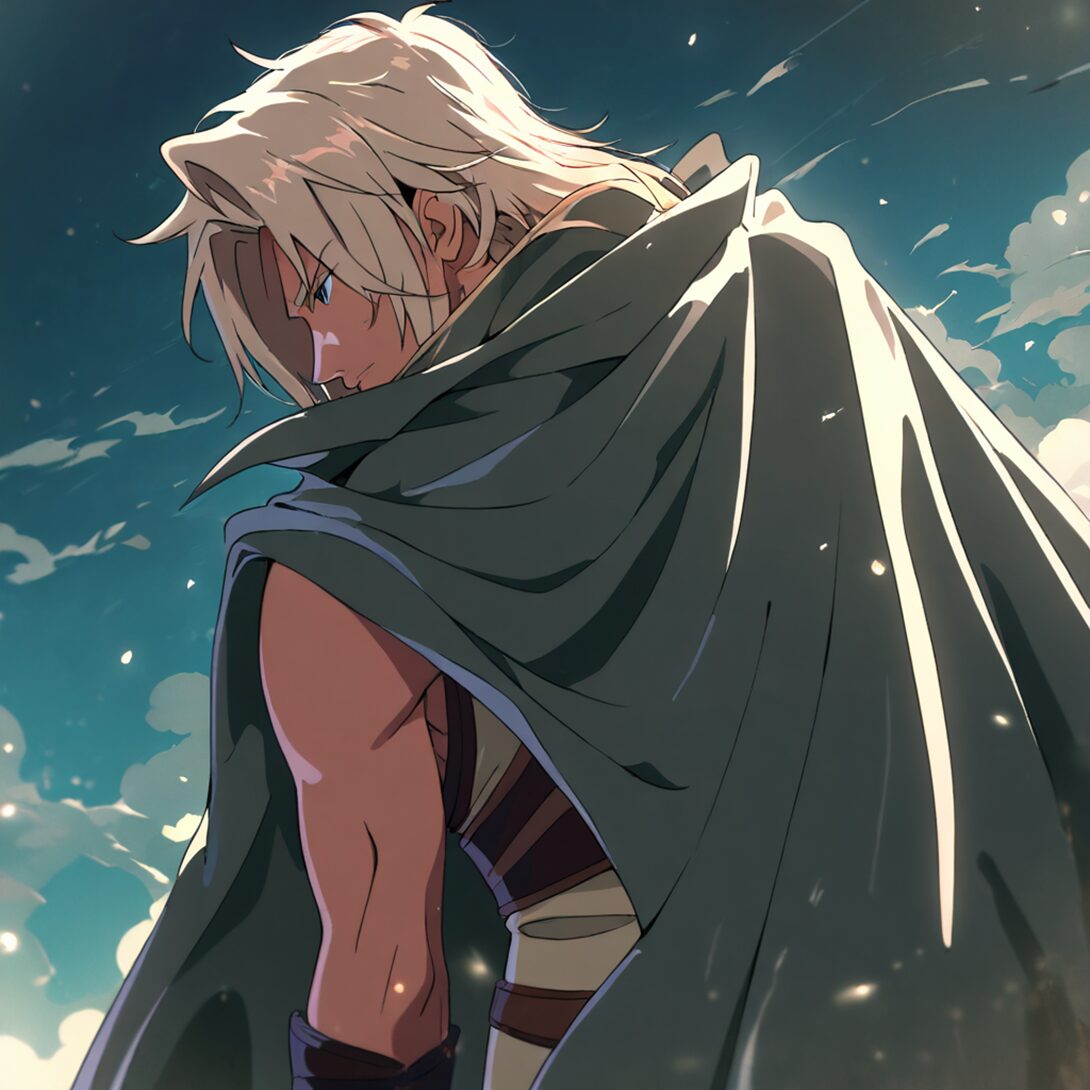
Rank 9: Loki (Overall Ranking: #63)
Loki is the greatest trickster in Norse mythology, and while he is technically classified as a god, he is said to carry strong giant (Jötunn) blood. In Ragnarök, he sided with the giants against the Aesir.
There are almost no episodes that showcase Loki’s own fighting strength, and the only notable combat record is that he fought Heimdall during Ragnarök and they killed each other.
Based on this Ragnarök depiction, Heimdall can also be considered equal to Loki at joint rank 9. For details, please refer to the following article.
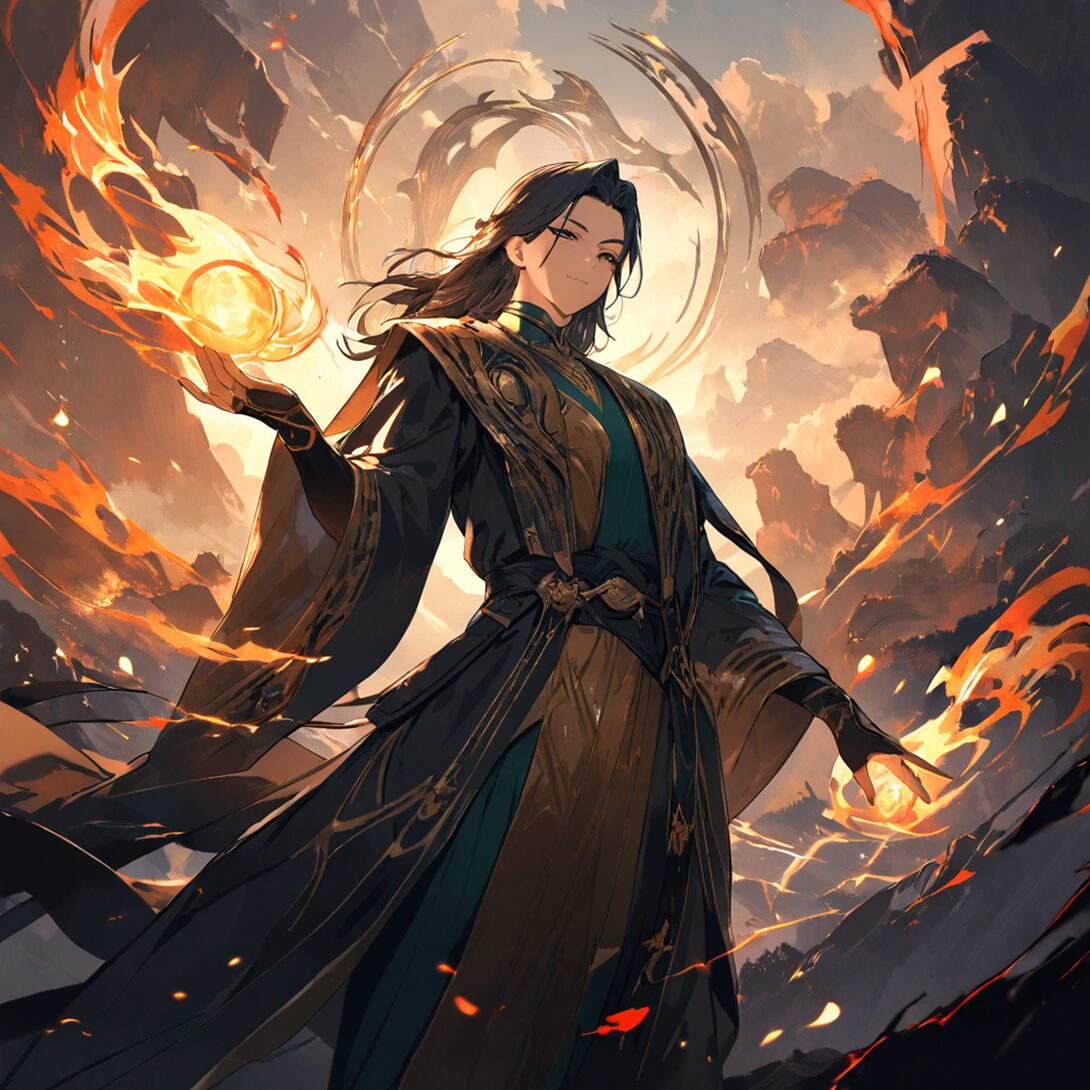
Rank 8: Ymir (Overall Ranking: #62)
Ymir is considered the first life to be born in Norse mythology, and can be regarded as the mother of all life in the Norse world — gods, giants, and every other living creature.
Odin, together with Vili (identified with Hœnir) and Vé (identified with Lóðurr or Loki), is said to have killed Ymir and used his body to create the world.
For details, please refer to the following article.
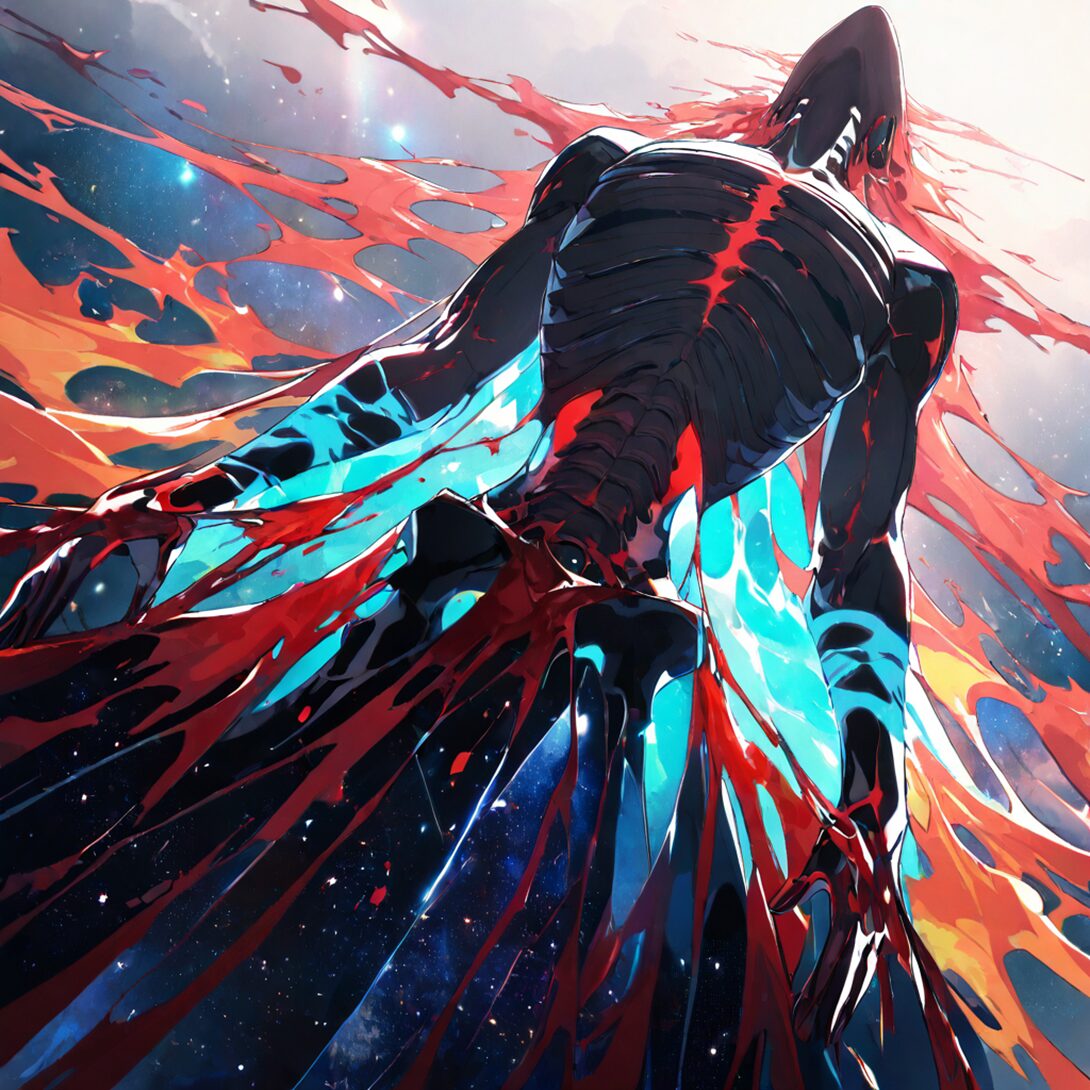
Rank 7: Víðarr (Overall Ranking: #55)
Despite being a son of Odin, Víðarr has an extremely low profile in Norse mythology, with his practical role limited almost entirely to the battle against Fenrir during Ragnarök.
However, in Ragnarök he achieved the remarkable feat of defeating Fenrir — the wolf who had swallowed Odin, the chief god of Norse mythology.
For details, please refer to the following article.
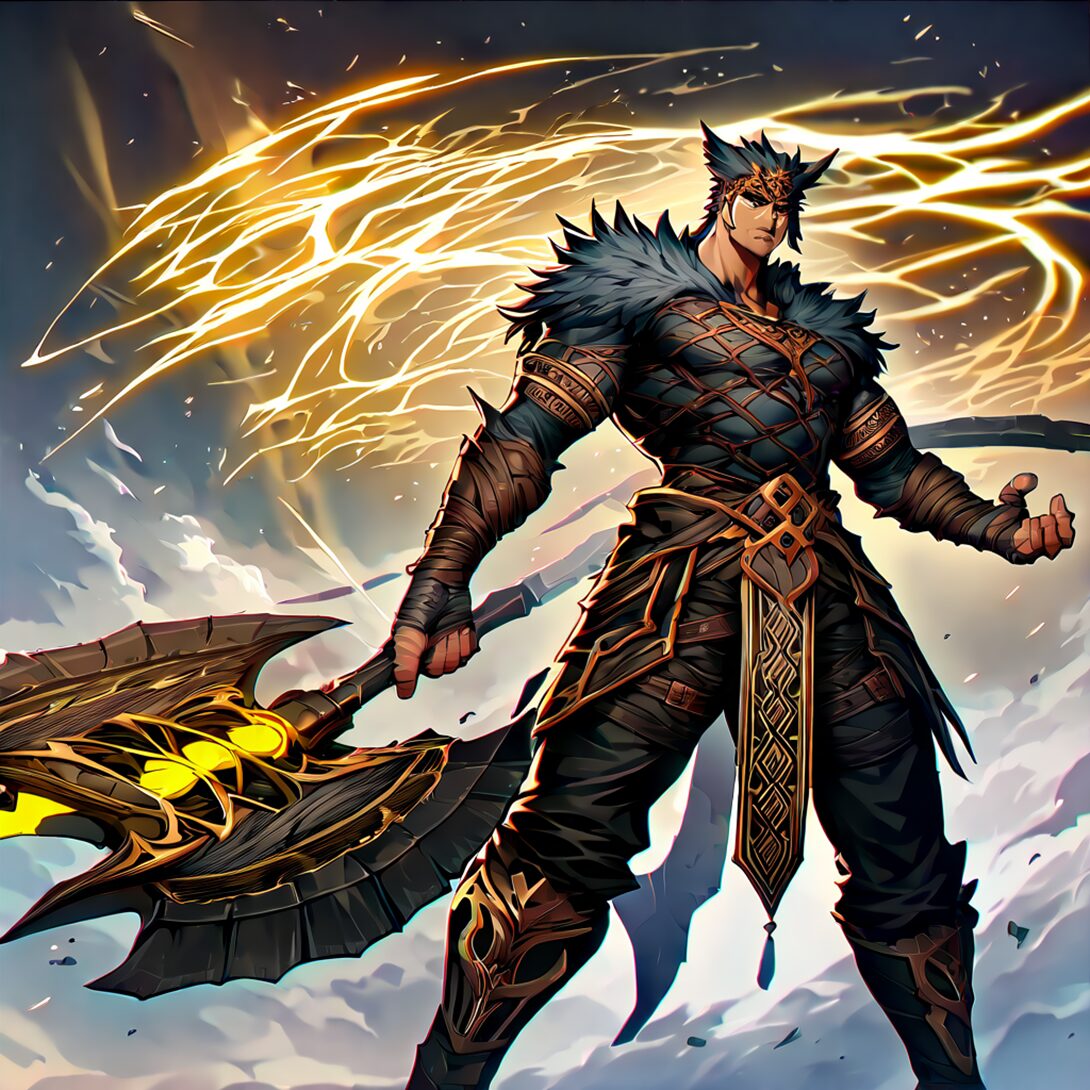
Rank 6: Odin (Overall Ranking: #51)
Odin is the chief god (supreme god) of Norse mythology, presiding over war, wisdom, death, and many other domains.
Despite being regarded as a war god, there are almost no depictions of him fighting directly. In battle, it is only implied that he throws his spear Gungnir at the start — and in Ragnarök he is simply swallowed by Fenrir.
For details, please refer to the following article.
Rank 5: Freyr (Overall Ranking: #47)
Freyr is the god of fertility in Norse mythology, and the brother of the goddess of beauty, Freya. The reason Freyr is rated so highly is an episode in which he was able to fight the most powerful being in Norse mythology, Surtr, for an extended period — even without his “Victory Sword.”
For details, please refer to the following article.
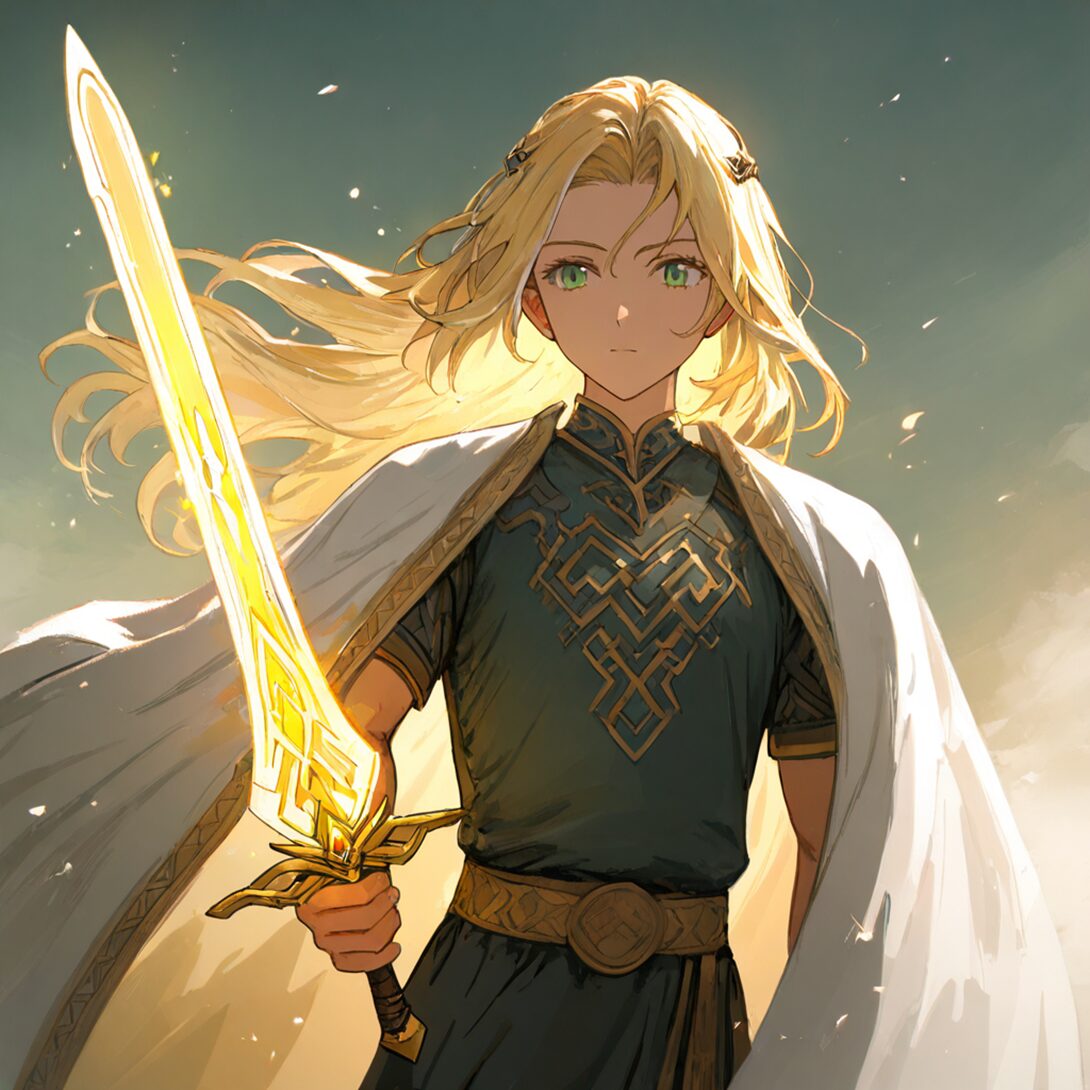
Rank 4: Fenrir (Overall Ranking: #39)
It would not be an exaggeration to call Fenrir the most famous monster in Norse mythology — the demonic wolf who killed Odin himself.
The impact of swallowing the chief god Odin is undeniable, but among the three great monsters who rampaged during Ragnarök (Fenrir, Jörmungandr, and Surtr), Fenrir was also the most easily defeated.
For details, please refer to the following article.
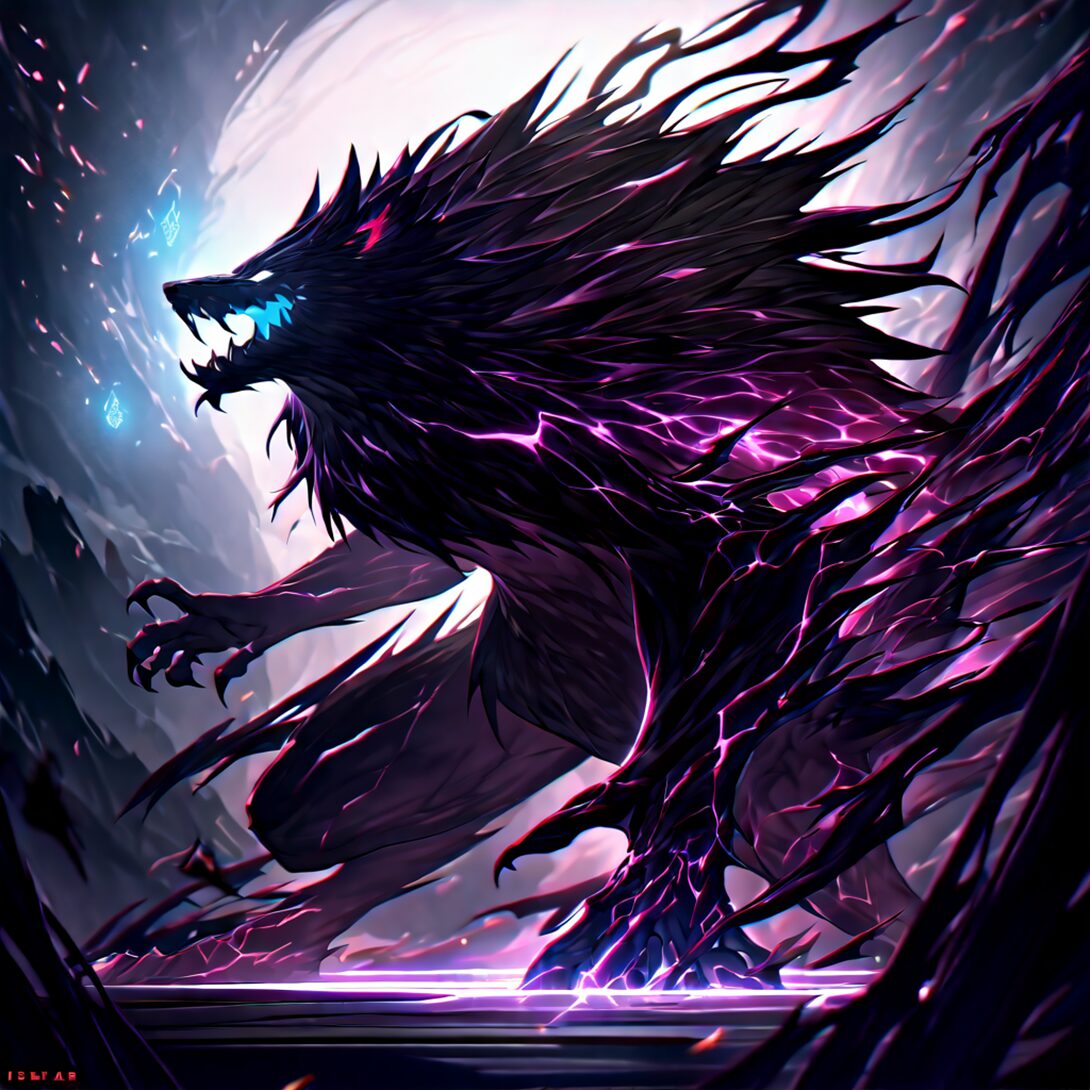
Rank 3: Jörmungandr (Overall Ranking: #29)
Jörmungandr is an enormous serpent monster known as the World Serpent, said to encircle the entire outer sea of the world (Midgard) in a single coil.
One of the three great monsters of Ragnarök (Fenrir, Jörmungandr, and Surtr), Jörmungandr engaged in an epic battle with Thor — the mightiest thunder god among the gods — and the two ultimately killed each other.
For details, please refer to the following article.
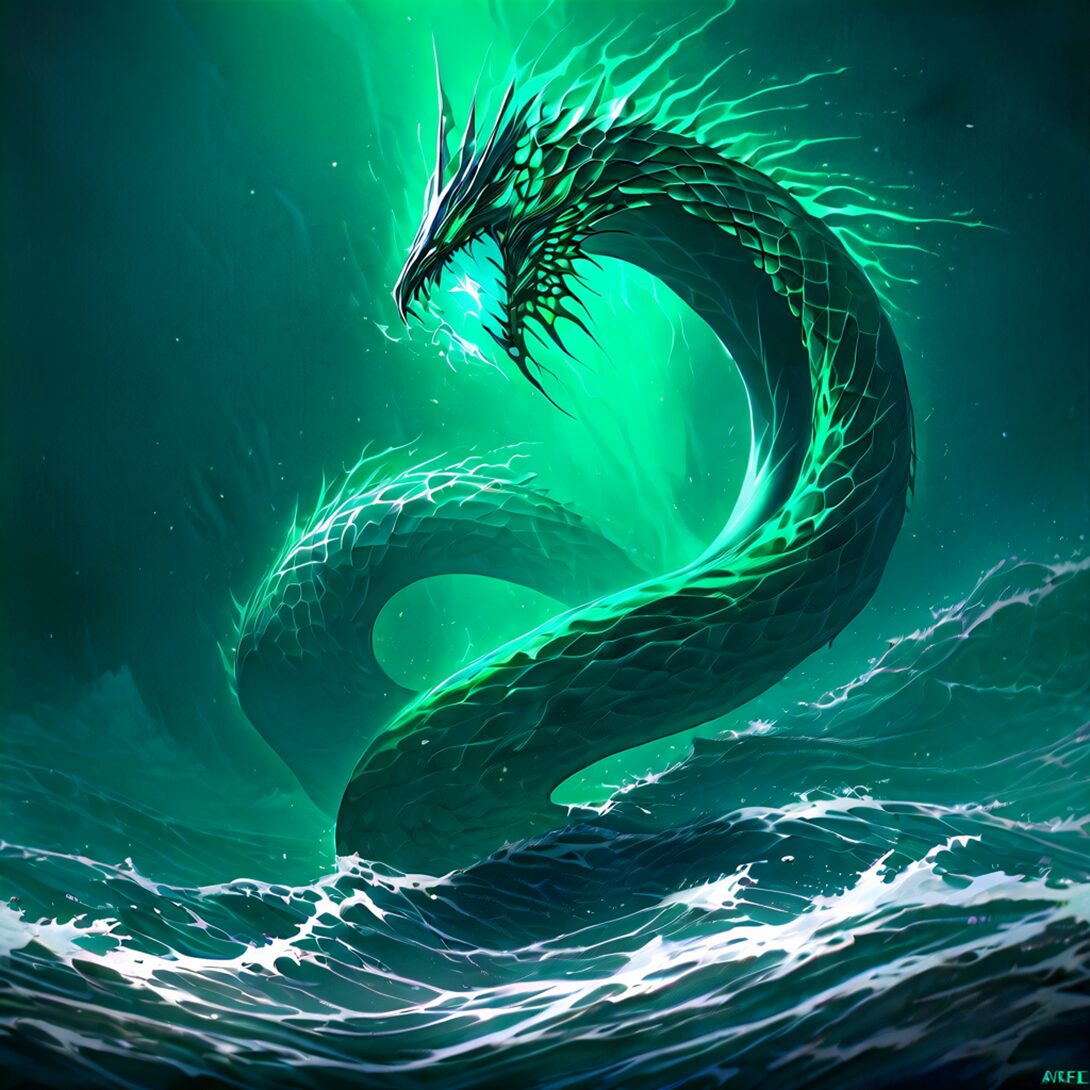
Rank 2: Thor (Overall Ranking: #28)
Thor is the mightiest war god in Norse mythology. According to one account, “Thor’s strength is greater than all the other gods of Asgard combined,” which gives a clear sense of just how exceptional he is.
During Ragnarök, Thor successfully slew Jörmungandr, but succumbed to the poison he had been exposed to during the battle.
The result was technically a mutual kill with Jörmungandr, but since Thor won the actual fight, he is ranked above Jörmungandr. For details, please refer to the following article.
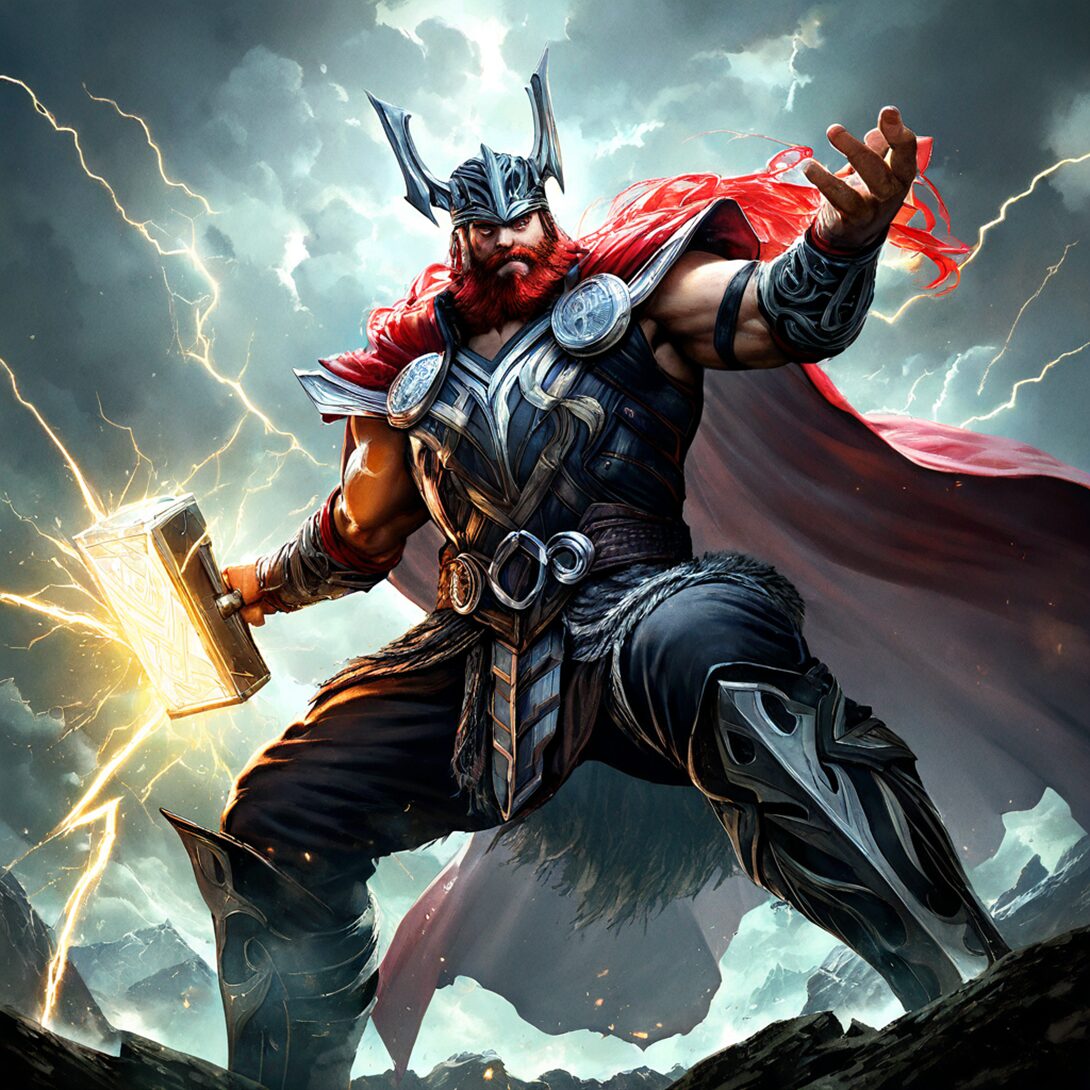
Rank 1: Surtr (Overall Ranking: #24)
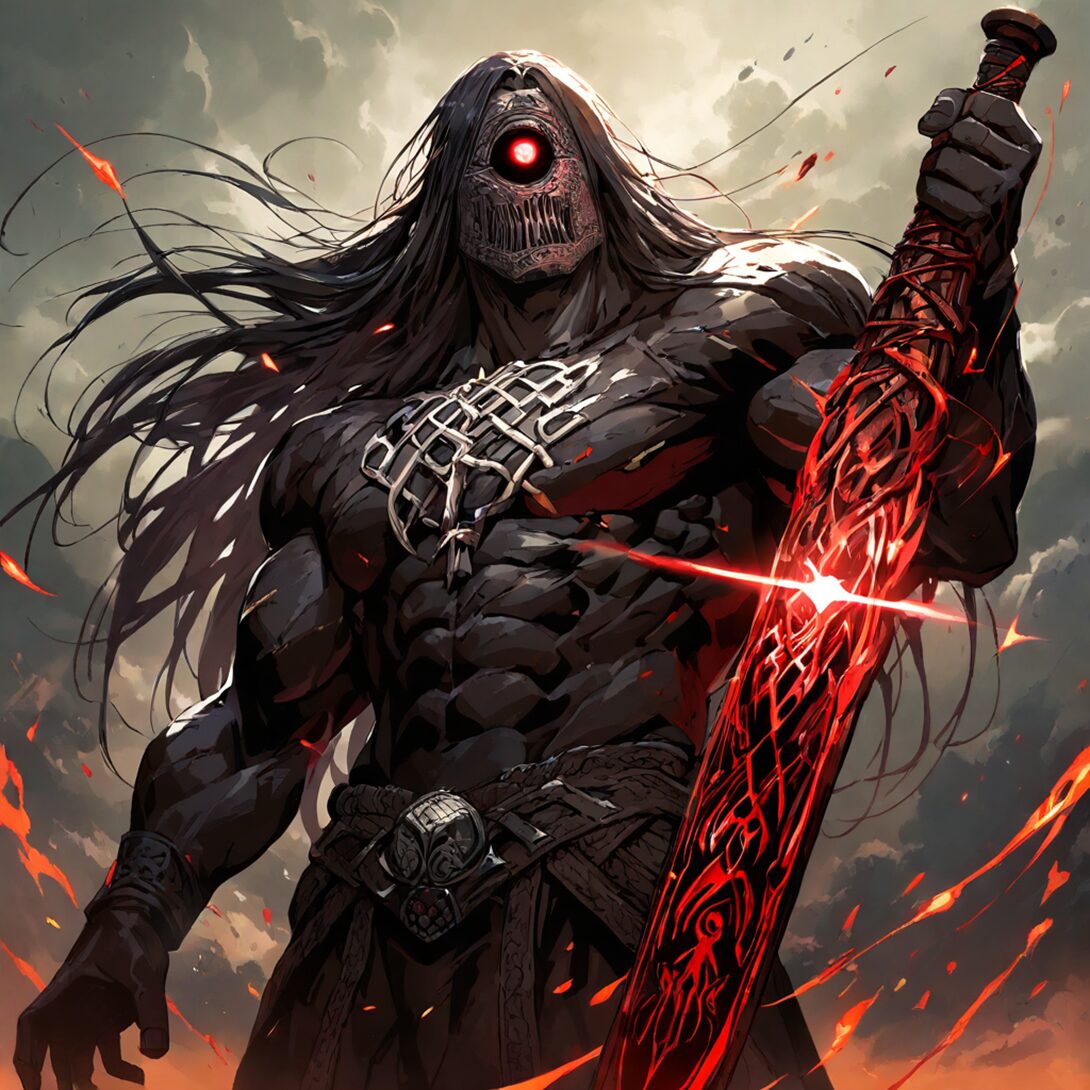
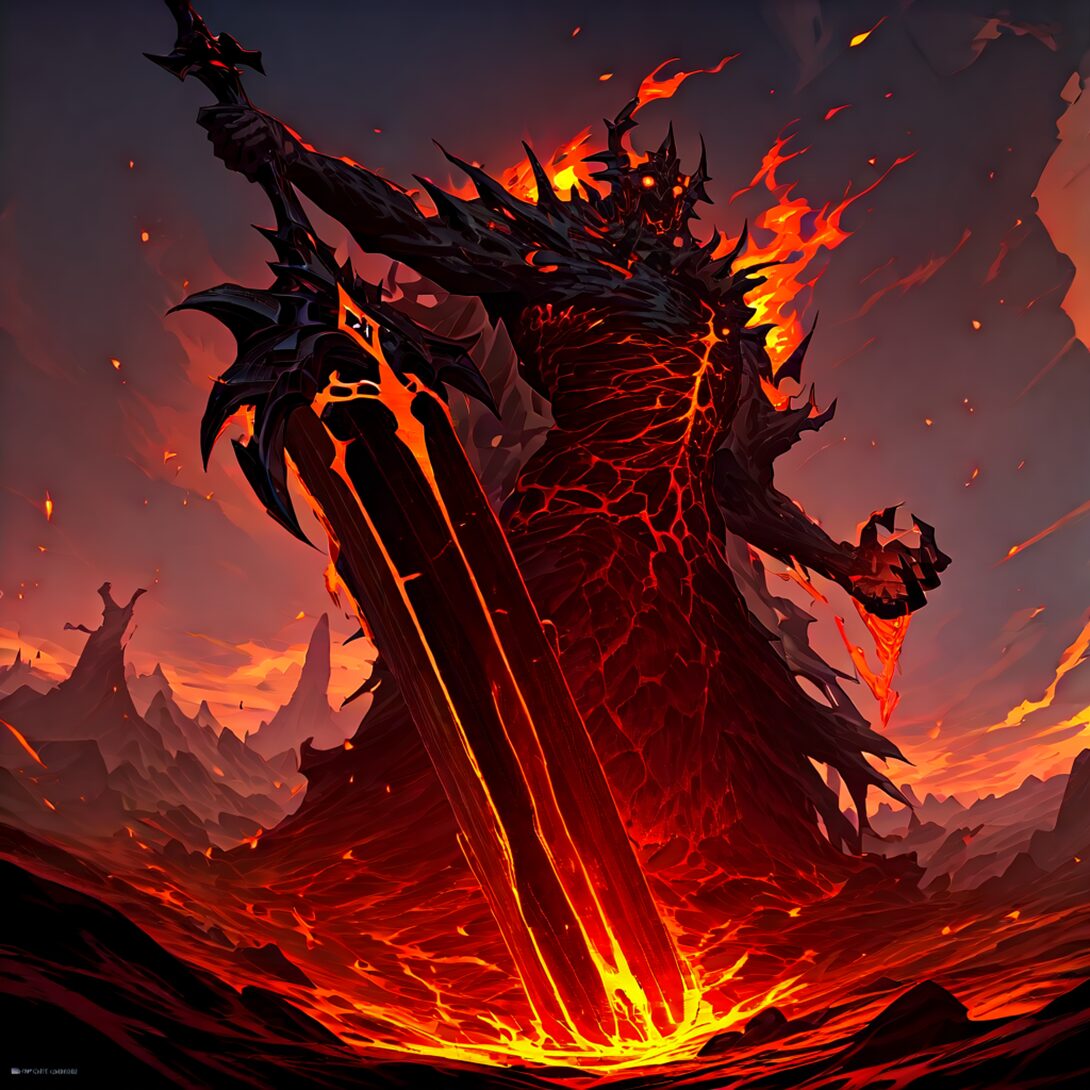
The being who can undoubtedly be considered the strongest in Norse mythology is Surtr — the one who wielded a flaming sword and burned all nine worlds of Norse mythology to ashes.
Surtr is one of the three great monsters of Ragnarök (Fenrir, Jörmungandr, and Surtr), and is the only one who remained undefeated to the very end, ultimately incinerating and destroying every world in Norse mythology.
For details, please refer to the following article.
Summary
This ranking was created by focusing exclusively on Norse mythology within the larger overall ranking that covered all mythologies, religions, and legends.
Compared to other mythologies, Norse mythology contains a relatively high number of battle depictions, and in particular the all-out war of Ragnarök makes it easier to gauge the strength of the gods and monsters.
However, in the comprehensive cross-mythology ranking, Norse mythology does not produce beings who break into the very top tier — most of its gods and monsters operate within what might be called “conventional” power ranges.
This is likely because Norse mythology, being relatively ancient, does not feature gods who wield power at the level of abstract concepts such as time and space (gods with concept-level powers tend to appear in newer mythologies and religions).
Norse mythology has many gods and monsters, and even beyond those featured in this ranking, there are still powerful beings that were not included. Evaluating all of them in full would have been quite the undertaking, so I plan to expand the ranking over time as opportunities arise.
Going forward, I intend to create similar individual rankings for other mythologies and religions as well, so feel free to check back if you are interested.
Other Rankings
Purchase the Book Here

Other Popular Articles

How Indie Developers Can Sell Their Games on Steam - Senko’s Activity Log

Also popular with readers
📚 Series: Power Rankings by Mythology (2/7)