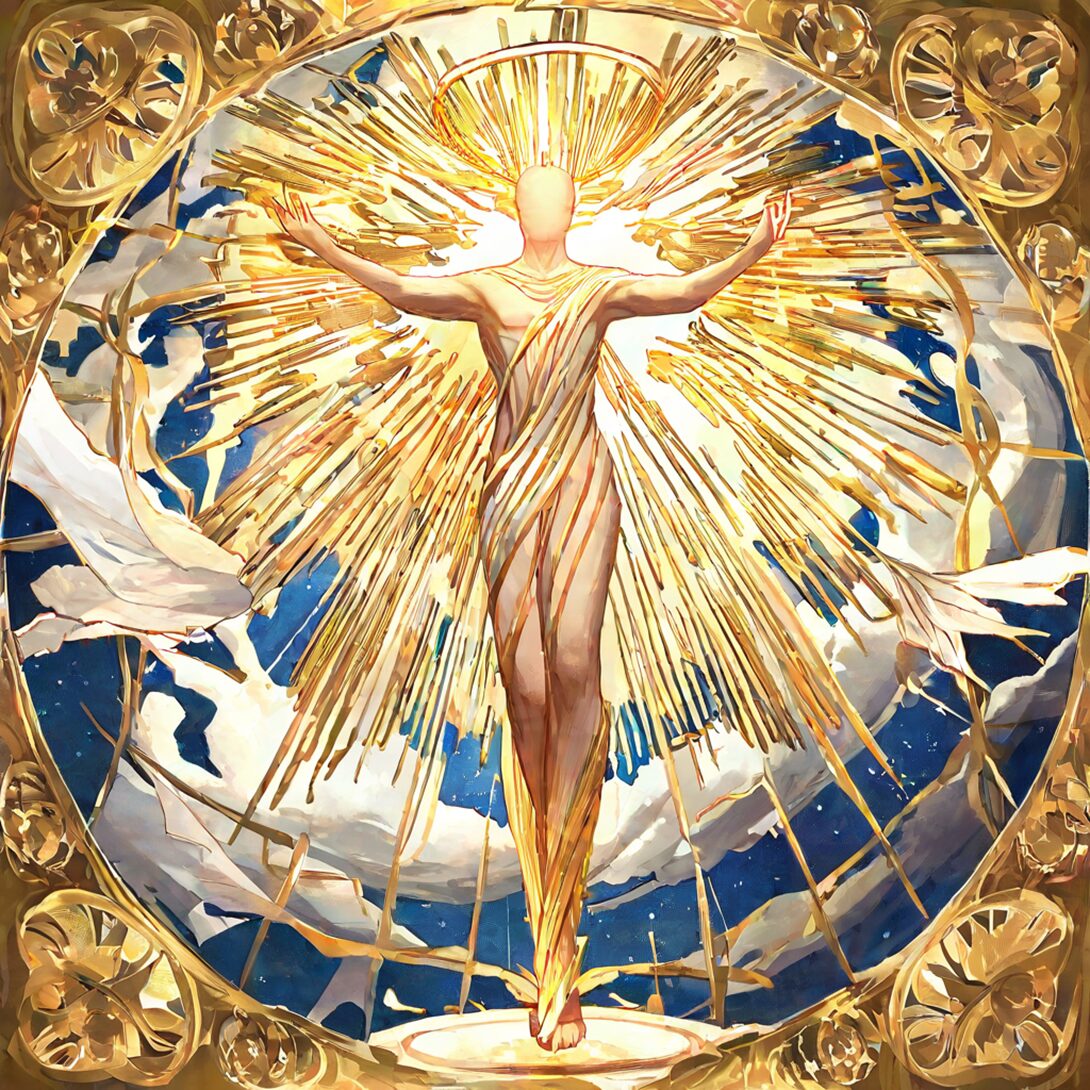
Mythology & Religion Power Ranking TOP100
This article introduces Rank 1: The God of Abraham from the “Mythology & Religion Power Ranking TOP100”, which ranks the gods, monsters, and heroes of world mythology, religion, and legend in order of strength.
If you want to see the full TOP100 list and the criteria behind the rankings, check out the overview article below.
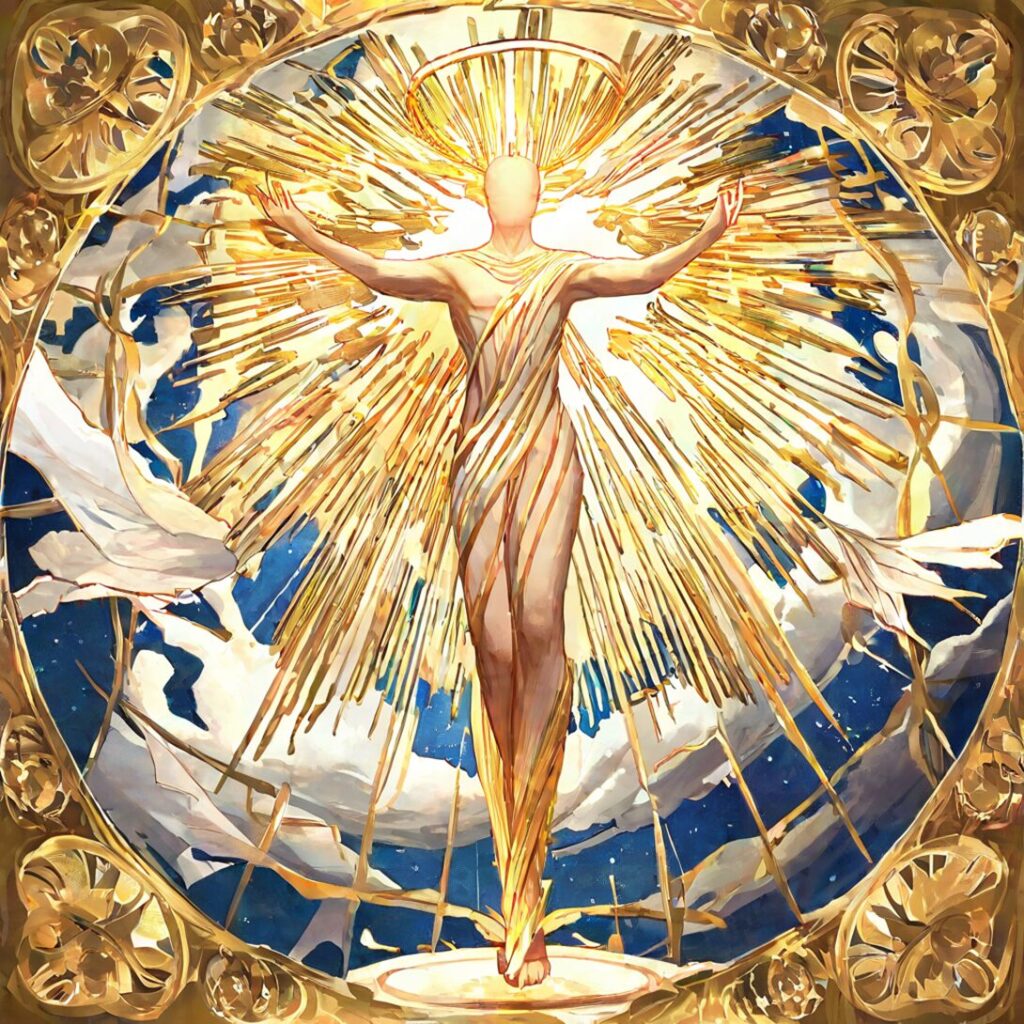
Rank 1: The One God (Judaism, Christianity, Islam, and related religions)
✨ What happens if The God of Abraham fights the other gods?
I built a simulator that pits the 100 entries in this ranking against each other. It opens with The God of Abraham already picked, and an opponent of the same tier chosen for you.
⚔ Send The God of Abraham into battleOverview
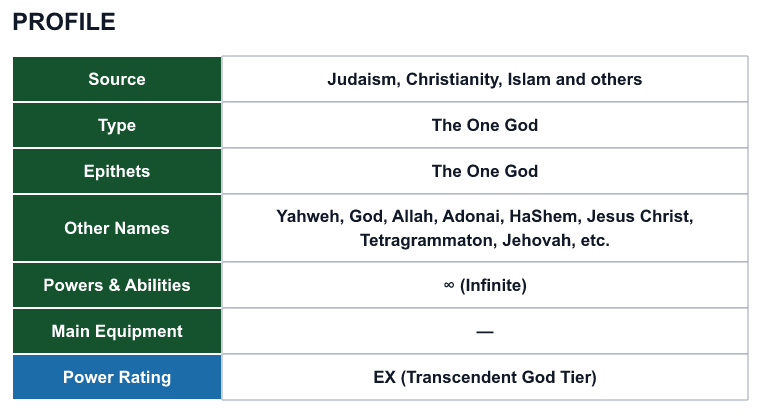
The One God (the Abrahamic God) is the supreme being in the monotheistic religions of Judaism, Christianity, and Islam — the creator and ruler of all existence.
These religions trace their faith back to the prophet Abraham (also known as Ibrahim, among other names). Though they have diverged into distinct religions over time, they all fundamentally worship the same being: the one true God, the sole deity in existence.
The reason they exist as separate religions comes down to differences in the interpretation of scriptures and teachings, as well as various historical factors.
Many people associate the name “Yahweh” with this God, but it is slightly more nuanced than that. When Moses asked God for His name, God answered with “אהיה אשר אהיה,” meaning “I Am Who I Am.” From this statement, the Hebrew rendering “יהוה (YHWH)” — meaning “He Who Is” — was used in the Old Testament, which gave rise to pronunciations like “Yahweh” or “Jehovah.” However, because Hebrew writing at the time omitted vowels, the correct pronunciation remains uncertain — it could be Yahweh, Jehovah, Yahveh, or something else entirely.
So strictly speaking, “Yahweh” is more of a modern human attempt to render the name God used for Himself.
In addition, the Ten Commandments in the Old Testament include the instruction “You shall not take the name of the Lord your God in vain,” which is why even saying a name like “Yahweh” is typically avoided. Instead, Jews may use “Adonai (Lord)” or “HaShem (The Name),” Christians may say “God” or “Lord,” and Muslims say “Allah (God)” — all of these refer to the same One God.
The notable exception is Christianity, which holds that Jesus Christ (the Logos) and the Holy Spirit are the same being as God (the Trinity), meaning that referring to Jesus Christ also refers to the One God (though it more often specifically points to His time in human form).
In a single word, the power of the One God is “infinite” — He can create, destroy, manipulate, and govern all things. He transcends time and space, and perceives the past, present, and future simultaneously. His will is absolute, making Him the ultimate being above all other existences.
In the Bible, He brought light into the universe with a single utterance — “Let there be light.” He effortlessly wiped out humanity with the Great Flood of Noah, and rained fire from heaven to destroy the cities of Sodom and Gomorrah.
Ranking Reason
The One God is the literal embodiment of “complete omniscience and omnipotence” — there is nothing in existence that He cannot accomplish. His power is truly infinite.
In theory, every ability wielded by any god or being elsewhere in this ranking could be replicated by the One God alone — and He could surpass all of them effortlessly if He chose to.
Honestly, from the very beginning of building this ranking, the #1 position was never in doubt. While other mythologies distribute divine powers among many gods, the One God alone encompasses every role and authority — which creates a decisive and fundamental difference.
That said, the beings in 2nd and 3rd place come remarkably close to His level, and determining who ranks higher requires genuinely difficult theological reasoning. But in terms of fundamental nature, I believe the One God — who exists in complete independence from everything in the universe — holds the highest divine status.
About the Book
I wrote a book that compiles this entire ranking! The reasoning behind each placement is grounded in the actual lore and episodes from each mythology, so I think it makes for a fairly convincing read.
The book also contains many columns and extras not published on this blog, so if you are interested, please check it out below.

Also popular with readers
📚 Series: Mythology Power Ranking (Individual Characters) (100/100)