Latest News
A free demo is now available on Steam! If you’re even a little curious, please add it to your wishlist and give it a try!
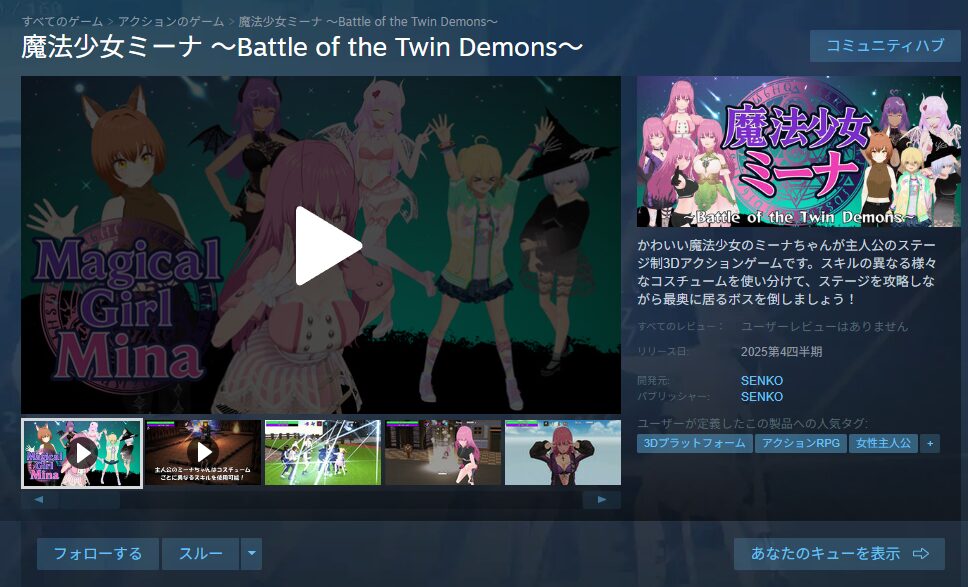
The full version is planned for release in February or March 2026 (timed with Steam Next Fest).
What Is Magical Girl Mina?
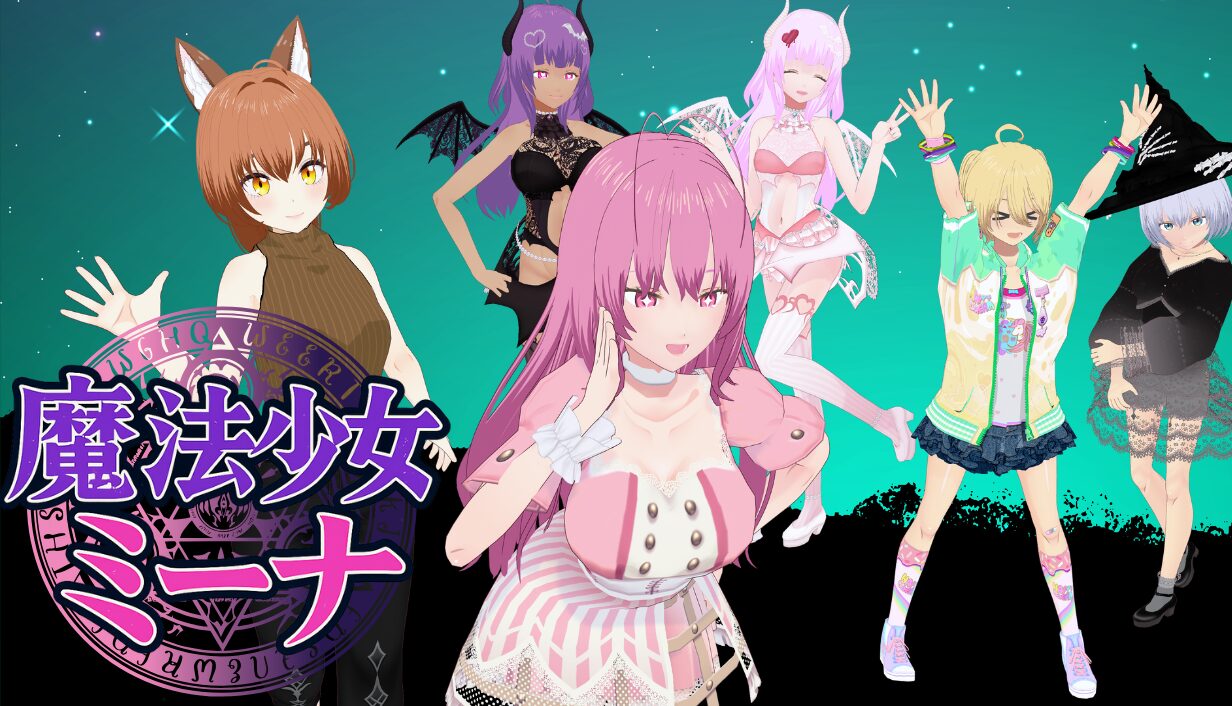
“Magical Girl Mina Battle of the Twin Demons” is a PC 3D action game I’m developing as a solo project. The goal is to guide the protagonist, magical girl Mina, through all the game’s stages.
The best way to get a sense of the game is to watch the trailer below (note: the layout shown is from an earlier build):
https://twitter.com/FoxEngineer777/status/1974287906367050068
The controls are intentionally simple — designed so that even players new to action games can finish the game. There are lots of features to talk about, but here are some highlights.
Feature 1: Cute Protagonist and Main Characters
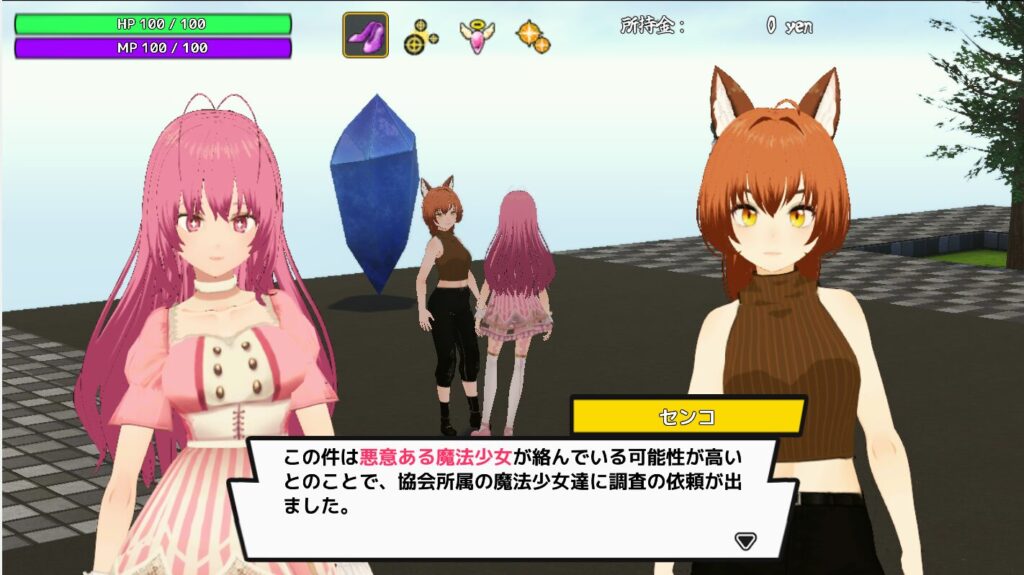
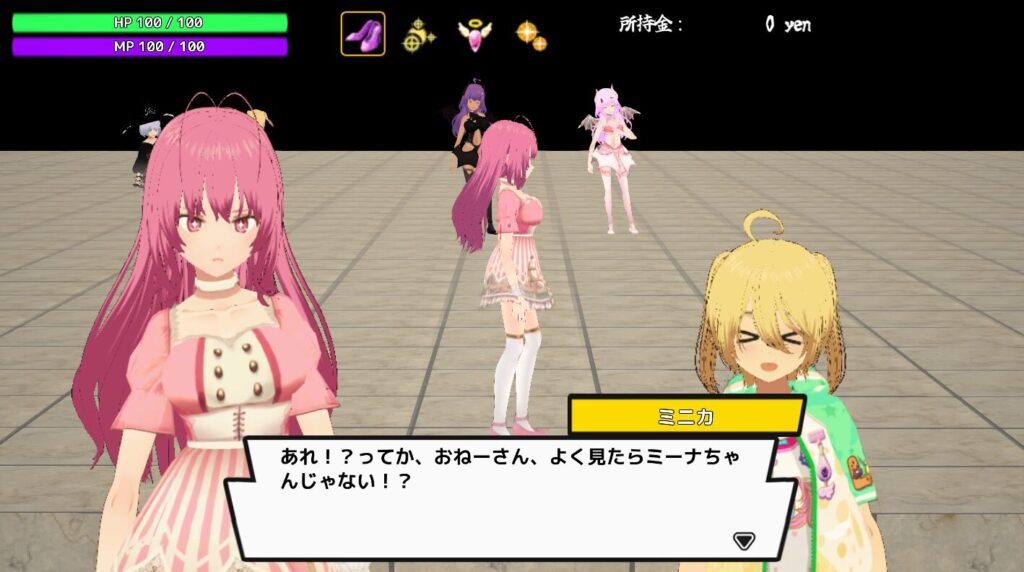
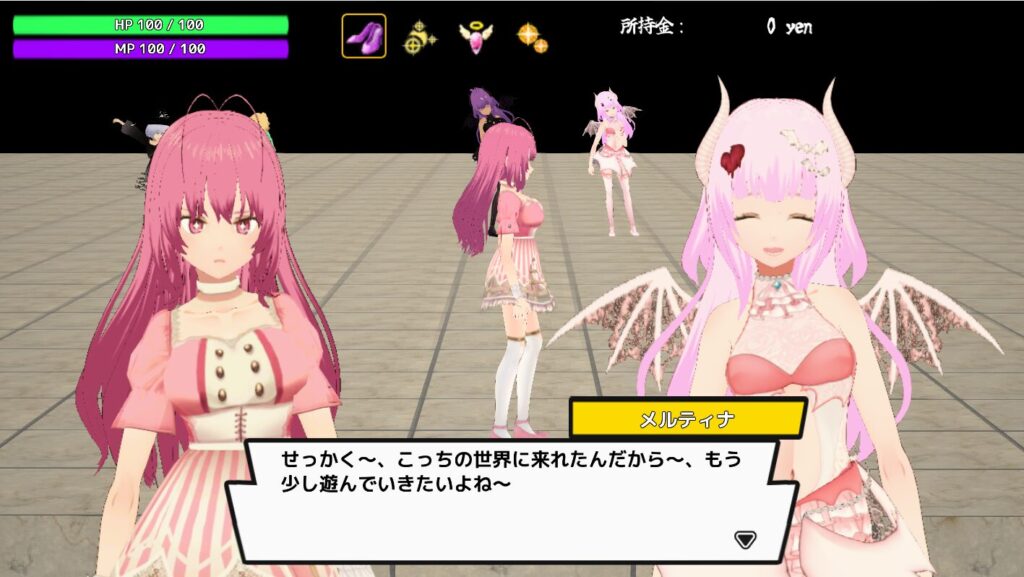
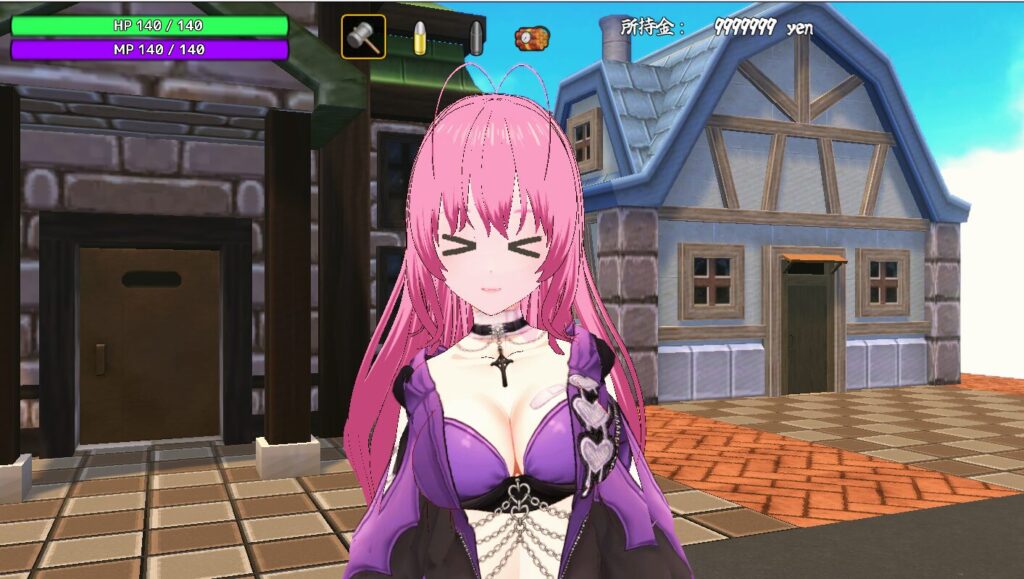
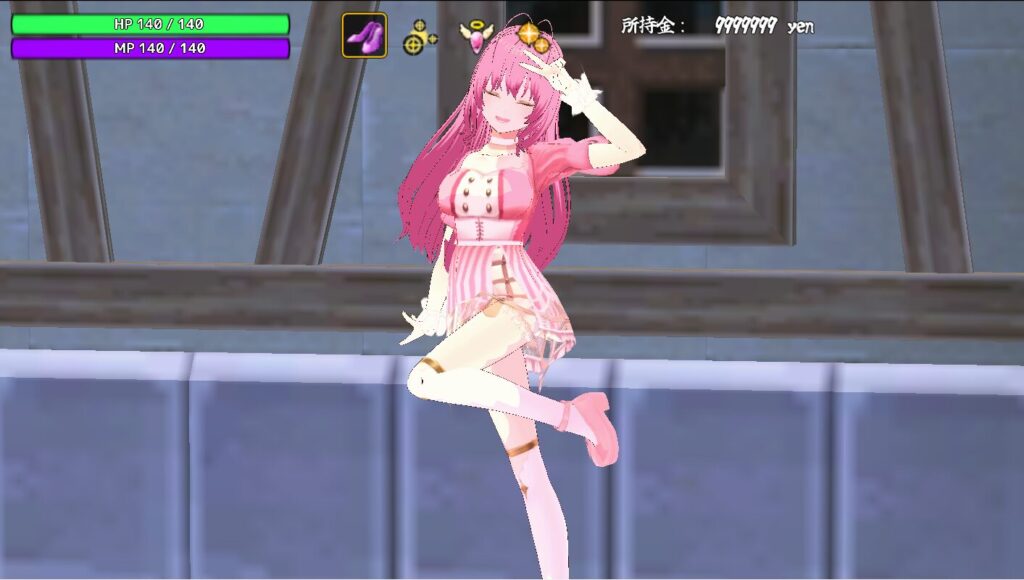
Very cute, right? The game features a cast of adorable characters, starting with the protagonist Mina. The story is kept light and fun, with plenty of charming character interactions throughout.
If you’re looking for a deep, serious story, this might not be for you — but if you enjoy a bright, cheerful atmosphere, this game is definitely worth checking out.
Feature 2: Costume Change System with Diverse Skills
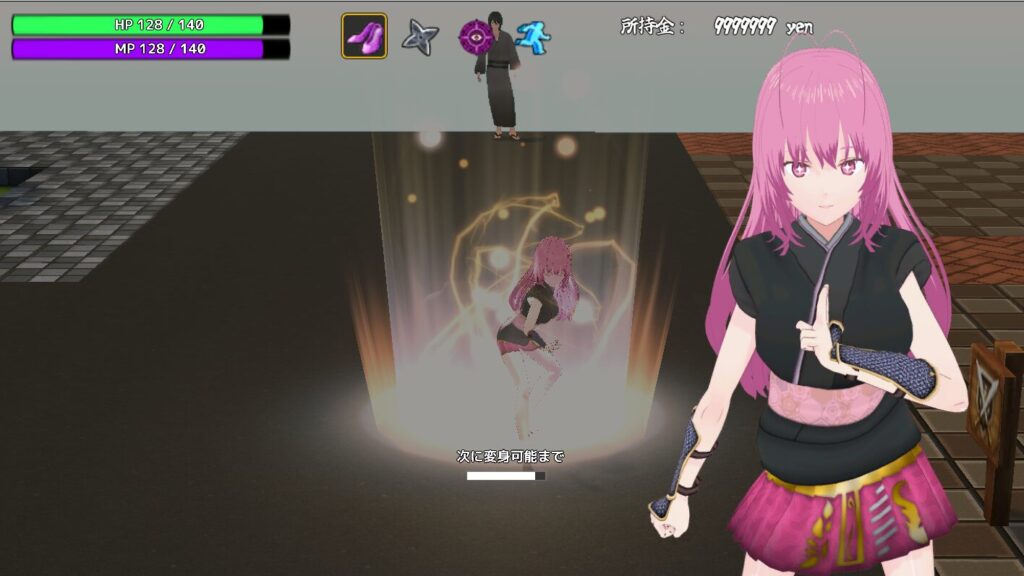
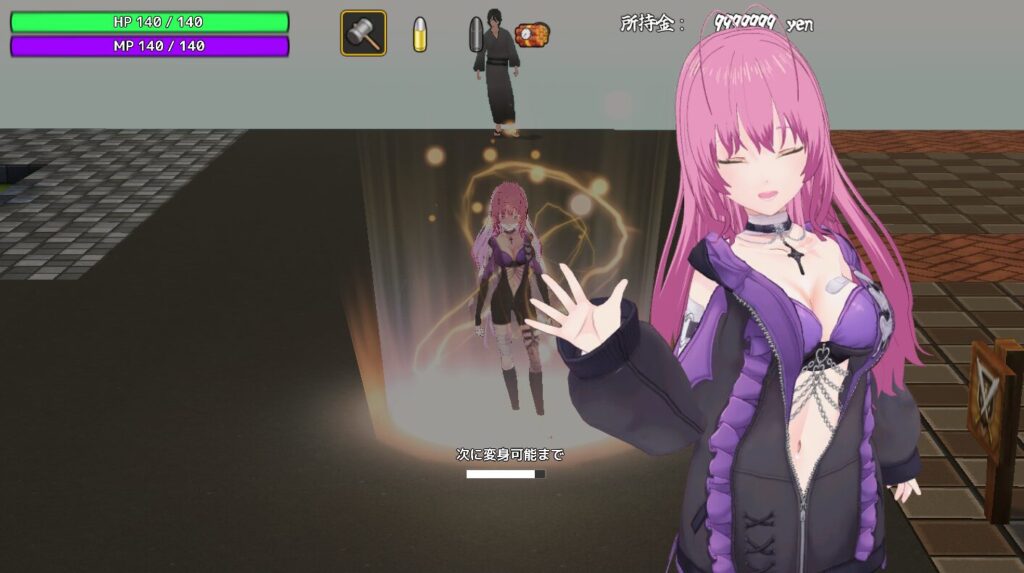
Mina can switch between a variety of costumes (magical outfits). Each costume unlocks a different set of skills, making it strategically important to change into the right outfit for specific enemies and situations.
Each costume change is also accompanied by a unique cut-in animation, so you’ll get to see a different side of Mina every time you switch.
Some costumes are a little on the sexy side, but the game overall is very wholesome — suitable for all ages.
Feature 3: Simple but Solid Action Gameplay
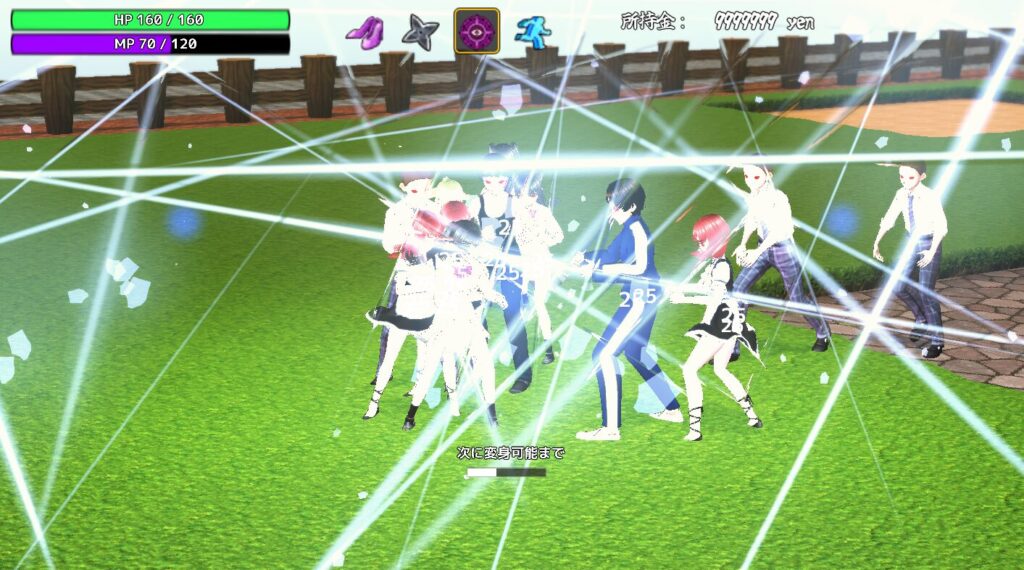
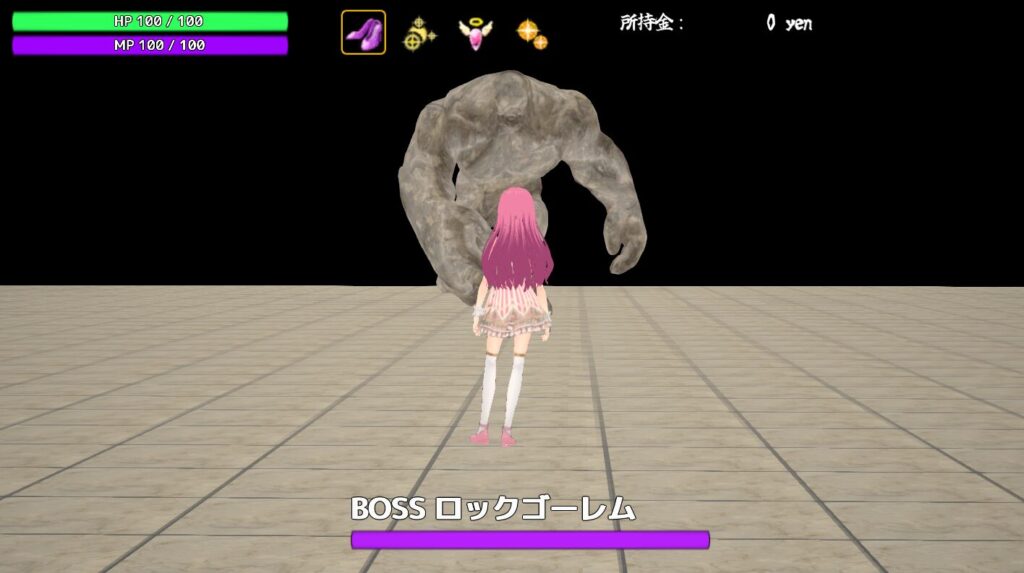
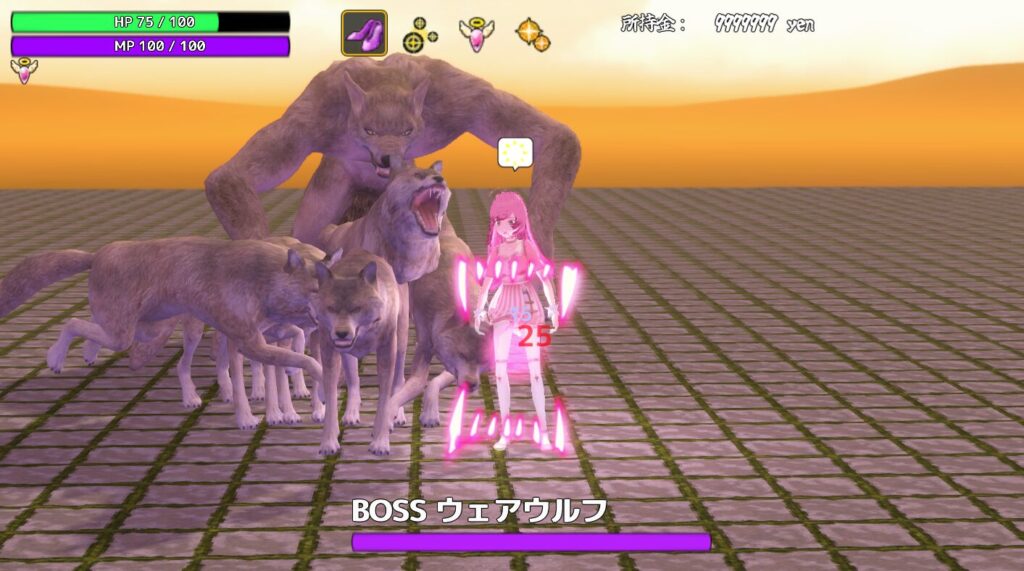
Despite the cute visuals, the gameplay itself is a clean, no-frills action experience. The main actions available are four costume-specific skills, a jump, and an emergency dodge.
There’s none of the complex input systems common in modern action games — the core loop is dodge incoming attacks and hit back with skills. That makes the game accessible to newcomers to the genre.
That said, enemy attack patterns are varied and dodging them takes some practice, so there’s enough challenge to stay engaging. Balance has been carefully tuned to keep experienced players from getting bored too.
Story
Opening
About 30 years ago, people with magical abilities suddenly began appearing across the world. Magic made the impossible possible, sending shockwaves through society. Scientists have been studying it ever since, but many mysteries remain.
Magic changed the world — for better and for worse. Warp crystals that allow instant travel, fire and electricity generated without fuel, and countless other wonders were created. But the misuse and accidental release of magic led to daily incidents worldwide. And one of the deepest unsolved mysteries: the vast majority of those who awaken to magic are girls around the age of ten.
They came to be called, naturally, “magical girls.” And today, one magical girl receives word of another incident.
Story Overview
Protagonist Mina is one such magical girl. She’s been contacted by the Magical Girls’ Association: an abnormal surge of rioters has appeared in Melon Town. Mina heads out to investigate — and at the center of it all, she finds two young magical girls and two demons.
To resolve the situation, Mina must confront them.
Main Characters
Magical Girl Mina
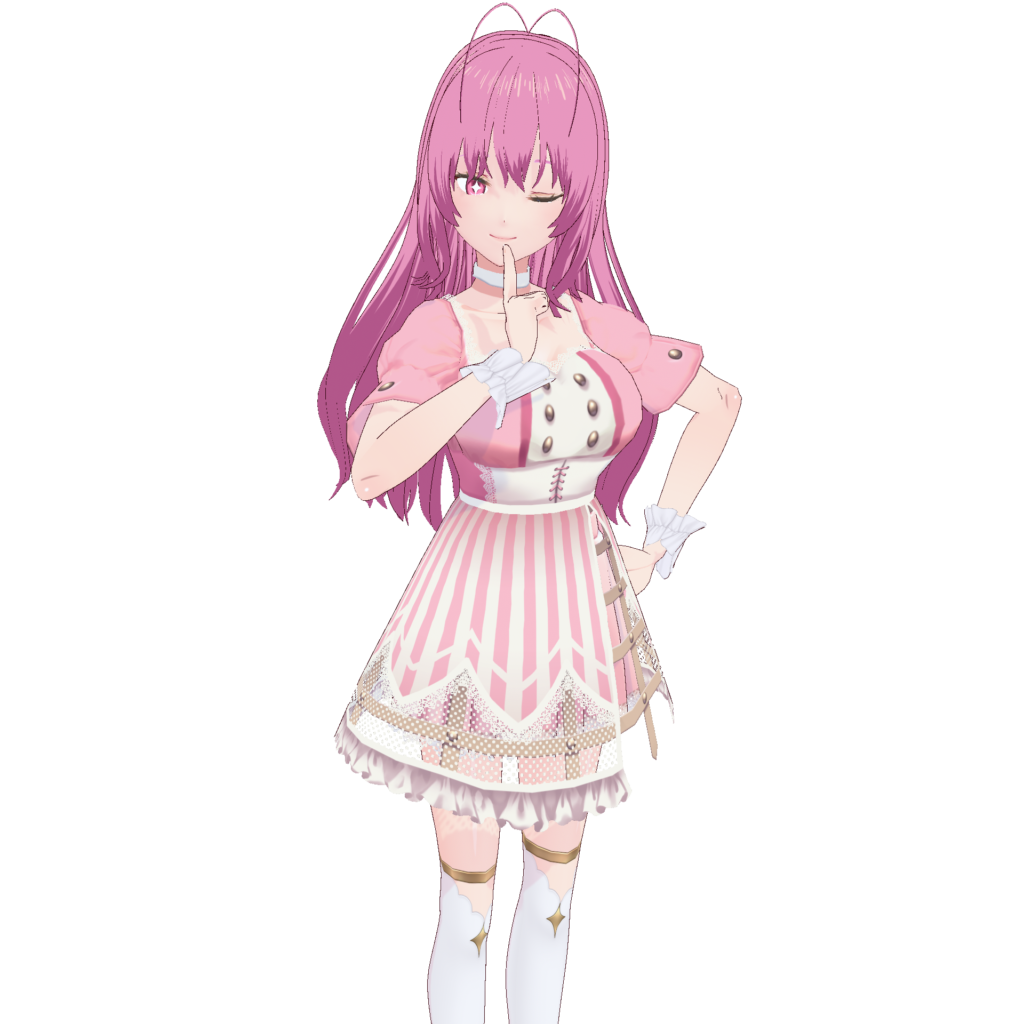
The protagonist. Holds the top-tier “First-Class Magical Girl” certification. Recognized by herself and everyone around her as a prodigy since childhood — perfect in magic, academics, and athletics alike. The ultimate magical girl.
Serious and strong-willed with a class-president personality, but tends to solve things with her fists when situations get complicated. Favorite food: mint chocolate chip ice cream.
Senko
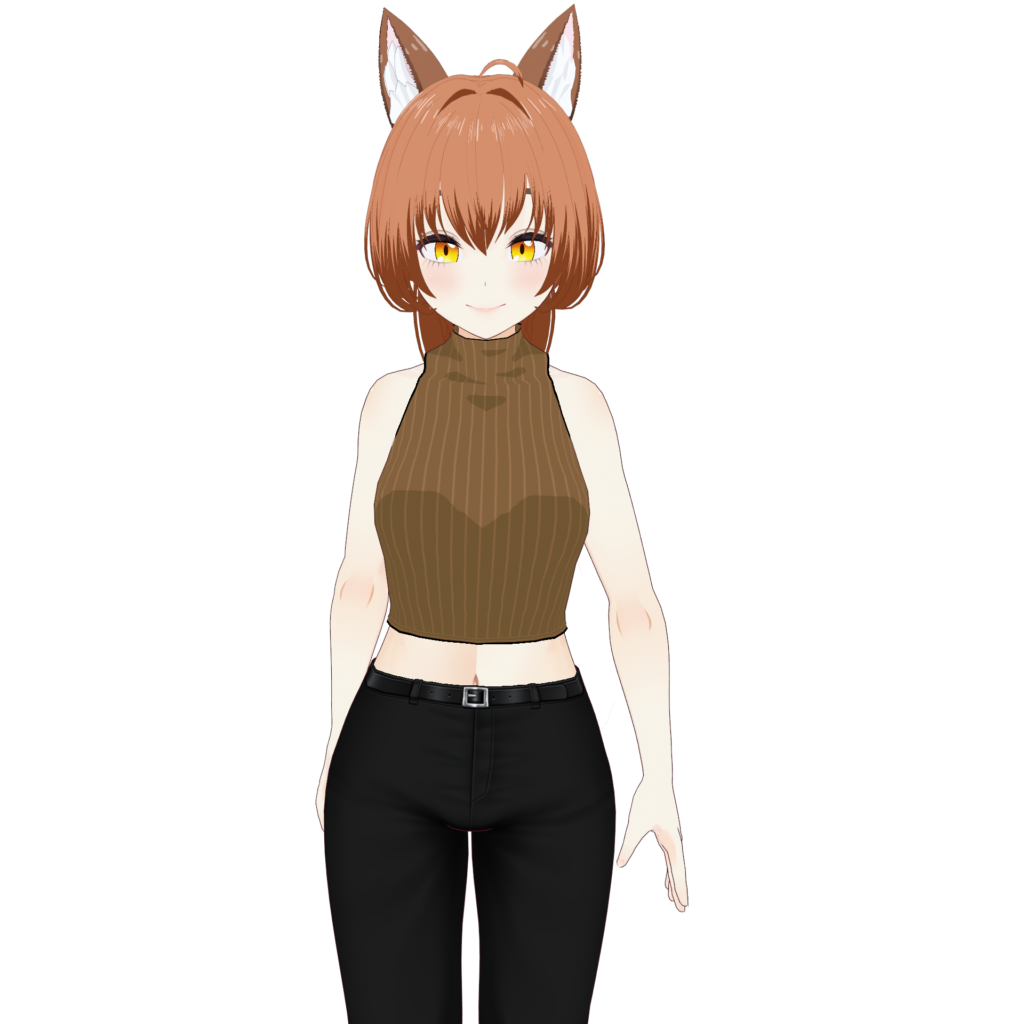
The navigator (event handler) of this story. A fox-type beastfolk affiliated with the Association, assigned as Mina’s personal aide — but her real job is keeping Mina in check when she starts going off the rails.
Possesses extraordinary strength even among beastfolk, surpassing many magical girls in combat ability. Occasionally steps in to handle field work herself. Favorite food: anything with a satisfying crunch.
Magical Girl Sierra
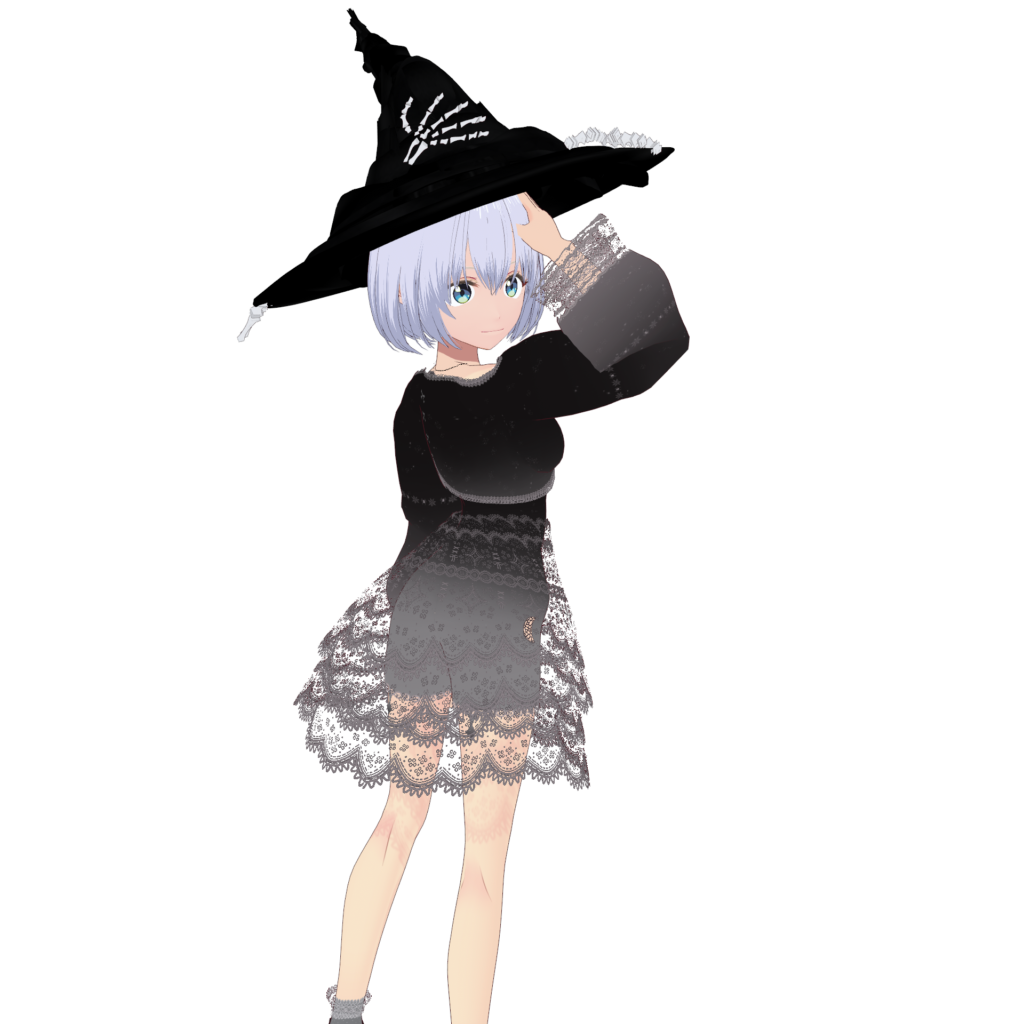
A newly awakened magical girl who happened to be present during a demon summoning as Minica’s companion. Doesn’t think highly of the demons, but goes along with things because Minica is into it. Sarcastic with a sharp tongue in conversation, though she doesn’t actually dislike the people she’s talking to. Has complicated feelings about Minica. Favorite food: natto.
Magical Girl Minica
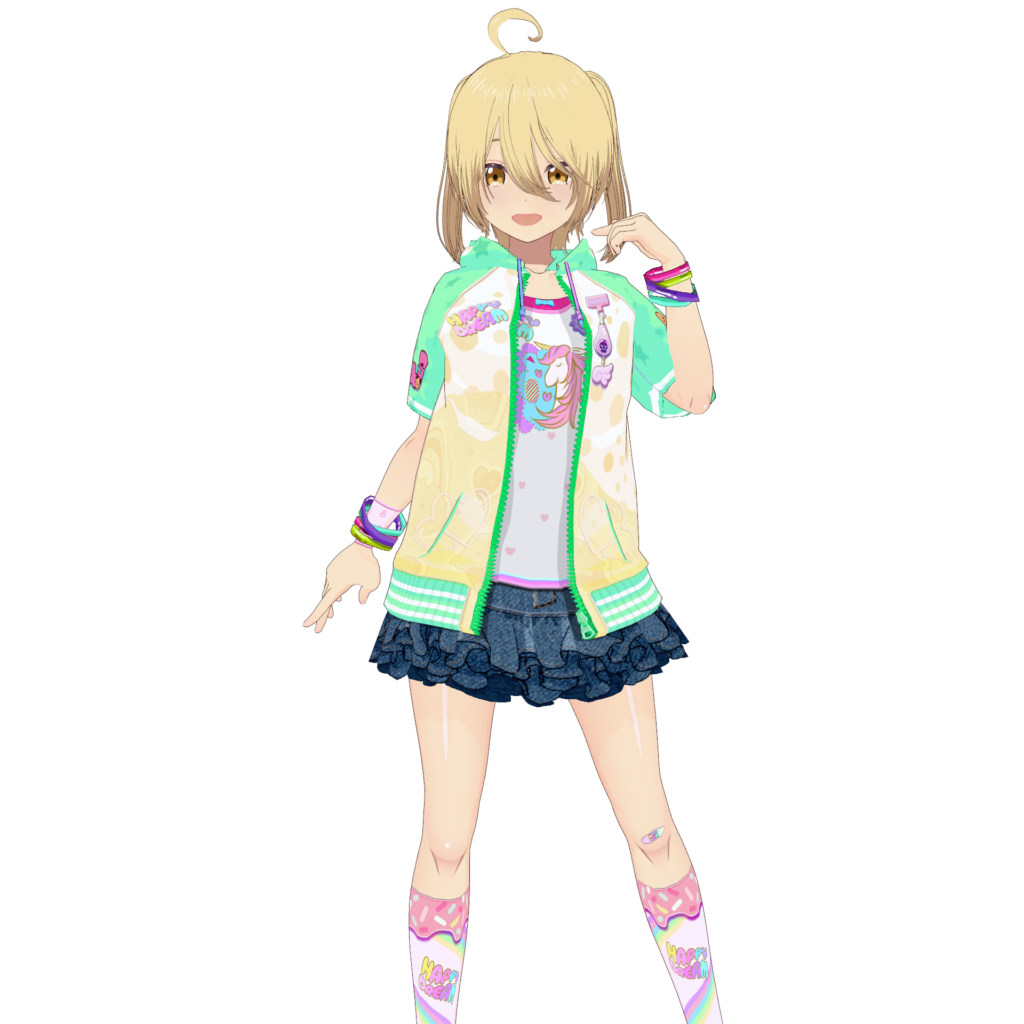
Another newly awakened magical girl who accidentally summoned demons when testing out her unique spell. She was terrified at first, but the demons turned out to be surprisingly friendly and she quickly made friends with them. Often reckless and doesn’t think things through, but is bright, kind, and well-liked. Favorite food: oden.
Demon Vivie
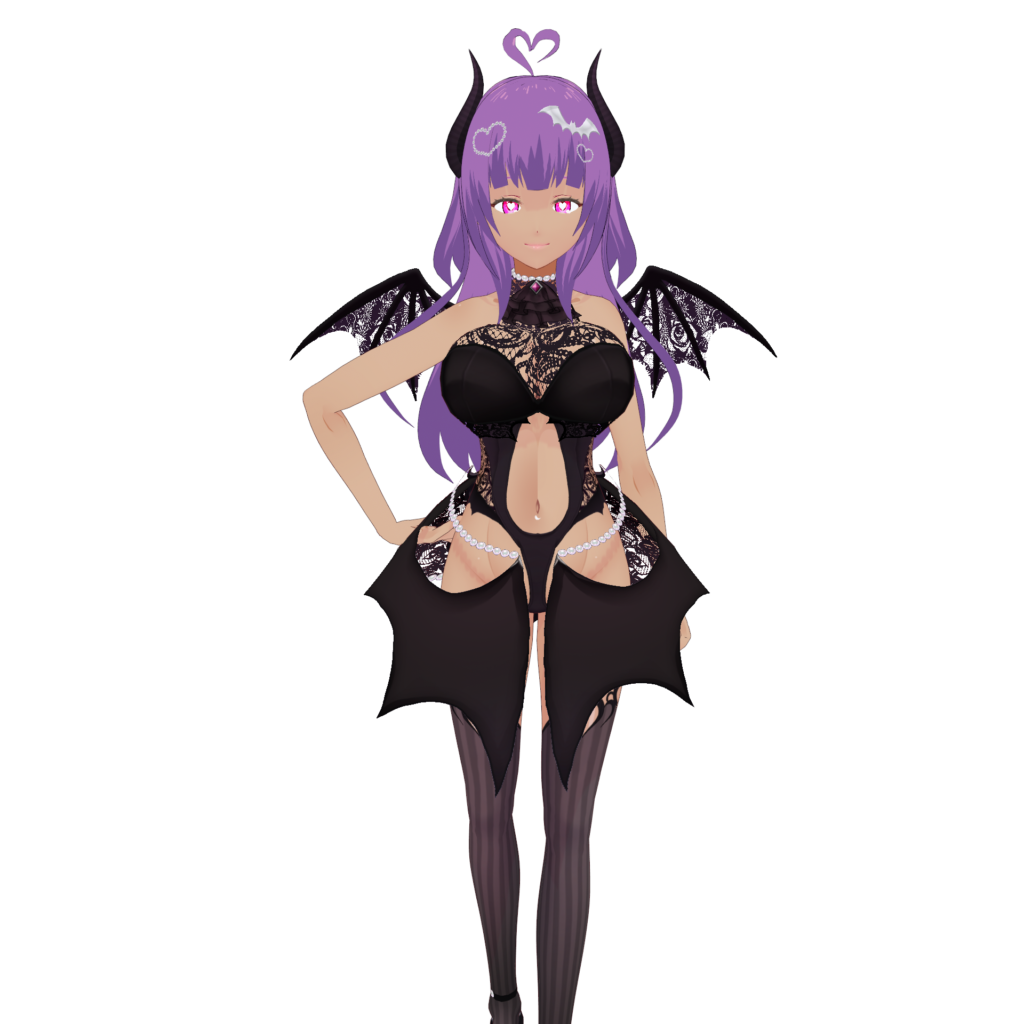
One of the demons summoned by Minica. Unusually powerful even among demons, rivaling noble-class strength. Commands a vast number of minions and can summon golems and monsters at will. Lives by hedonistic principles, making decisions based almost entirely on whether something seems fun. Favorite food: beef stroganoff.
Demon Meltina
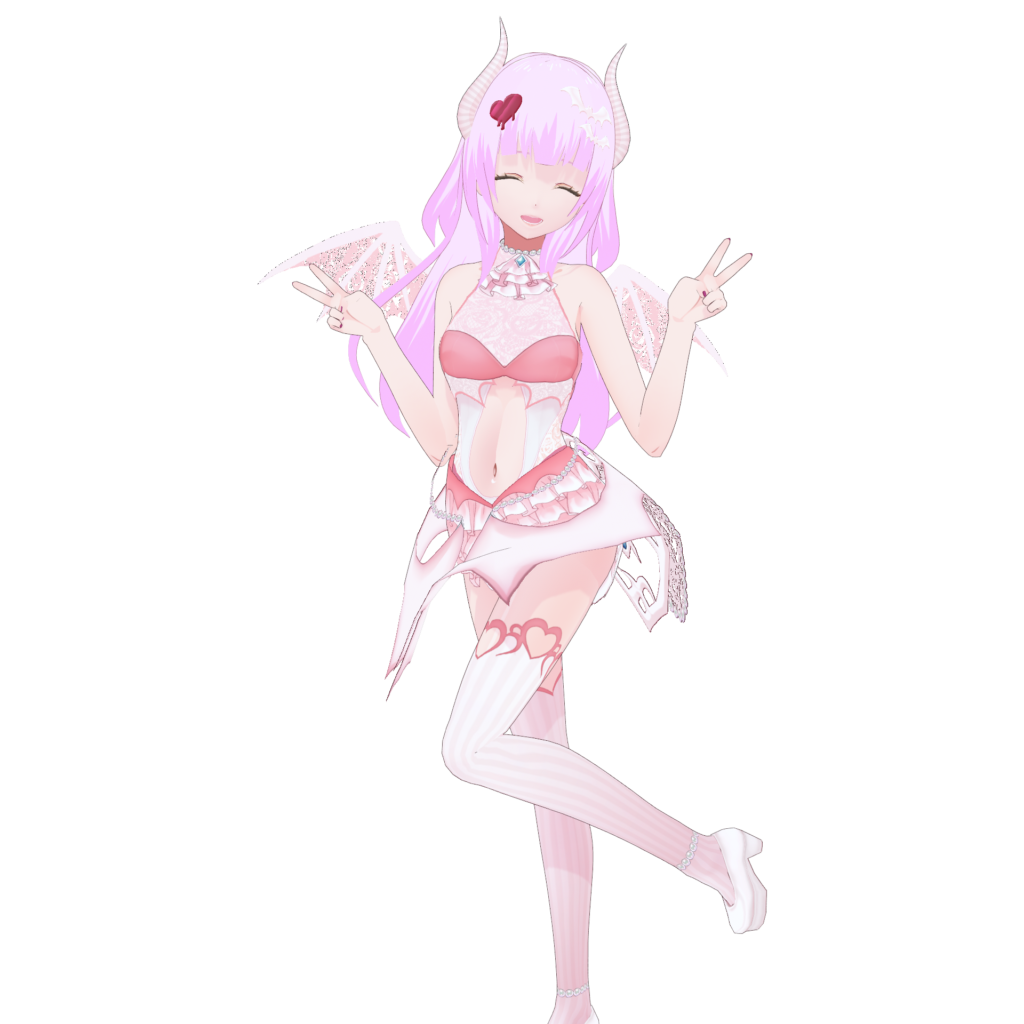
The other demon summoned by Minica. Possesses powerful charm magic — her mere presence causes ordinary people to lose control of their emotions, making her essentially a walking disaster. Even more hedonistic than Vivie, living by the principle that anything goes as long as it’s entertaining. Favorite food: tonkotsu ramen.
How to Play
Controls
The game is designed for XInput gamepads (Xbox 360-style controllers), though keyboard and mouse support is also available. For full control details, see the in-game manual.
Gameplay Flow
The core loop is simple: talk to Senko the navigator, then take on each available stage in order, and repeat.
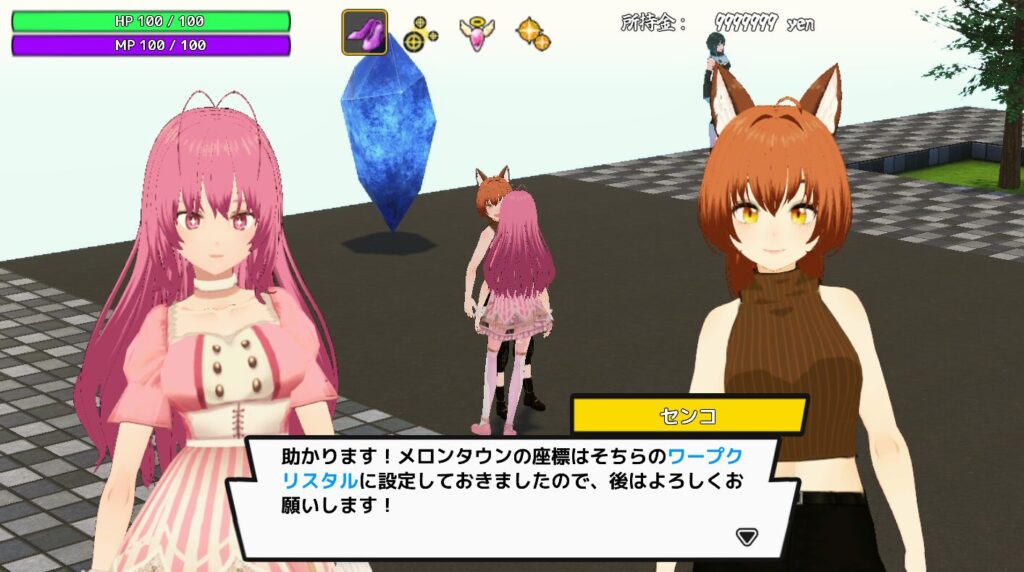
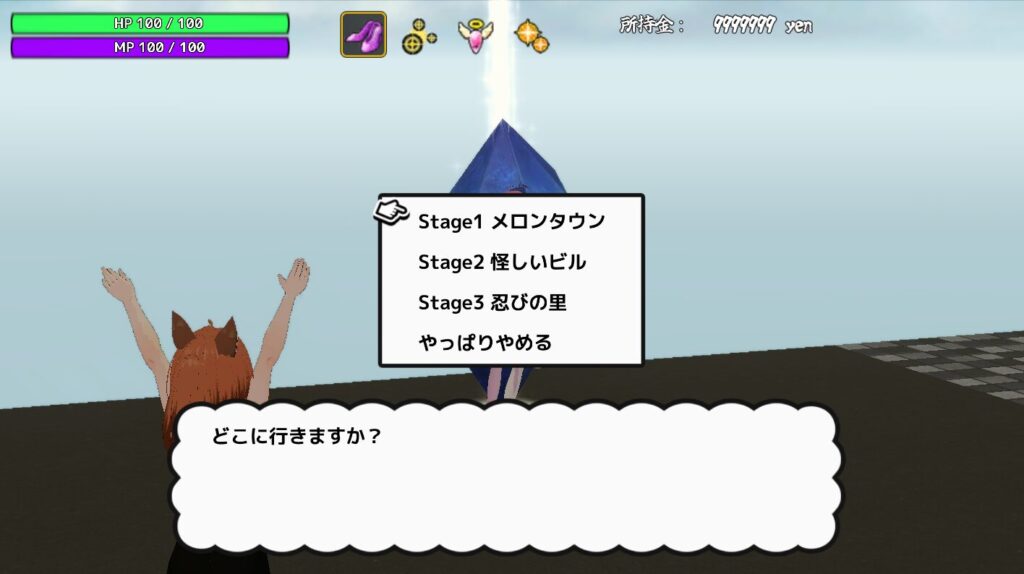
The demo includes 3 regular stages and 1 EX stage. The full game is currently planned to have 9–10 regular stages plus 4–5 EX stages.
Skills
Mina’s available skills change based on her current costume (magical outfit). Changing costumes requires using the Costume Change action. The four currently active skills are shown by icons at the top of the screen.
The icon with a yellow border is the currently selected skill.
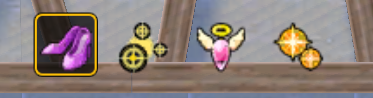
Activating a skill in the state shown uses the leftmost skill “Kick.” Close-range skills like Kick support combo attacks — pressing the skill button again during an attack extends the combo up to three hits.
The default costume’s second skill from the left is “Laser,” a long-range magic attack. The third skill recovers HP and the fourth recovers MP. Recovery skills restore only 10% at a time, so use them in safe positions — using them while surrounded by enemies leaves you vulnerable during the animation.
Other costumes have their own unique sets of four skills — discover them by playing.
Items
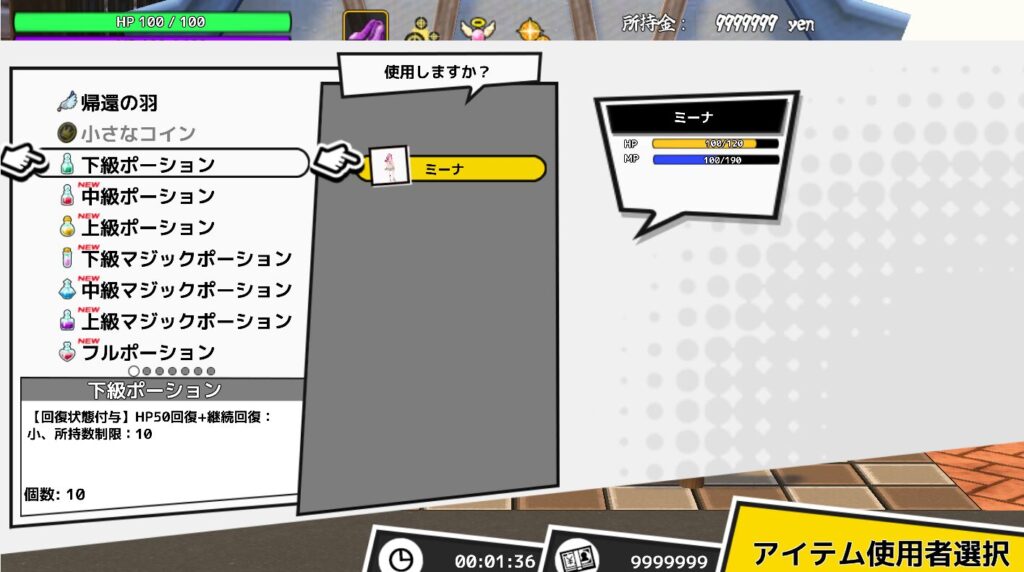
Various recovery items are available to help less experienced action gamers through the game. Potions restore HP instantly and also provide a continuous HP regen effect for 30 seconds. Magic Potions do the same for MP and are especially useful in boss fights where you’re using magic frequently.
Status-curing items and temporary attack/magic power boosts are also available. If a stage feels too hard, try using these.
Equipment
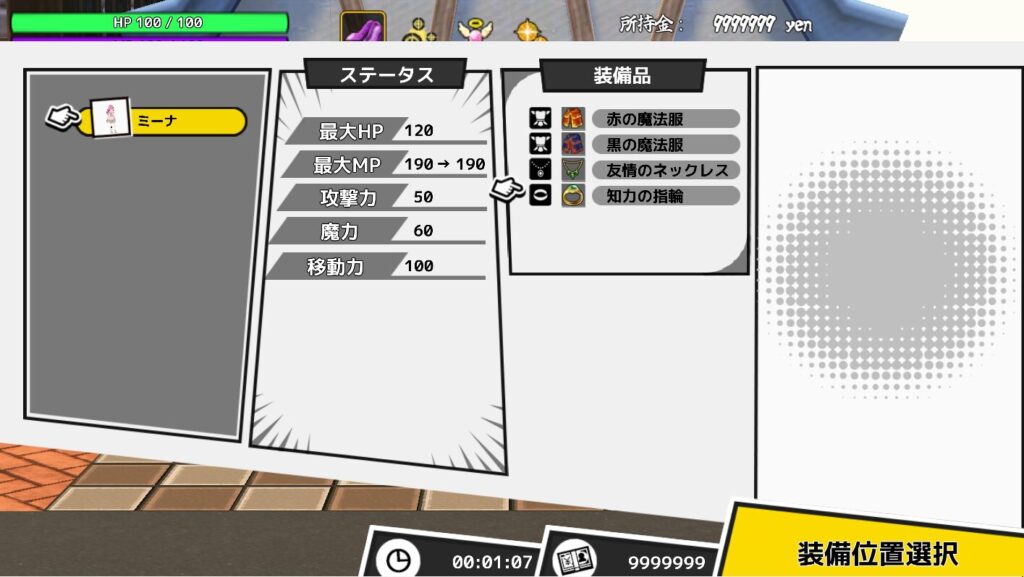
Like a standard RPG, the game features an equipment system for strengthening your character. There are four equipment slots. The top two are for costume (magical outfit) changes. The remaining two slots are for Accessories and Rings, both of which provide straightforward stat boosts. Finding and equipping stronger gear is an important part of progression.
Stat Enhancement
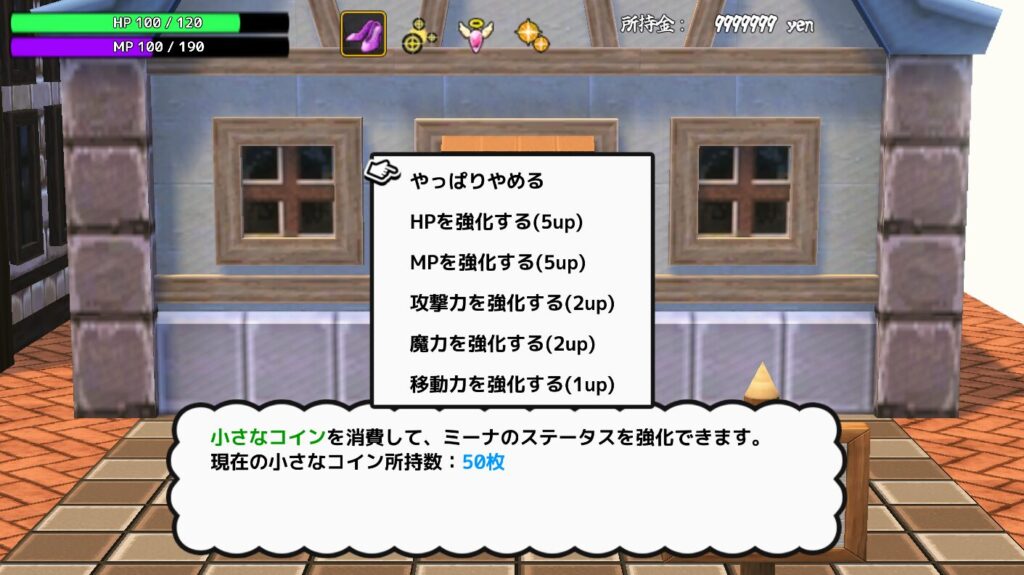
Separate from equipment, you can also improve Mina’s base stats. “Small Coins” collected throughout the game can be spent to incrementally increase base stats. Each upgrade is small, but they add up significantly over time. Base stat upgrades are performed at Mina’s home.
Emotes
The emote system in this game is exceptionally robust — probably among the most extensive of any indie game, and possibly any game in existence. Emotes are divided into two categories: action emotes and facial expression emotes.
Action emotes allow Mina to perform nearly 100 different motions.
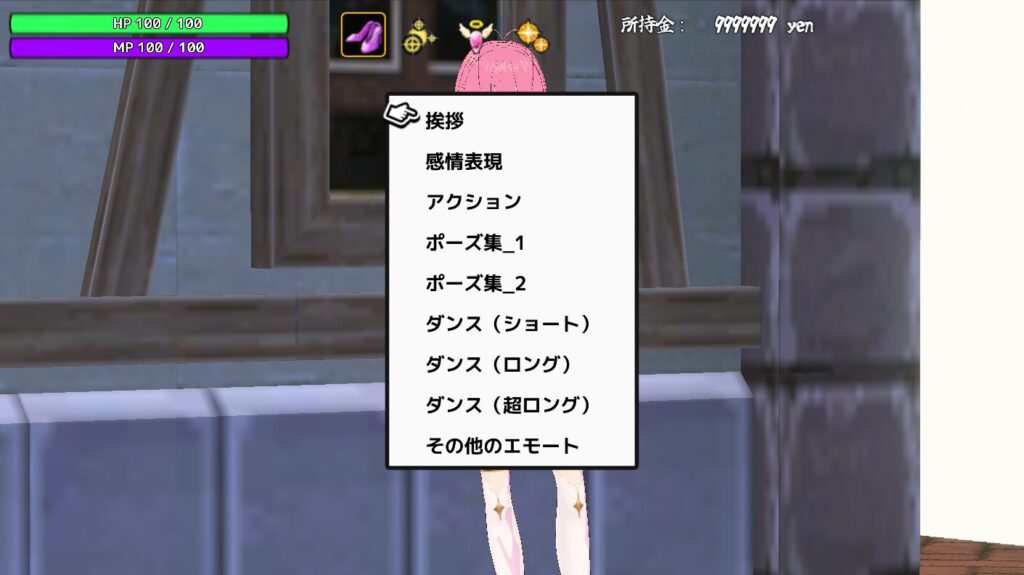
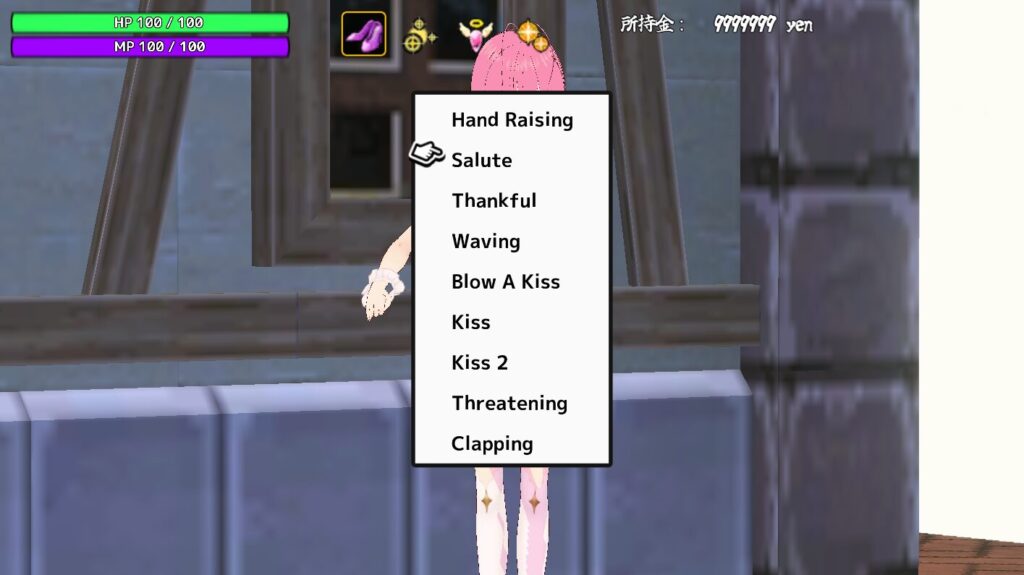
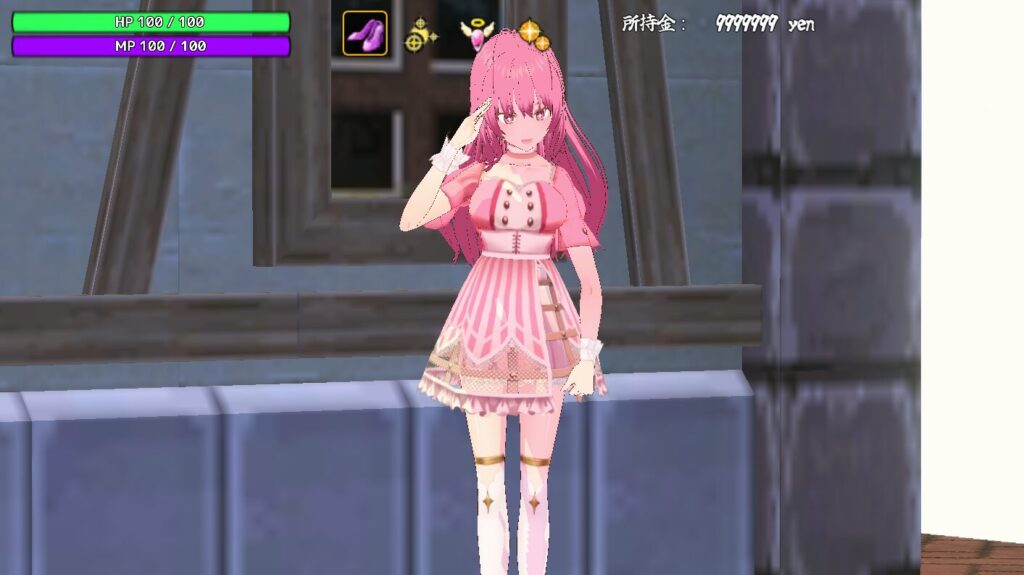
Facial expression emotes go beyond standard happy/angry/sad/surprised faces to include anime-style expressions like the ”>_<” face. With about 20 facial expressions available, you won’t see the same face twice.
Both emote categories can be combined, giving a total of nearly 2,000 possible combinations.
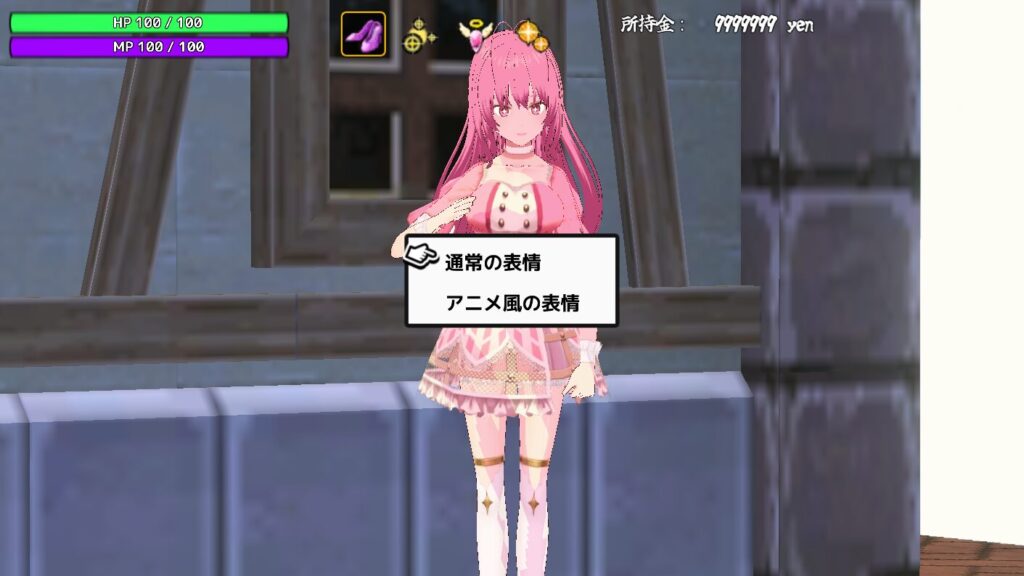
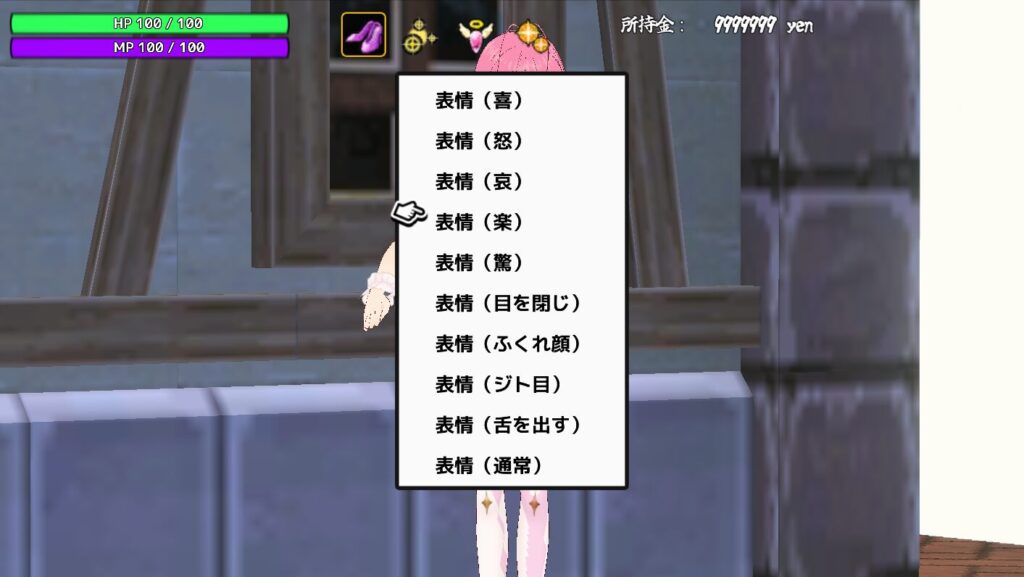
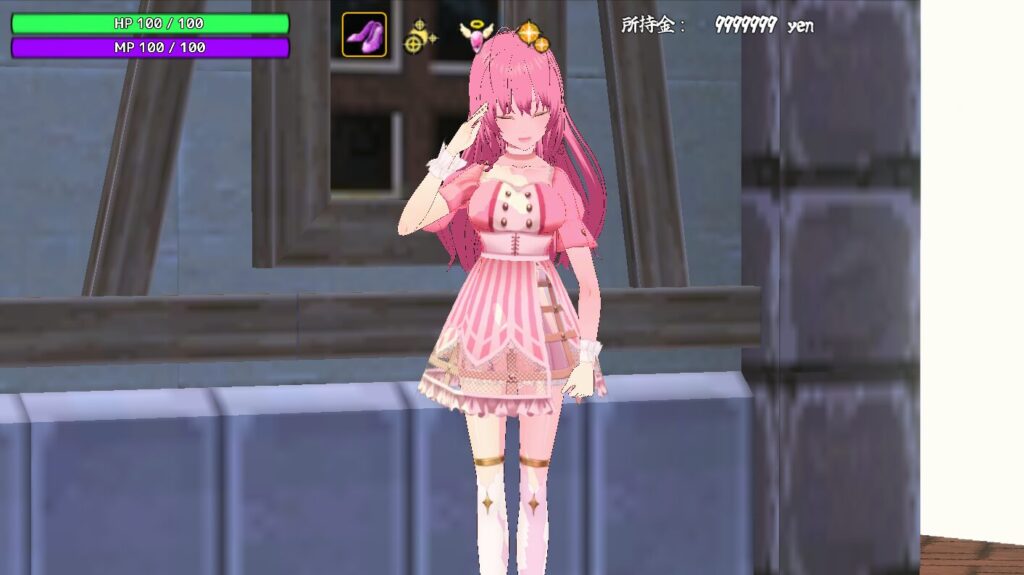
The camera can also be moved relatively freely, letting you view Mina from close up, far away, or any angle you prefer.
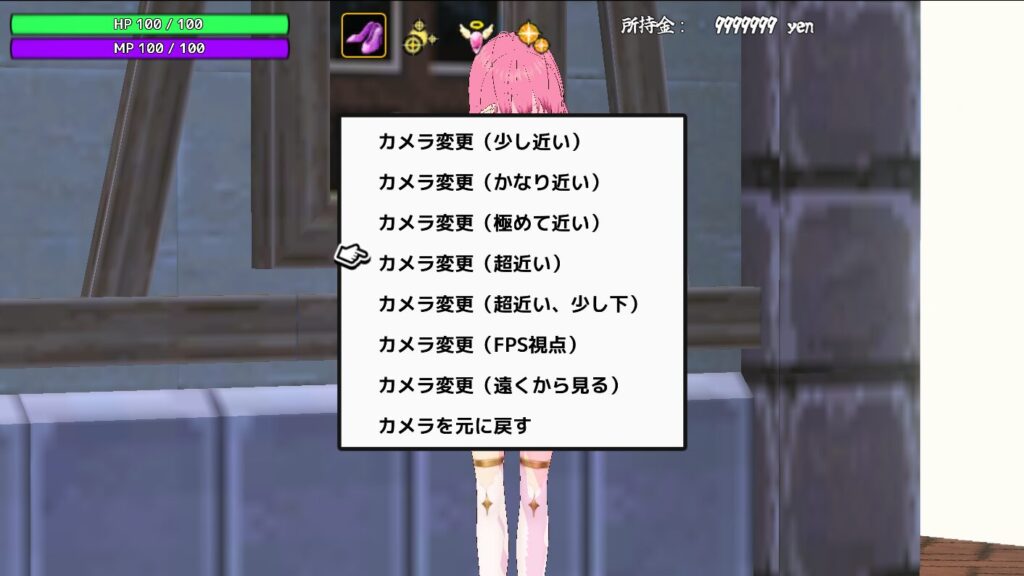
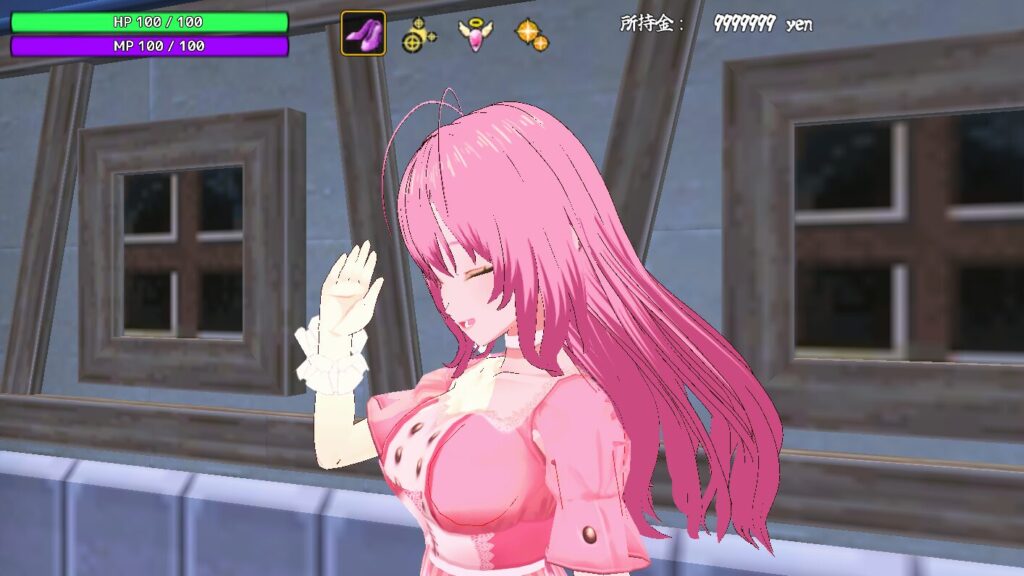
With many costumes available, and the ability to use the same emote system with other characters after completing the main story, the practical combination count is essentially infinite.
I genuinely don’t think a game this flexible with character emotes exists anywhere else. I’m not entirely sure why I built it out this much myself, honestly.
That covers the main game overview. There’s plenty more to say, but the best way to experience it is to play the game directly.
About RPG Developer Bakin
I’d like to close with a note about RPG Developer Bakin, the development tool I used to make this game.
I first encountered Bakin right after its Early Access launch on October 18, 2022. From what I read at the time, it seemed like you could easily create games blending 2D and 3D — I was excited, bought it immediately, and dived in. Looking back at my Steam purchase history, I bought it within a week of release.

So I’m among the earliest Bakin developers by timeline. That said, the reality was different from what I expected, and there were long stretches where I barely touched it — so I’d hesitate to claim true “veteran” status.
My serious return to Bakin development was triggered by the major update on December 18, 2024, which significantly expanded integration with VRoid. Here’s the article I wrote about that update at the time:
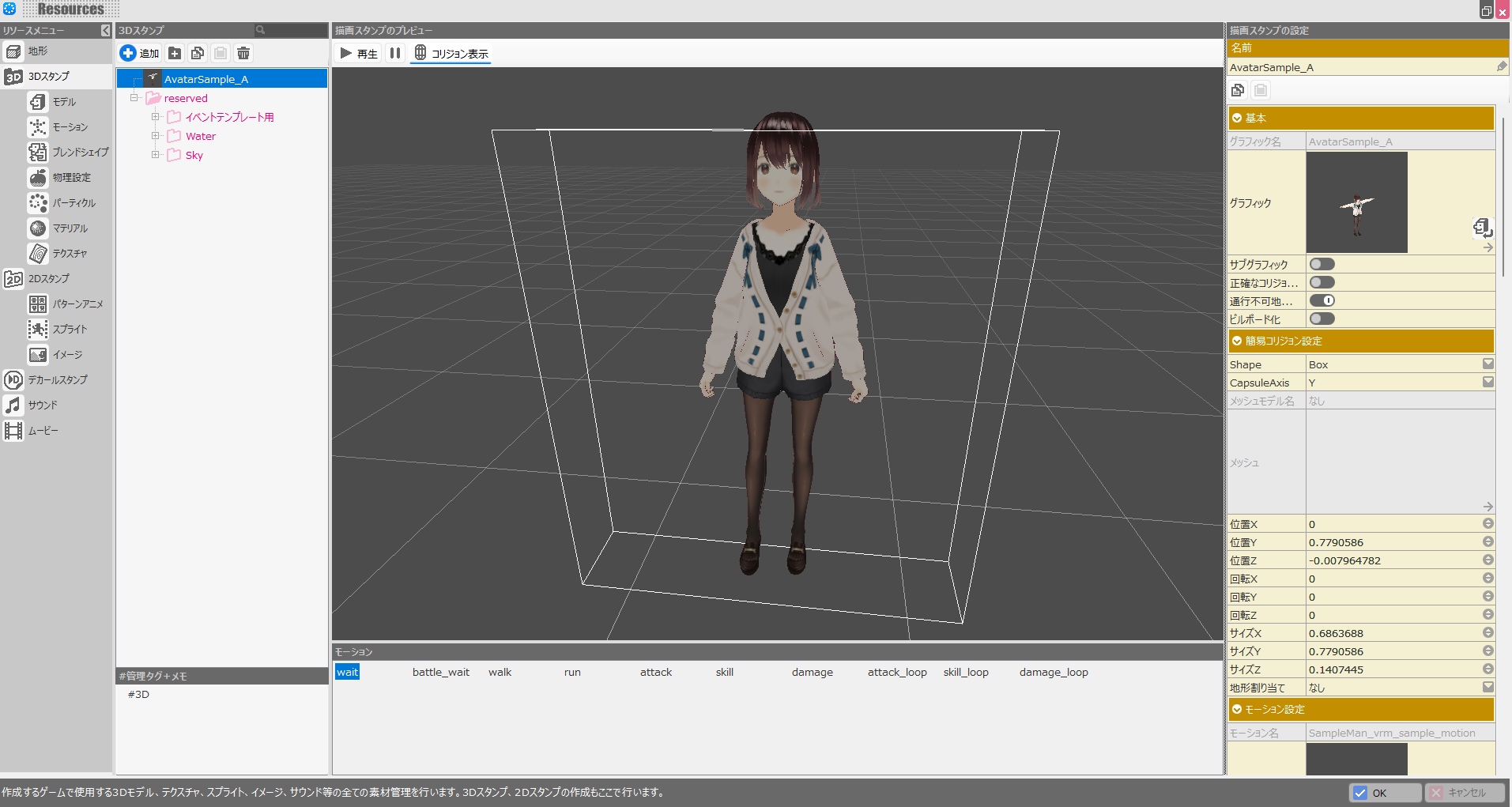
Being able to import cute 3D VRoid characters into games easily made Bakin my top choice for game development. Previously, Unity was the most natural option for VRoid integration, but Unity has a steep learning curve and requires substantial technical knowledge for serious development.
Bakin, by contrast, feels similar to RPG Maker — you can build games with very little prerequisite technical knowledge. It also has strong 3D features built in, since it was originally designed for HD2D-style games, which makes 3D-focused games straightforward to build.
The event scripting and layout flexibility in Bakin is high enough that, with enough effort, you could create just about any genre — action, visual novel, RPG, and more. It’s a remarkably versatile tool.
Given all this, I currently consider Bakin the most accessible tool available for 3D game development.
That said, it’s significantly limited compared to Unity or Unreal Engine in terms of raw features — so if you’re aiming for a complex game, you may hit walls. But for beginners, fewer features means less to learn, which can be a real advantage.
This game was built to make maximum use of Bakin’s capabilities, centering the experience on 3D VRoid characters in an action game context. Bakin wasn’t originally designed for action games, so there are some minor rough edges — but I’m satisfied with the overall result.
Bakin can be used to create all kinds of games beyond what I’ve made here. If you’re interested in game development, I’d encourage you to give it a try. Some related articles from my blog:
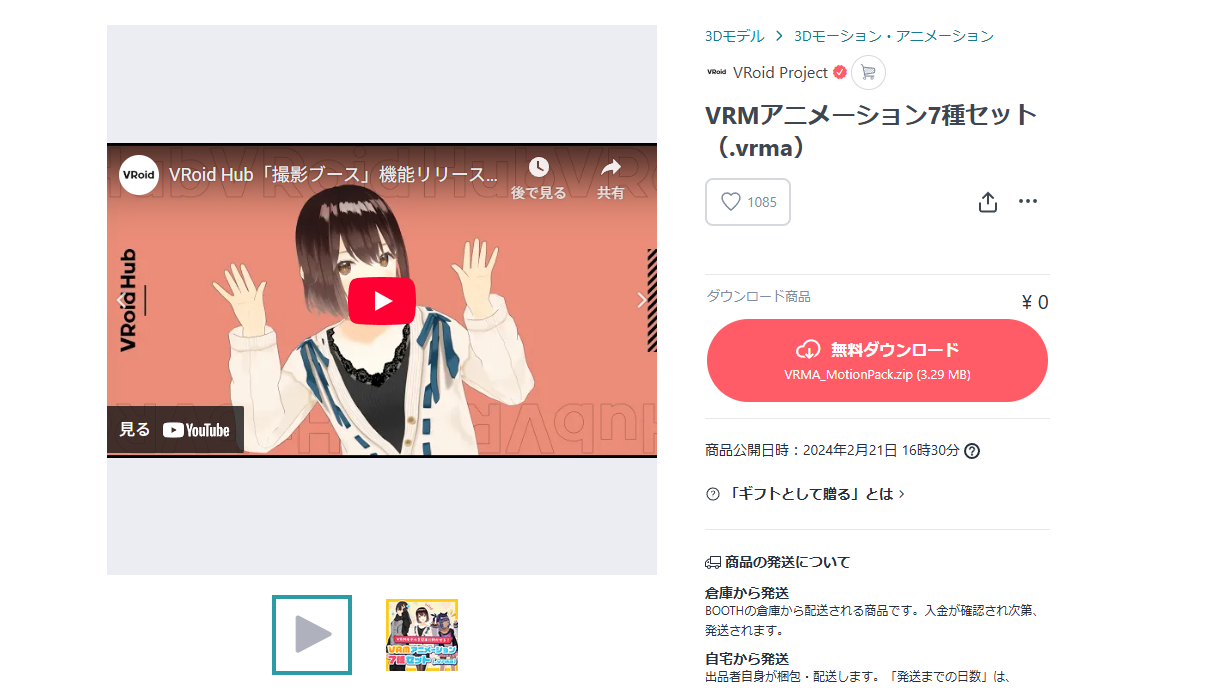
Free Unity 3D Assets with Animations
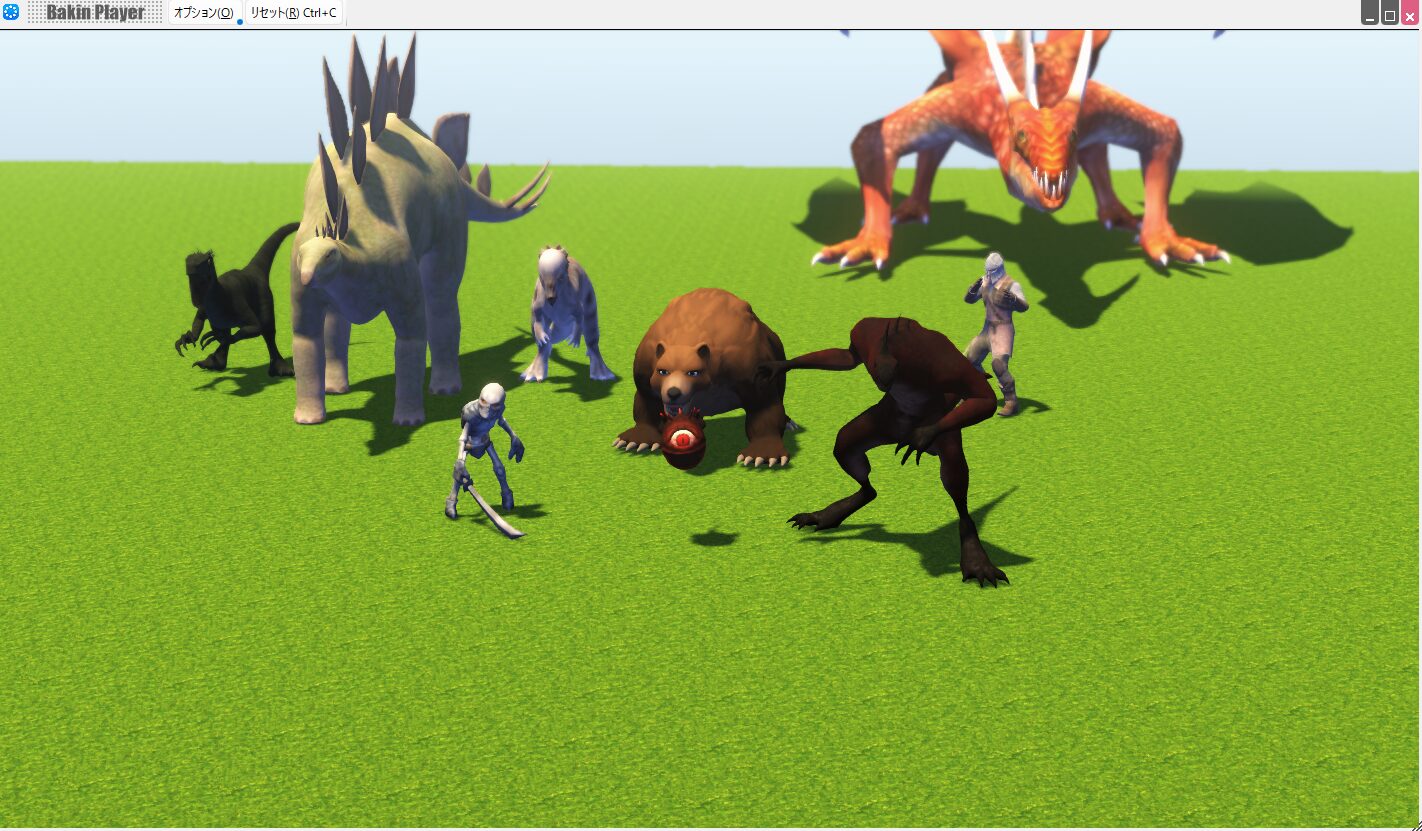
How to Apply VRMA to VRoid Characters in Bakin
Behind the Scenes
That covers the main game and tool introduction. I’ll add more notes here as things develop.
In the meantime — please try the demo. That’s the best way to find out whether this game is for you. Everything below is developer commentary and optional reading.
Why I Focused So Much on Character Cuteness
I’ve been pushing the cute characters pretty hard in this introduction, and there’s a reason for that. (Though it’s also genuinely true that character modeling was one of the most time-consuming parts of development.)
My reasoning: if the visuals can’t attract people first, they won’t play the game.
A well-known developer can draw players with reputation alone. But for a completely unknown developer like me, the first impression has to make someone think “oh, this looks interesting” — otherwise the game disappears into the sea of indie releases without ever being noticed.
No matter how polished the gameplay or how rich the story, none of that matters if no one picks it up in the first place. That’s why I lead with character design — I want as many people as possible to give my game a chance.
(For completely free games, you can ignore all this and just make whatever you want, of course.)
That said, my 3D character modeling skills were still limited during development and I was heavily dependent on VRoid. That’s something I want to improve. I plan to keep studying 3D modeling to create even better characters in the future.
Action Design Philosophy
This game is designed to be completable by beginners. That’s partly because I expect a significant portion of the audience to be drawn in by the visuals rather than a desire for hardcore action — so designing for accessibility makes sense.
The core gameplay intentionally resembles older-style action games: attack and dodge, that’s basically it.
Modern action games often include stamina systems, guard and just-guard mechanics, aiming modes for ranged attacks, combo systems, parrying, 3D traversal mechanics, wall climbing, swimming, aerial gliding, and more. These elements are great for players who specifically want advanced action depth — but I don’t think that matches my audience, so none of them are included.
Overly complex controls raise the barrier to entry and prevent players who aren’t strong at action games from fully enjoying the experience.
That said, “simple” doesn’t mean “boring.” Within the constraint of staying accessible, I’ve added variety in enemy behavior and timing-based challenges to keep both newcomers and veterans engaged throughout.
Development Timeline and the Full Version
I originally planned to build this as a 2-month free game. But true to my own nature, I kept noticing small things to improve, and the scope gradually expanded. The visuals got more attention, character models became more elaborate, and paid assets started being purchased.
I started working seriously on this game in early May 2025, and reaching the demo stage took four full months — far beyond the original estimate.
The full version will take at least another two months from here. Between the extended development time and the cost of assets, releasing it for free wasn’t really viable anymore.
I know many developers would say this kind of “figure it out as you go” approach is problematic — but that’s just my nature, and I don’t think it’ll ever change.
For the full release, the primary platforms I’m considering are Steam and DLsite. Whether to use both or just one is still being decided — I’ll announce once that’s finalized.
Honestly, I don’t expect massive domestic Japanese sales, so I’m leaning toward focusing on Steam for international reach. That would require an English version, so the quality of the localization tools will be a factor.
Also popular with readers