Thank you for visiting. This article is the first installment in a series explaining the original texts of Maya mythology.
This time, I look in detail, following the original text, at the creation myth that the K’iche’ Maya scripture “Popol Vuh” conveys. It is a unique story of how the world began, and how humanity, through repeated failures, was at last made from maize.
For an overview map of the original texts of Maya mythology as a whole, please see this summary article.
The Stillness of the Beginning — the Creator Gods over the Water
The creation of the “Popol Vuh” begins with deep stillness. There was as yet no earth, no mountains, no trees, no creatures, no humans; there was only the hushed sky (heaven) and the endless water (sea).
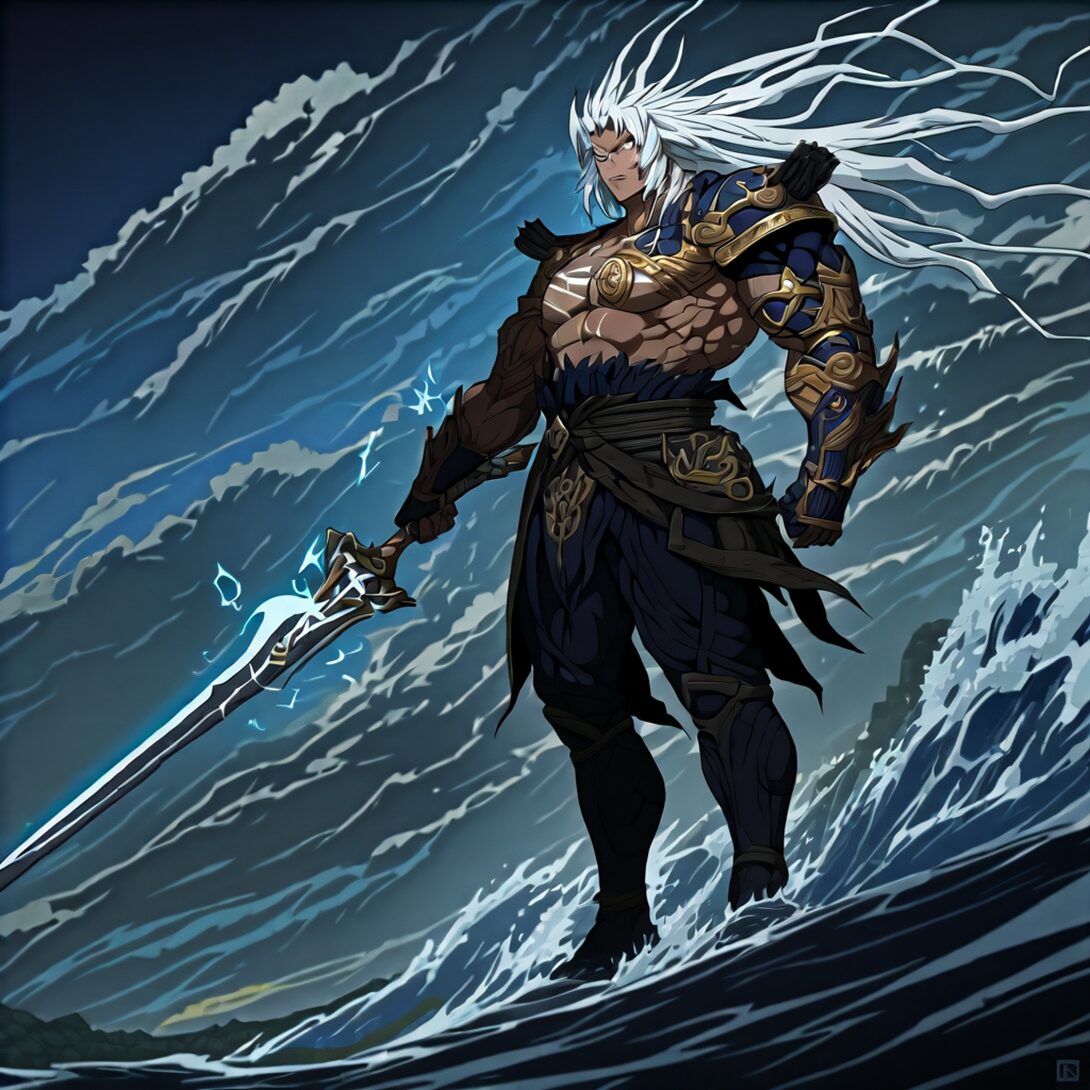
Within that water, creator gods clad in feathers lurked, wrapped in blue and green light. They were “Tepeu (the Sovereign)” and “Kukulkan (Q’uq’umatz = the feathered serpent).” And in the heaven was a god recalling thunder, “Hurakan (the Heart of Heaven).” This Hurakan was held to hold together three figures (the three thunderbolts) — lightning, thunderbolt, and thunderclap — and is also said to be the origin of the English word for typhoon, “hurricane.”
The gods talked together, consulting on what to do with the dark world of water. And they began to create the world by a decisive method. It was “word.”
When the gods spoke “Earth,” the earth rose up from within the water, mountains towered, valleys were carved, and rivers flowed out. Merely by uttering words, the world came to take form one after another. This form of creation, “generating the world by speaking,” is a motif common to the world’s mythologies, resonating with Mesopotamia’s Marduk, Egypt’s Ptah, and the Bible’s “let there be light.”
Let me put into a diagram the flow of the “Popol Vuh” creation traced in this first installment.
The Creation of the Animals — Those Without Speech
When the earth was made, the gods next created the animals dwelling in the mountains and forests. Deer, birds, jaguars, serpents — they set a dwelling for each.
But the gods had one wish. It was that they wanted beings to call their names, revere them, and sustain them. So the gods commanded the animals: “Now, speak. Call our names, and praise us.”
But the animals only cried and howled, and could not speak. Nor could they revere the gods. The disappointed gods told the animals: “You will be remade. Your flesh will be eaten, and you will be fated to be killed.” Thus animals became beings hunted and eaten by humans, the original text explains. The gods, not giving up, decided to seek another way.
The People of Mud, and the People of Wood
Next, what the gods tried was making people from mud (earth). But the finished “people of mud” were clearly imperfect. Their bodies crumbled softly, their necks would not turn, and their faces stayed facing one way. Above all, when they touched water, they at once dissolved. Though they could speak, they had no thought. The gods broke them and decided to start over.
So the gods consulted the old couple gods who govern divination, “Xmucane” and “Xpiyacoc,” and this time decided to make people from wood. The “people of wood” came out much more human-like. Having limbs, they made children, built houses, and increased on the earth.
But something decisive was lacking. They had no “heart (soul)” and no “memory.” The people of wood neither remembered the gods who made them nor revered them. They were beings that only moved about hollowly.
The Destruction of the People of Wood — the Rebellion of Tools and Animals
On the people of wood who forgot the gods, the gods at last brought down punishment. The Heart of Heaven, Hurakan, made a black rain (a rain of resin) fall on the earth, raising a great flood.
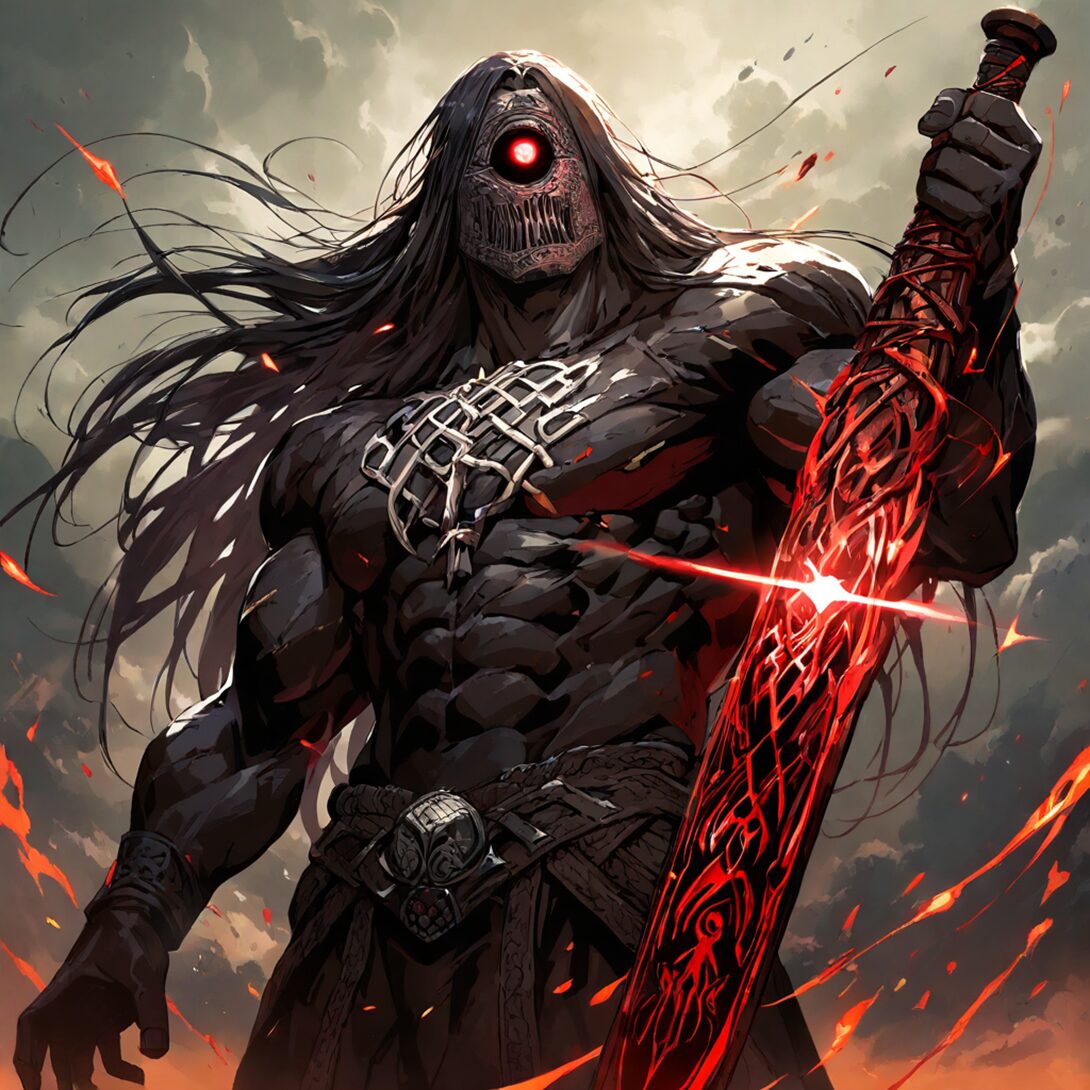
This scene of destruction is especially striking even within the “Popol Vuh.” From the sky descended fearsome monsters — those who gouge out eyes, those who cut off heads, those who eat flesh, those who crush bones — and attacked the people of wood. Not only that. Astonishingly, even the tools and animals the people of wood had until then treated roughly all rebelled at once. The grinding stones that had been ground endlessly, the cooking pots that had been blackened with soot, the dogs and turkeys that had been driven about — each voiced their grudge and attacked the people of wood. “You tormented us. Now it is our turn to torment you,” they said. Even tools have a heart, and treating them shabbily brings retribution — it is a richly flavored passage that lets one glimpse how the Maya people saw the things around them.
The fleeing people of wood were not saved even by climbing trees or hiding in caves. The few who survived fled into the forest and became “monkeys,” it is told. That the monkeys in the forest resemble humans is for this reason, the original text explains. The Maya view of humanity appears here — “those without a heart cannot continue as humans.”
The Humans of Maize — the Fourth Creation
After repeated failures, the gods at last reached the right answer. It was “maize,” the staple food that has supported the life of the people of Mesoamerica.
As the dawn drew near, four animals — fox, coyote, parrot, and crow — told the location of the “Mountain of Sustenance (Paxil and Cayala),” where white maize and yellow maize ripened richly. So the old goddess Xmucane ground that white and yellow maize many times into powder in a stone mortar, kneaded it to make dough, and at last shaped the human body. The maize powder became human flesh, and the rinse water from grinding it became human strength (blood). In the point that they were made from white and yellow maize, the Maya worldview that makes maize the source of life is well expressed.
The first humans made this way were four men: “Balam Quitze,” “Balam Acab,” “Mahucutah,” and “Iqui Balam.” They were entirely different from the previous failures. They could speak, revered the gods, and offered thanks. That the Maya people thought of themselves as “the humans of maize” is clear from here.
Humans Too Perfect — the Gods Cloud Their Sight
But the first humans were made too perfectly. They were granted extraordinary wisdom and saw through to every corner of the world, understanding all of heaven and earth just like the gods.
Seeing this, the gods grew worried. “If humans come to know all and see through all as much as we do, will they not come to no longer need us?” So the gods blew mist onto the humans’ eyes and clouded their sight (intellect). Like breathing on a mirror to fog it, they limited the range humans could see through to only near things.
This passage depicts the universal theme that “humans must not draw too close to the gods,” also resonating with the Bible’s tale where Adam and Eve eating the “fruit of knowledge” and drawing near to God was feared. Finally, the gods made four women for the four sleeping men and made them their wives. Thus humanity came to increase its descendants.
Why “Maize”?
The most memorable thing in the “Popol Vuh” creation is the point that humans were made from maize. This is not mere fancy.
For the people of Mesoamerica, including the Maya, maize was the most sacred crop, supporting life itself. People lived by eating maize, and made cultivating its fields the center of life. The myth that “we are made of maize” tells that humans and the earth’s blessing that sustains them are literally one. Precisely for this, in the story of the hero twins seen in the next Article 2, the death and rebirth of the maize god (the humans’ father) runs through the core of the story.
To Learn More
Conclusion
In this article, I explained in detail the Maya creation myth that the “Popol Vuh” conveys, following the original text. How was it?
The creator gods Tepeu and Kukulkan over the water generated the world by word, and, after piling up failures with animals, people of mud, and people of wood, at last made humans from maize. This story holds the deep respect for nature and life of the Maya people, who thought of themselves as “the humans of maize.”
In the next Article 2, I will explain the grand story in which the hero twins Hunahpu and Xbalanque, who are active hereafter, challenge the underworld Xibalba.
I hope you’ll read the next article too.
Also popular with readers
📚 Series: The Original Texts of Maya Mythology (2/5)