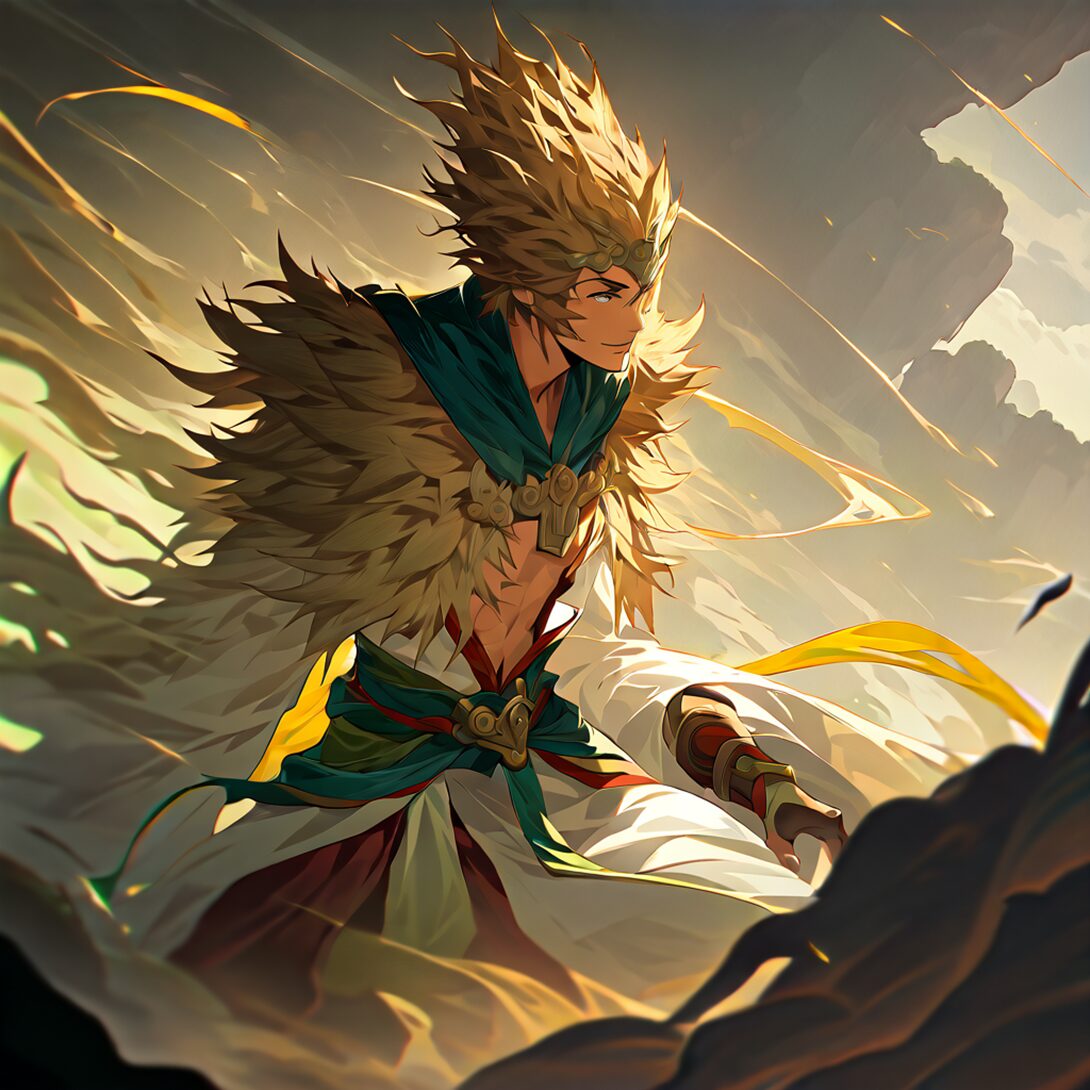
The Debate Over the Strongest in Chinese Mythology
The world is home to a vast array of mythologies, religions, and legends, but Chinese mythology — famous for Sun Wukong of “Journey to the West” — is fascinating for its sheer range of beings, from concept-level supreme gods to martial heroes.
I previously created an overall power ranking covering all mythologies, religions, and legends, and many gods and heroes from Chinese mythology and Taoism made the list.
Building on that earlier ranking, I have now created a separate ranking focused exclusively on Chinese mythology and Taoism.
Keep in mind that this ranking reflects my own subjective judgment and is not definitively correct — and no one could ever create a ranking that is absolutely correct, so it is only natural that many different opinions exist.
I encourage you to come up with your own ranking, and I would love for you to share your results with me as well!
What Is Chinese Mythology & Taoism?
Chinese mythology accumulated over a very long history, so rather than a single system it is a broad worldview blending ancient myth, Taoist theology, and stories such as “Journey to the West” and “Investiture of the Gods.”
Especially important is Taoism. In Taoism the fundamental principle of the universe is called the “Dao (the Way),” and mastering it allows one to become immortal, command fire and water, and even interfere with concepts like time and space.
At the apex of Taoism stand the “Three Pure Ones” (Yuanshi Tianzun, Lingbao Tianzun, and Taishang Laojun), supreme deities who are almost concept-level, primordial beings.
Meanwhile, the charm of Chinese myth also lies in overwhelmingly martial figures like Sun Wukong and Nezha. This ranking is characterized by that mix of concept-level gods and pure fighters.
Note: here “Journey to the West” is treated as part of Chinese mythology, while “Investiture of the Gods” — which diverges greatly from the myths — is treated as a novel. Also, the Pure One Lingbao Tianzun, the deified “Dao” itself, is an unchanging conceptual being who cannot even engage in combat, so it is excluded from this ranking.
Power Ranking (Chinese Mythology & Taoism)
Let’s now announce the ranking from the lowest position upward. The ranking focuses primarily on beings who have scenes that clearly demonstrate their power.
Also note that Chinese mythology contains many lesser-known but powerful beings, so this ranking centers on the well-known figures. Please keep that in mind.
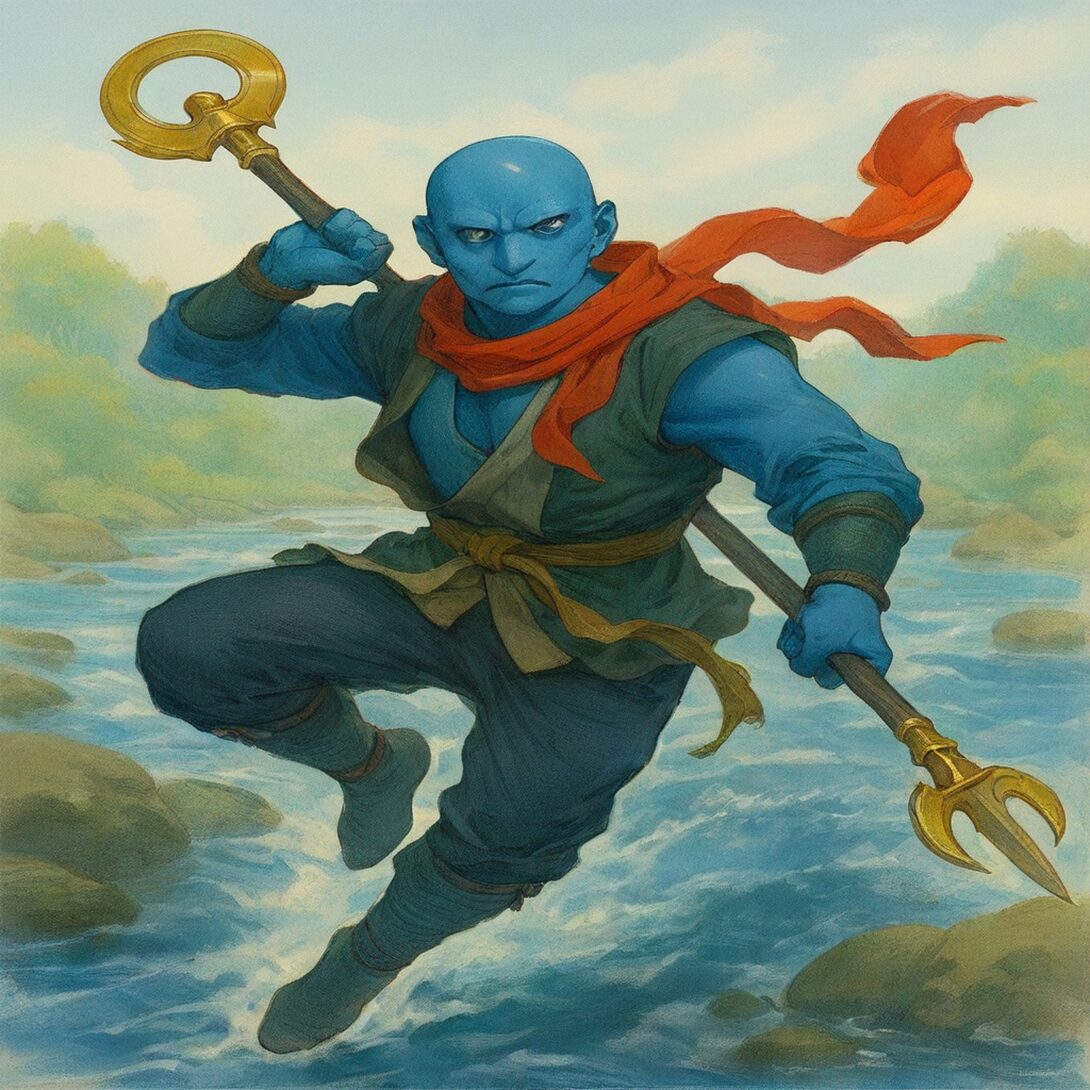
Rank 9: Sha Wujing (Overall Ranking: #82)
Sha Wujing of “Journey to the West” was once the high-ranking heavenly general “Curtain-Lifting General.” He mostly guards Tang Sanzang and rarely fights.
Still, wielding the roughly 3-ton “demon-subduing staff” with ease shows superhuman strength. He fights Zhu Bajie to a draw, but only on his favorable watery ground, so his true ability rates a bit below him.
For details, please refer to the following article.
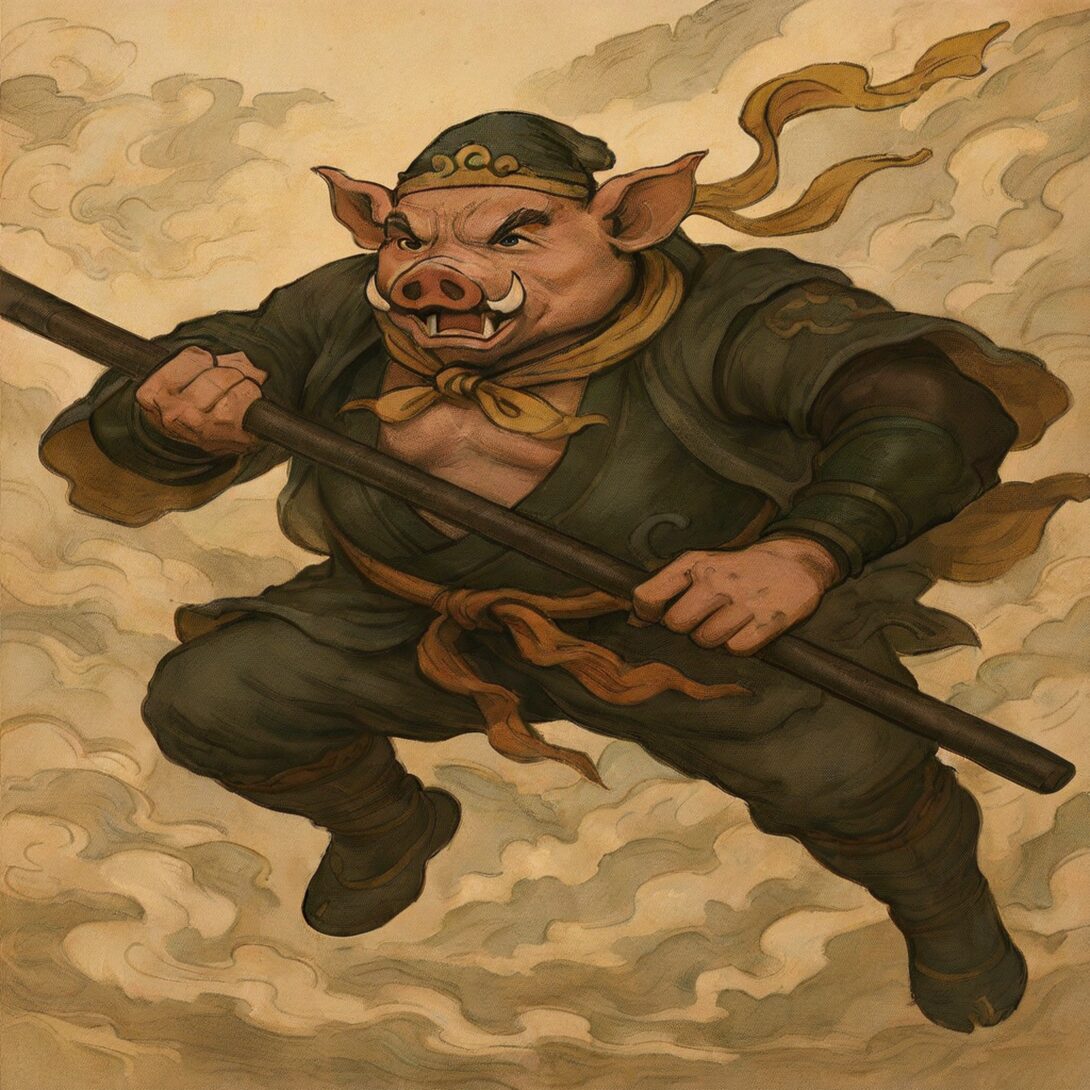
Rank 8: Zhu Bajie (Overall Ranking: #81)
Zhu Bajie has a comic image, but as the former “Marshal of the Heavenly Reeds” he is a genuine heavenly-general-class fighter.
Swinging his roughly 3-ton “nine-tooth rake,” he can shatter mountains and raise firestorms, and in raw power he can hold his own against upper-god-class foes. But his immortality is low and he is careless, so he sits here.
For details, please refer to the following article.
Rank 7: Hou Yi (Overall Ranking: #76)
Hou Yi, called the greatest hero of Chinese myth, is the legendary archer who shot down nine of the ten suns scorching the earth.
He also slew many mighty monsters, placing him certainly above an ordinary war god. But killed by his own student’s surprise attack, his immortality is merely human — his defense far weaker than his offense.
For details, please refer to the following article.
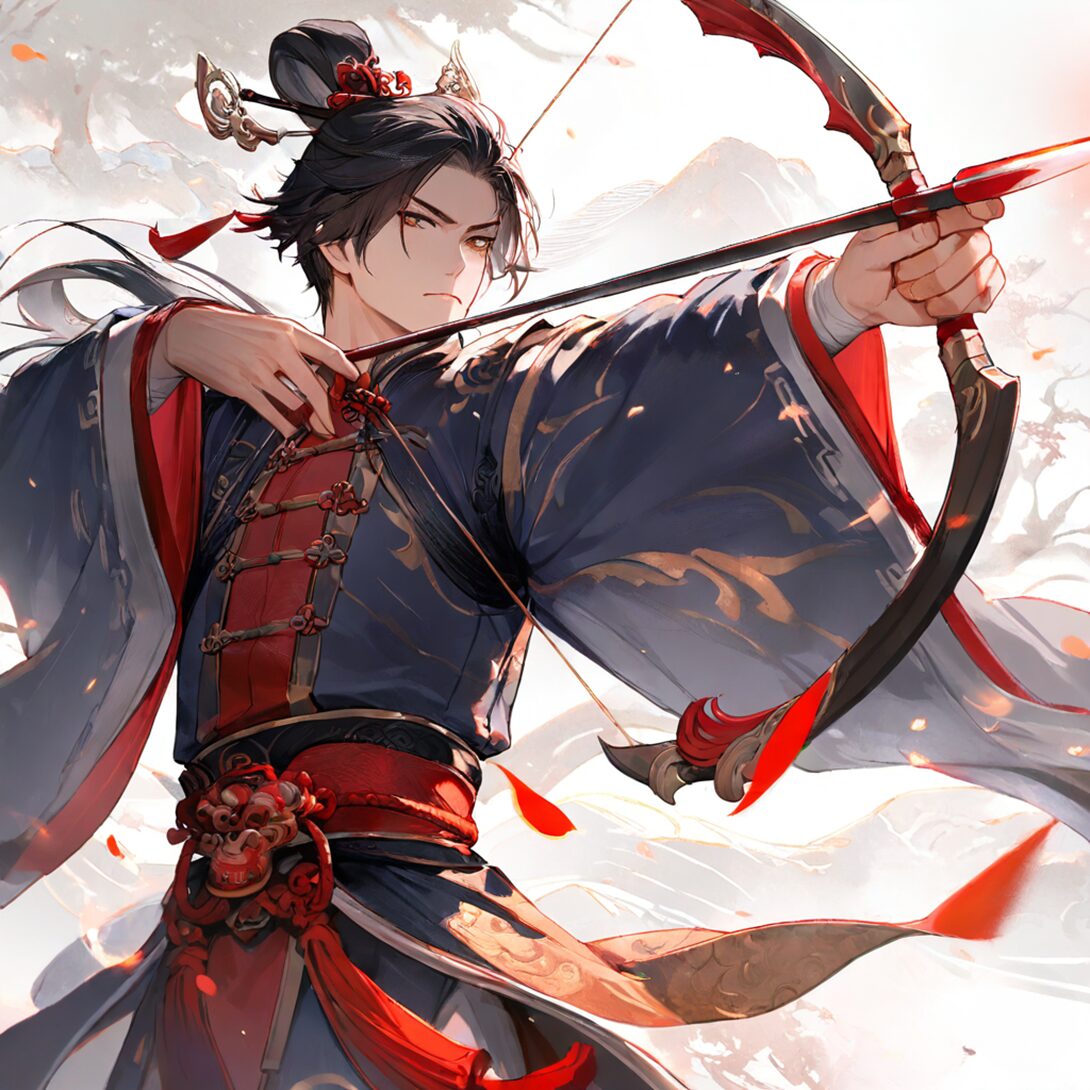
Rank 6: Nezha (Overall Ranking: #58)
Nezha is a boy war god who slew dragon kings just days after birth. After once dying, he was revived by the Buddha as a lotus incarnation, becoming immortal.
Wielding many treasures — the Fire-tip Spear, the Universe Ring, the Wind-Fire Wheels — and the three-head-six-arm power, he overwhelms ordinary war gods. But having lost twice to Sun Wukong, he falls just short of him.
For details, please refer to the following article.
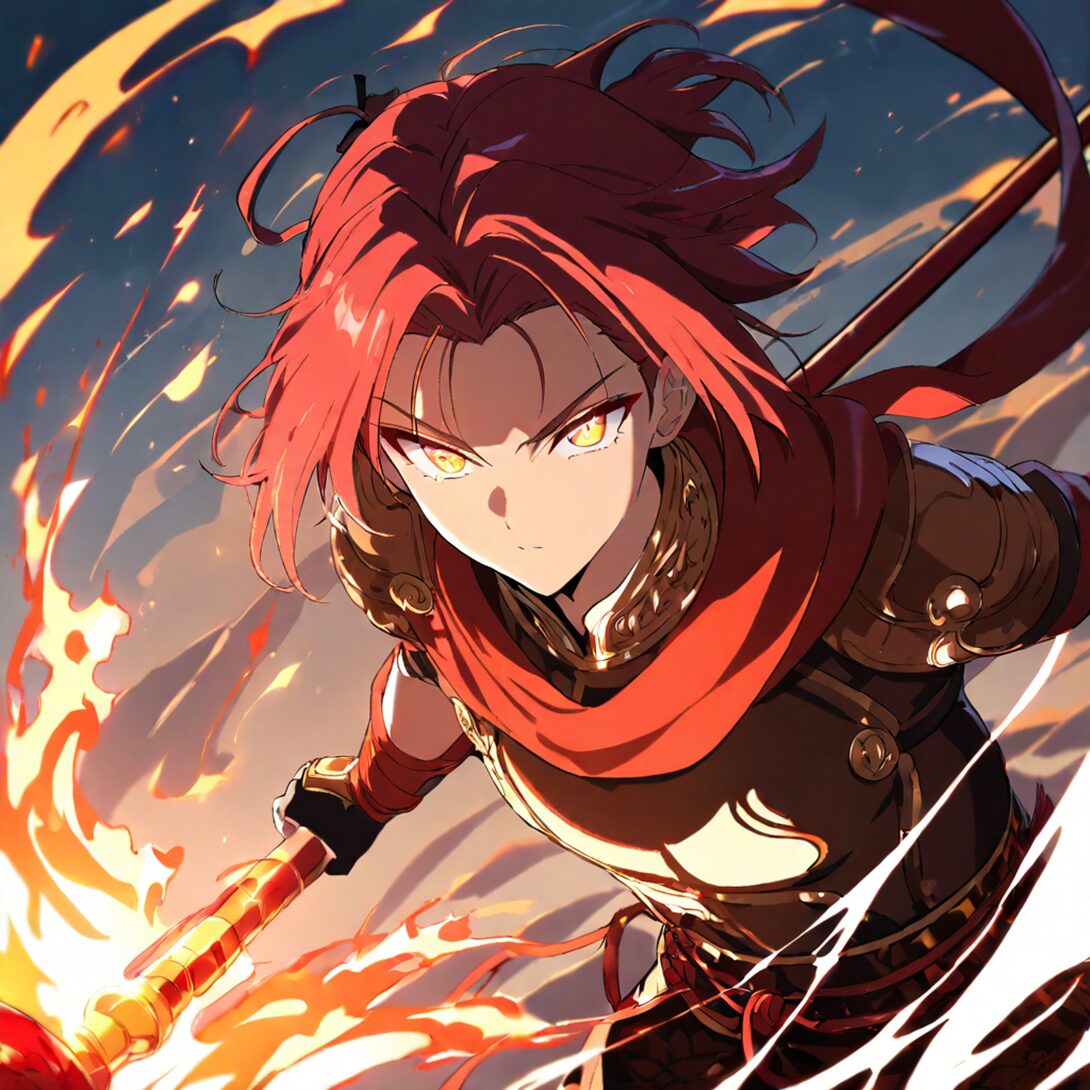
Rank 5: Jade Emperor (Overall Ranking: #56)
The Jade Emperor is the supreme god of heaven in Chinese myth and Taoism, maintaining cosmic order (though ranking below the Three Pure Ones).
Mostly a symbol of authority who never fights directly, his rise to the supreme throne through cultivation implies Taoist arts able to overwhelm most war-god-class beings. But unable to handle Sun Wukong and turning to the Buddha for help, he rates a tier below pure fighters like Erlang Shen.
For details, please refer to the following article.
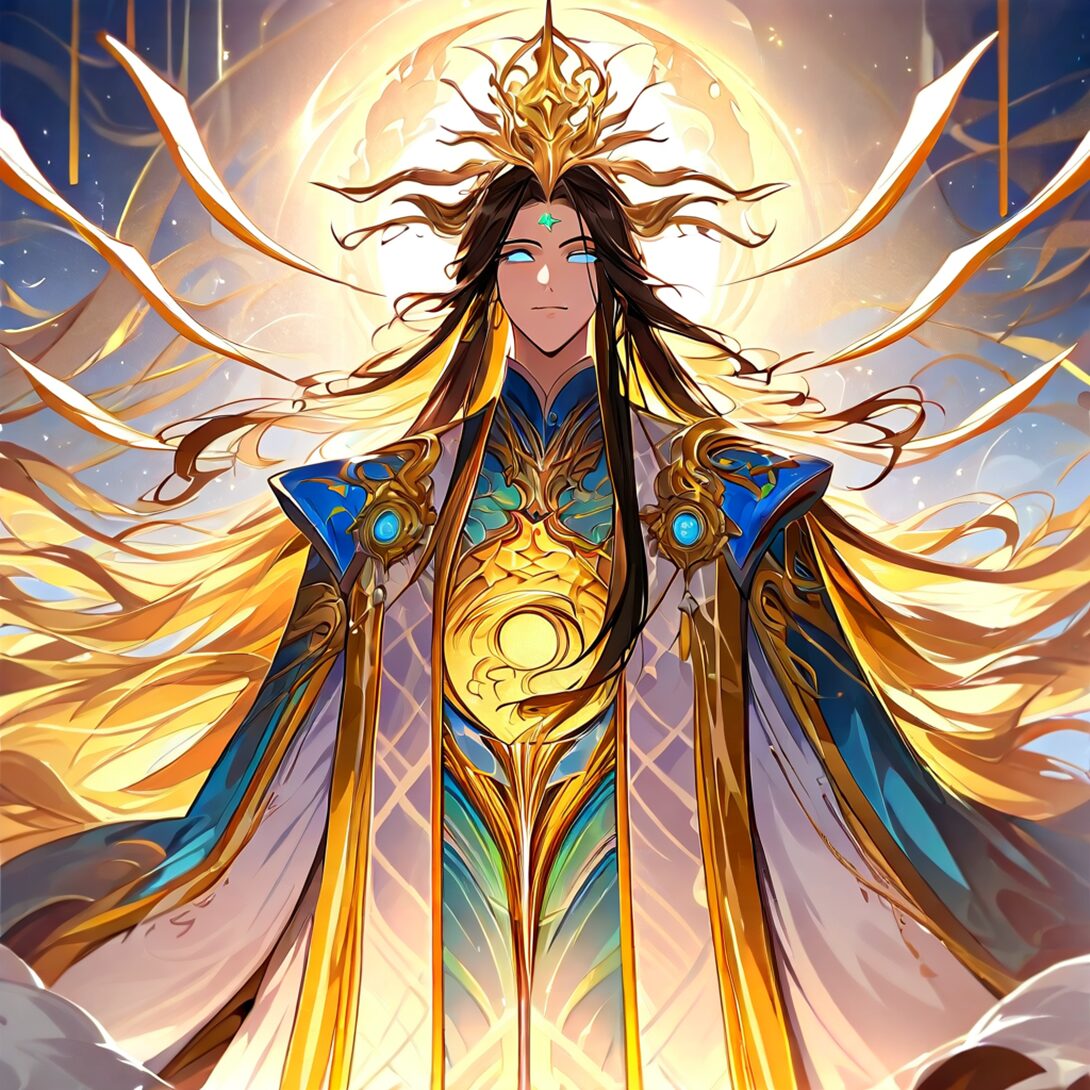
Rank 4: Sun Wukong (Overall Ranking: #43)
The most famous figure of Chinese myth, Sun Wukong is the “strongest monkey born from stone.” Through mastery of Taoist arts plus the peaches and elixir of immortality, he has layered, abnormal immortality — none of heaven’s gods could kill him.
With the 8-ton Ruyi Jingu Bang, the somersault cloud that crosses the globe in an instant, and army-spawning clones, he boasts top-class stats even among the world’s myths. Only the very highest-tier gods can defeat him.
For details, please refer to the following article.
Rank 3: Erlang Shen (Overall Ranking: #42)
Erlang Shen, a god of flood control, is depicted in “Journey to the West” as the strongest general of heaven.
Where 100,000 heavenly soldiers and many gods failed against Sun Wukong, Erlang Shen fought him one-on-one with a slight edge and finally captured him. With his third truth-seeing eye and the 72 transformations, he is an all-rounder strong in both direct combat and trickery. He lacks Sun Wukong’s freakish immortality, but by this ranking’s criteria he is placed above him.
For details, please refer to the following article.
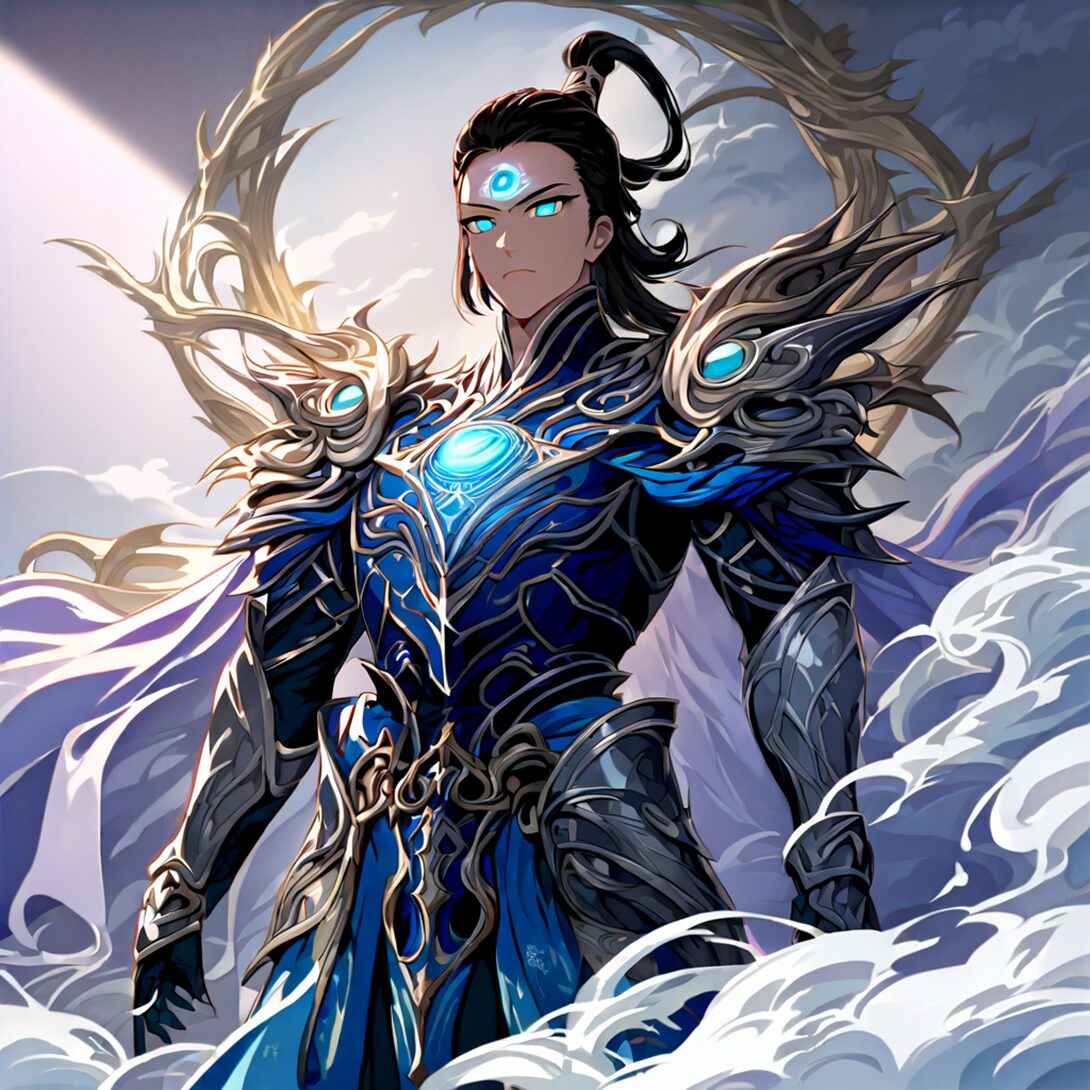
Rank 2: Taishang Laojun (Overall Ranking: #12)
Taishang Laojun is one of the “Three Pure Ones,” the supreme Taoist deities — an old master who has perfected the cosmic principle “Dao (the Way),” and the one Pure One who often appears on earth.
Having mastered the Dao, he can collapse the entire universe and interfere with the concepts of time and space — nearly omnipotent. But he cannot alter or destroy the Dao itself, so he ranks below a transcendent god able to rewrite cosmic law — though he undoubtedly holds power approaching one.
For details, please refer to the following article.
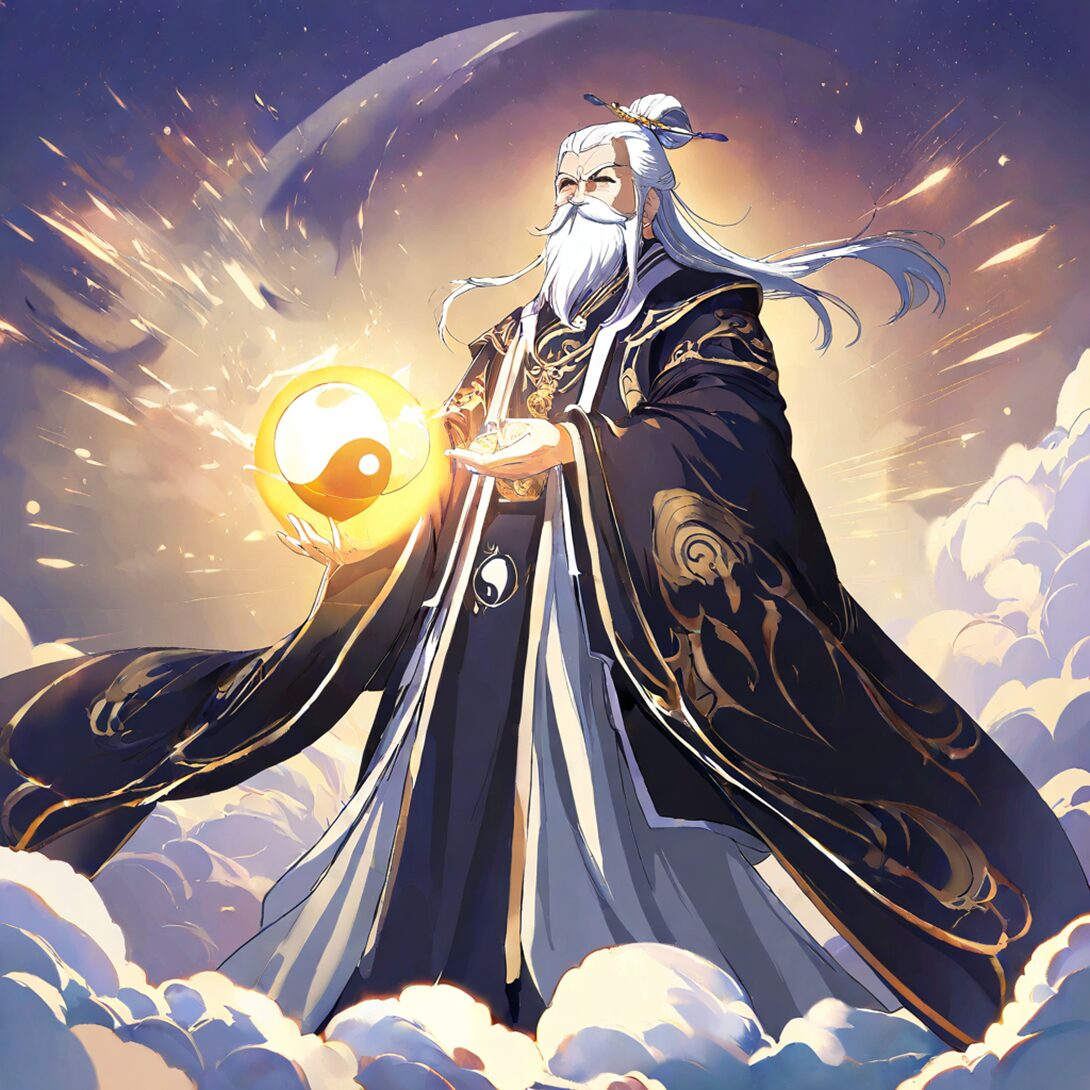
Rank 1: Yuanshi Tianzun (Overall Ranking: #7)
At the apex of Chinese myth and Taoism stands Yuanshi Tianzun, foremost of the Three Pure Ones. He is the deification of “Taiyuan” — the primordial existence that predates the birth of the universe — coming before all things, matter, concepts, time, and space.
With no concept of death, and being the very root of the cosmos, he is essentially impossible to defeat, and no god can even meaningfully contest him. At #7 overall, he wields concept-level power; his only weakness is that control over the “Dao” itself belongs to the other Pure Ones.
For details, please refer to the following article.
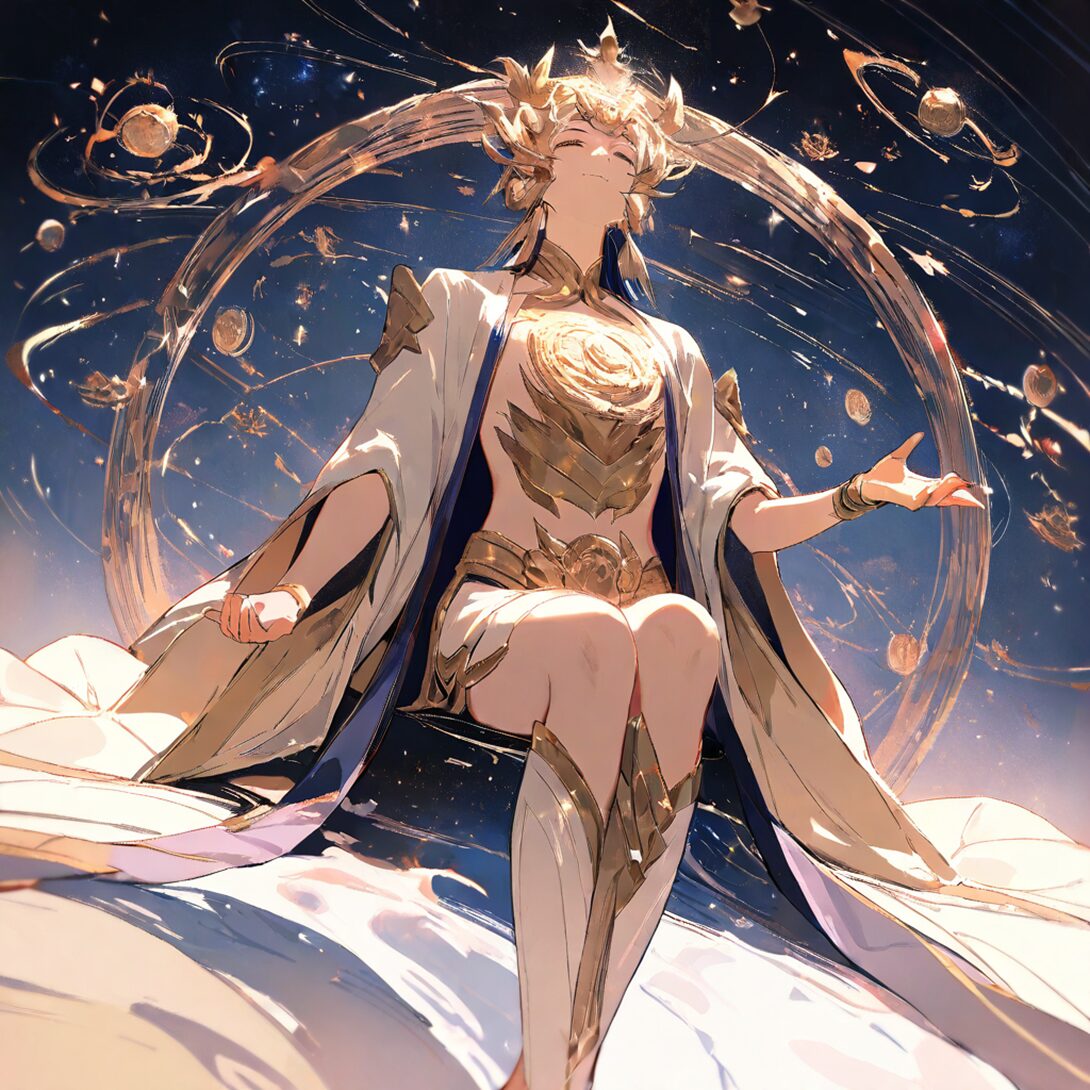
Summary
This ranking was created by focusing exclusively on Chinese mythology and Taoism within the larger overall ranking that covered all mythologies, religions, and legends.
The appeal of Chinese mythology lies in its extreme range — concept-level gods who are the very root of the cosmos, like Yuanshi Tianzun and Taishang Laojun, coexisting in the same mythology with hyper-martial figures like Sun Wukong and Nezha.
The top Three Pure Ones in particular break into #7 and #12 overall with concept-level power, showing that, alongside Indian mythology, Chinese mythology operates on a grand scale. At the same time, a being like Sun Wukong — a fighter whose abnormal immortality troubles even the highest gods — is a major draw of its own.
Chinese mythology has many gods, immortals, and heroes, and even beyond those featured here, powerful beings remain. Evaluating all of them in full would have been quite the undertaking, so I plan to expand the ranking over time as opportunities arise.
Going forward, I intend to create similar individual rankings for other mythologies and religions as well, so feel free to check back if you are interested.
Other Rankings
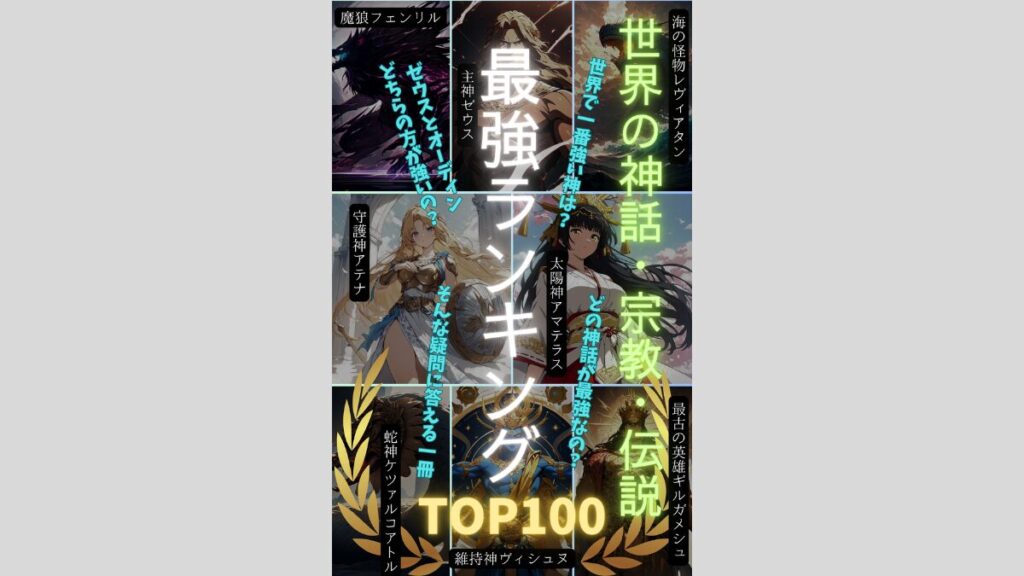
Purchase the Book Here
Other Popular Articles
How Indie Developers Can Sell Their Games on Steam - Senko’s Activity Log
Also popular with readers
📚 Series: Power Rankings by Mythology (6/7)