Thank you for visiting. This article is the second installment in a series explaining the original texts of Zoroastrianism.
This time, I look at the core of Zoroastrianism’s teaching, “good-evil dualism,” and, together, how it is practiced day by day — religious life such as the three virtues, fire worship, and the Tower of Silence.
For an overview map of Zoroastrianism’s original texts as a whole, please see this summary article.
Ahura Mazda — the Lord of Wisdom
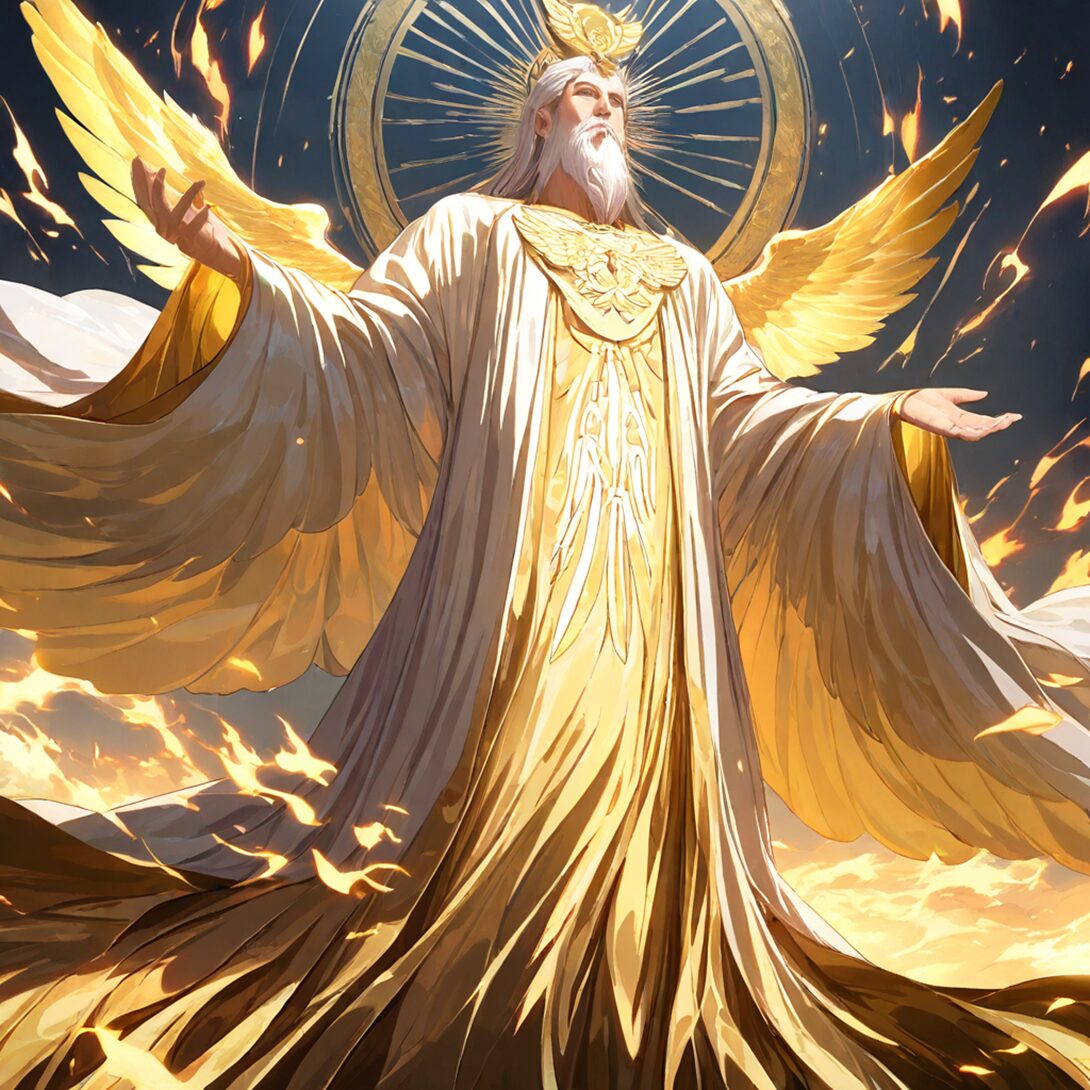
Zoroastrianism’s supreme god is “Ahura Mazda.” The name means “Lord (Ahura) of Wisdom (Mazda).”
Ahura Mazda is the creator god who made heaven, earth, and humans, and is light, truth, good, and life itself. He is not represented by a visible idol, but is often symbolized through the sacred fire or light. Incidentally, the name of the carmaker “Mazda” is known to derive, in addition to the founder’s surname, also from this god of wisdom, Ahura Mazda.
The Battle of Good and Evil — the Structure of Dualism
Decisively important in Zoroastrianism’s worldview is the point of grasping the world as “a battlefield where two fundamental powers, good and evil, clash.”
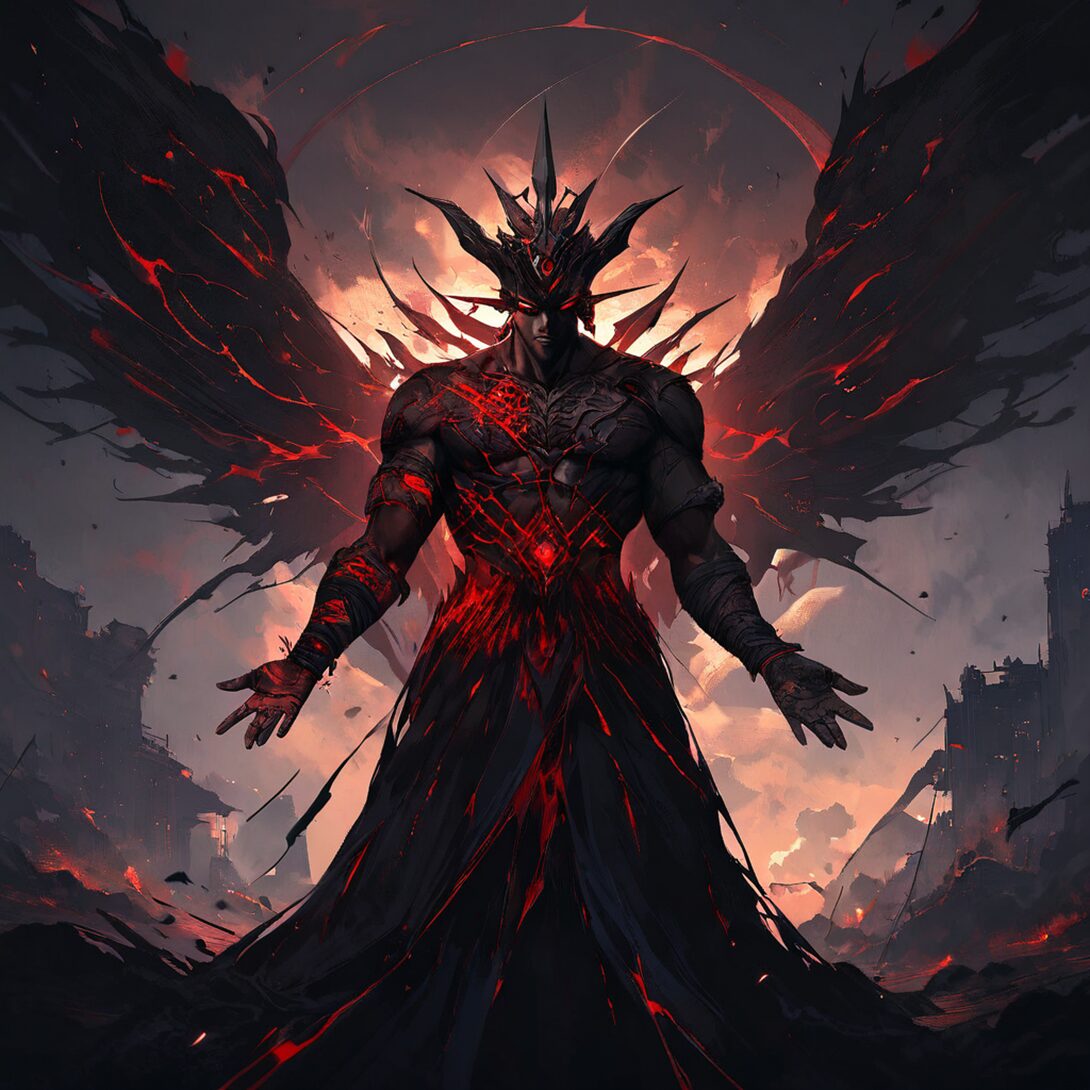
Against the good (Spenta Mainyu = the holy spirit) that Ahura Mazda embodies, there is a root of evil standing in direct opposition. That is “Angra Mainyu (by a later name, Ahriman)” — the “destructive spirit.”
What is important is the point of teaching that this battle does not continue forever, but in the end good (Ahura Mazda) is certain to win. However powerful evil is, it is ultimately fated to be defeated.
Note that, while it is close to monotheism in placing the supreme god Ahura Mazda at the center, it is also dualism in that good and evil fight in balance, so Zoroastrianism is often called “dualistic monotheism.” Whereas the three great monotheisms make the devil “an inferior being created by God,” its great individuality is the point of depicting evil as an independent, fundamental power.
Asha and Druj — Truth and Falsehood
What represents this opposition of good and evil as a more abstract principle is “asha” and “druj.”
“Asha” is one of the most important concepts in Zoroastrianism, meaning truth, justice, the right order of the cosmos. On the other hand, “druj” refers to falsehood, injustice, chaos. To live well is nothing other than to stand on the side of asha (truth) and fight against druj (falsehood). That the ancient Persians thought the lie the greatest evil was written down by the ancient Greek historian Herodotus too.
The Amesha Spentas — the Six Beings Who Aid God
What helps the working of Ahura Mazda is six high beings called the “Amesha Spentas (the immortal holy beings).” These are, so to speak, the good qualities of Ahura Mazda taking form, and have a role close to the later monotheism’s “archangels.” Interestingly, the six are each also guardians of the elements that make up the world.
| Amesha Spenta | Meaning | Creation guarded |
|---|---|---|
| Vohu Manah | Good thought | Livestock, animals |
| Asha Vahishta | Best truth | Fire |
| Khshathra Vairya | Desirable kingship | Metal, the sky |
| Spenta Armaiti | Holy devotion | The earth |
| Haurvatat | Wholeness, health | Water |
| Ameretat | Immortality | Plants |
There is also a way of counting that adds the supreme god Ahura Mazda himself to these six, making “7.” This idea, that a guardian being dwells in every element of the natural world, also connects to the purity thought that does not defile nature, which we see later.
The Daevas and Free Will
Following Angra Mainyu, who leads the camp of evil, are the demons, the “daevas.” In fact, this word has the same root as “deva,” meaning the gods in Indian mythology. In ancient India and ancient Iran, which were originally the same cultural sphere, it is thought that India’s “god (deva)” turned in Iran into the exact opposite, “demon (daeva)” (conversely, the demonic “asura” in India became, in Iran, the supreme god’s title “ahura”).
And what supports Zoroastrianism’s ethics is “free will.” A human is held to be able to choose for themselves which side to take in the battle of good and evil. Rather than fate being decided in advance (predestination), each person’s choice and deeds sway both their own fate and the outcome of the whole world’s battle.
Good Thoughts, Good Words, Good Deeds — the Three Virtues That Are the Pillars of Faith
So, what concretely should a person do to stand on the side of good (Ahura Mazda)? The answer is the astonishingly simple three virtues, “good thoughts, good words, good deeds.”
Think good things, speak good things, do good things. Compared with complex systems of rules like Confucianism’s fine rites or Islam’s Five Pillars, Zoroastrianism is characterized by placing this simple inner ethic at the center of faith.
The Sacred Fire — the True Meaning of “Fire Worship”
Zoroastrianism is called the “fire-worship religion” in Japanese. But it does not worship fire itself as a god. Fire is the most precious “symbol” reflecting Ahura Mazda’s light, truth, and purity. People pray toward the fire, but through the fire they are worshipping Ahura Mazda, who is beyond it.
So in the “fire temple,” the sacred fire is carefully kept, and the highest-ranking fire, once lit, may sometimes be kept burning for hundreds of years without going out.
Purity Thought and the Tower of Silence
Behind the valuing of fire lies a fundamental “purity thought.” In Zoroastrianism, the natural elements of fire, water, earth, and air are thought to be pure things that Ahura Mazda created, and defiling them is strongly warned against as participation in evil.
Here, what was held to be the greatest “impurity” was the human corpse. What was born from this is the distinctive funerary method of sky burial at the “Tower of Silence (Dakhma).”
Consider it. If a corpse is impure, then burying it in the earth defiles the earth, burning it with fire defiles the fire, and floating it on water defiles the water. None of the sacred four elements may be defiled. So Zoroastrians took the method of placing the body atop the “Tower of Silence” and leaving it to be pecked by vultures and the like. Shocking at first glance, this is a rational and devout burial that disposes of the body without defiling the sacred nature at all. This custom has long been kept, centered on the later Parsis of India.
Note that Zoroastrians put on the sacred undergarment (sudreh) and cord (kusti) in the initiation ritual “Navjote” in childhood, and at the spring equinox celebrate the New Year festival “Nowruz,” which celebrates the revival of good (light). Nowruz is still inherited as a festival celebrated by the whole people in Iran and Central Asia.
The Gods Who Aid Ahura Mazda — the Yazatas and Fravashis
Zoroastrianism centers on the one God Ahura Mazda, but below him there are many “yazatas (those worthy of worship)” who work on the side of good. These are the gods worshipped in ancient Iran, incorporated into the framework of Zarathushtra’s monotheism as creations and collaborators of Ahura Mazda. The hymn collection “Yasht” is a gathering of hymns to these yazatas.
| Main yazata | What they govern |
|---|---|
| Mithra | Contract, oath, light. Later also the origin of Rome’s Mithraism |
| Anahita | A goddess governing water, fertility, and abundance |
| Sraosha | The god of obedience and prayer. Guides the souls of the dead and protects them from evil spirits |
| Verethragna | The god of victory and valor |
| Rashnu | The god of justice who weighs souls at the judgment after death |
Even more distinctive is the idea of the “fravashi.” This is a being that is both a guardian spirit and an ancestral spirit dwelling in every person (and even in the gods, and the not-yet-born). The fravashi is held to join the battle against Angra Mainyu as part of the army of good, and at the year’s end was warmly venerated as the ancestors’ fravashis returning home. This is an ancestor veneration similar to Japan’s Obon, and what is interesting is that, within the grand system of good-evil dualism, prayer to familiar ancestors is incorporated.
How Strong Are the Characters? — the Strongest Ranking
The gods and heroes who appeared in this article are also introduced in order of strength in the “Mythology, Religion, and Legend Strongest Ranking.” Please enjoy both their activity in the original texts and their “strength.”

To Learn More
Conclusion
In this article, I explained in detail Zoroastrianism’s teaching and religious life. How was it?
Zoroastrianism grasps the world as the battle of the good god Ahura Mazda and the evil spirit Angra Mainyu, and humans choose by free will to stand on the side of good. Its practice is the simple three virtues, “good thoughts, good words, good deeds,” and it reveres the sacred fire, the symbol of Ahura Mazda, while the purity thought of not defiling the four elements is well expressed in the “Tower of Silence.”
In the next Article 3 (the final installment), I will explain the grand story of how this world was created, how it ends, and salvation — from creation to the end times.
I hope you’ll read the next article too.
Also popular with readers
📚 Series: The Original Texts of Zoroastrianism (3/5)