Thank you for visiting. This article is the fourth installment in a series explaining the original texts of Greek mythology.
So far I have covered the birth of the gods (Article 1), the Iliad (Article 2), and the Odyssey (Article 3). This time, based on Apollodorus’s The Library and Ovid’s Metamorphoses, I explain in detail the adventures of the many heroes and the myths themed on transformation.
For an overview map of Greek mythology’s original texts as a whole, please see this summary article.
What Is Apollodorus’s “The Library (Bibliotheca)”?
| Item | Content |
|---|---|
| Author | Attributed to Apollodorus |
| Main content | A handbook systematically compiling everything from the birth of the gods to the hero tales |
| Key point | A “summary book” that organizes the scattered myths into one |
The Library (Bibliotheca) is not focused on a particular story; it is a handbook that comprehensively organizes the whole of Greek mythology, from the birth of the gods to the genealogies of the major heroes.
Because it prioritizes comprehensiveness over story interest, it is regarded as “the most reliable original text when you want to grasp the whole of Greek mythology systematically.” Many of the hero tales introduced in this article have also come down to us in the form organized by this book.
The Greatest Hero Heracles and the “Twelve Labors”
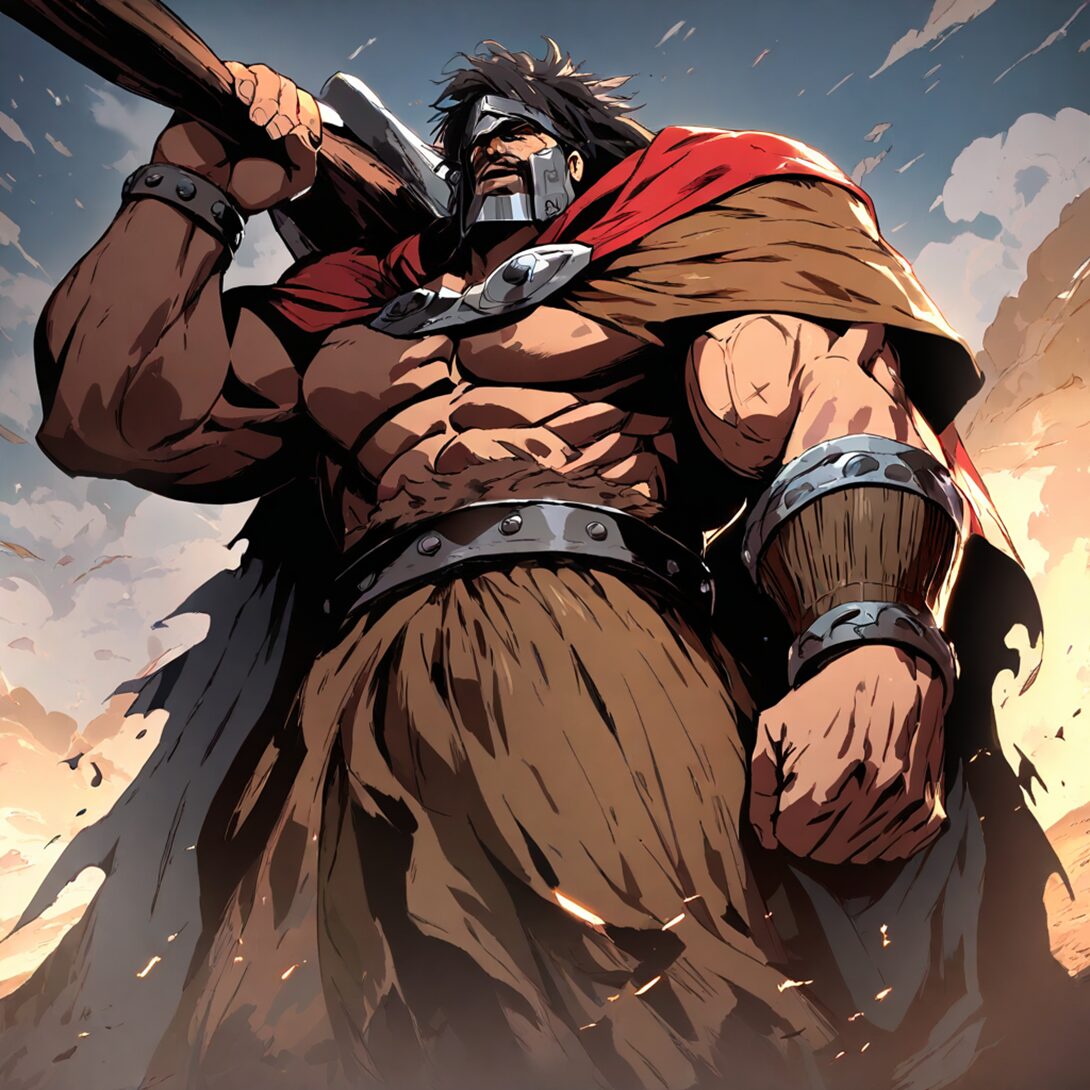
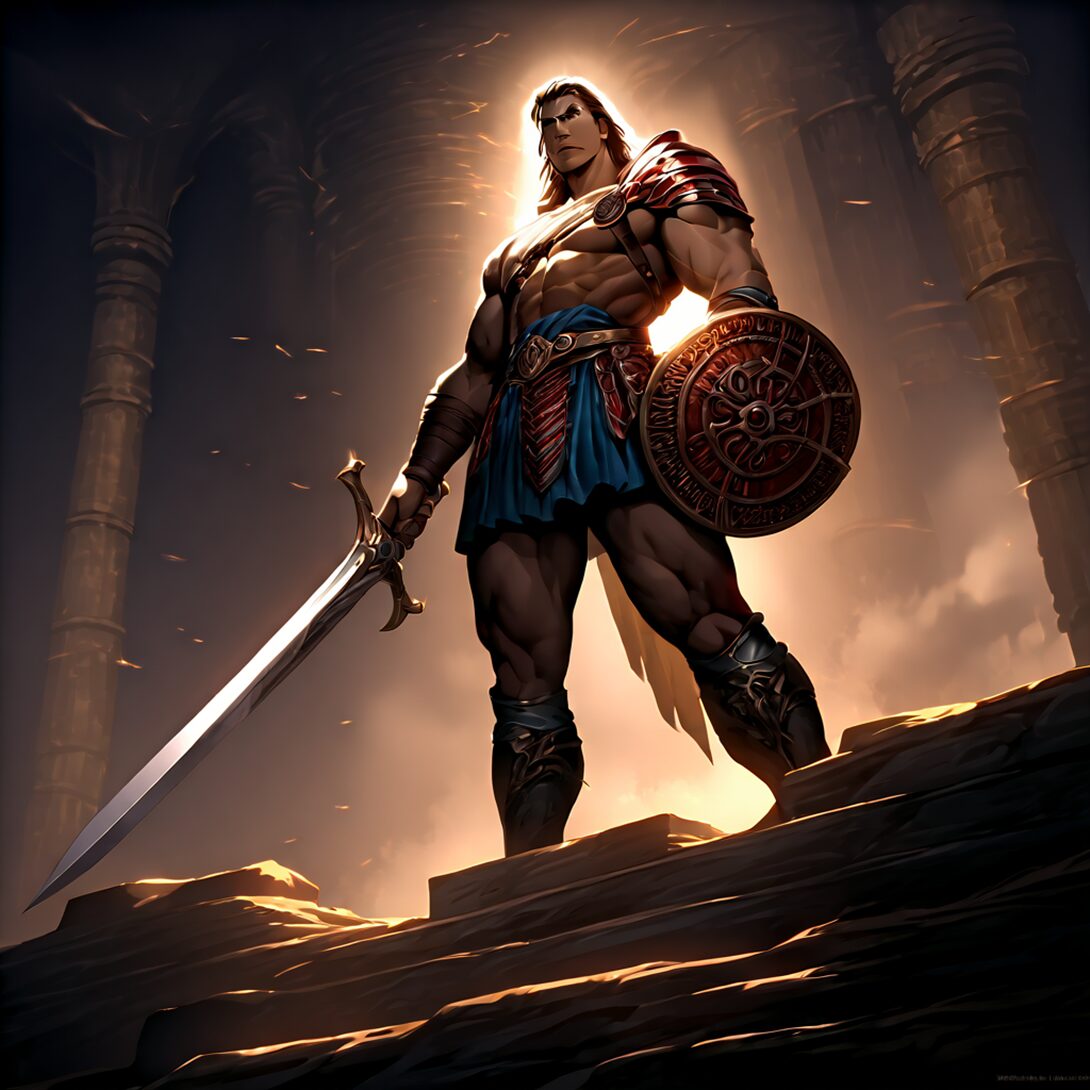
The greatest hero of Greek mythology is “Heracles.” He was the child of Zeus and the human woman Alcmene, with unrivaled strength from birth.
But the goddess “Hera,” the lawful wife, fiercely hated Heracles, the child of her husband Zeus’s affair. The very name Heracles ironically means “the glory of Hera,” yet his life was one of being tormented endlessly by Hera’s harassment.
Heracles grew up and built a family, but he was struck by the tragedy of being temporarily driven mad by Hera and killing his own wife and children with his own hands.
Returning to sanity and crushed by his sin, Heracles sought from an oracle a way to atone for it. The answer came: “Serve King Eurystheus of Mycenae and accomplish all the difficult tasks he commands.”
Thus he was set the famous “Twelve Labors of Heracles.” Originally there were to be ten, but because the king refused to acknowledge two of them as having “irregularities,” they finally became twelve.
| # | Labor | Content |
|---|---|---|
| 1 | The Nemean Lion | Strangles bare-handed an immortal lion no weapon can pierce. Wears its hide thereafter |
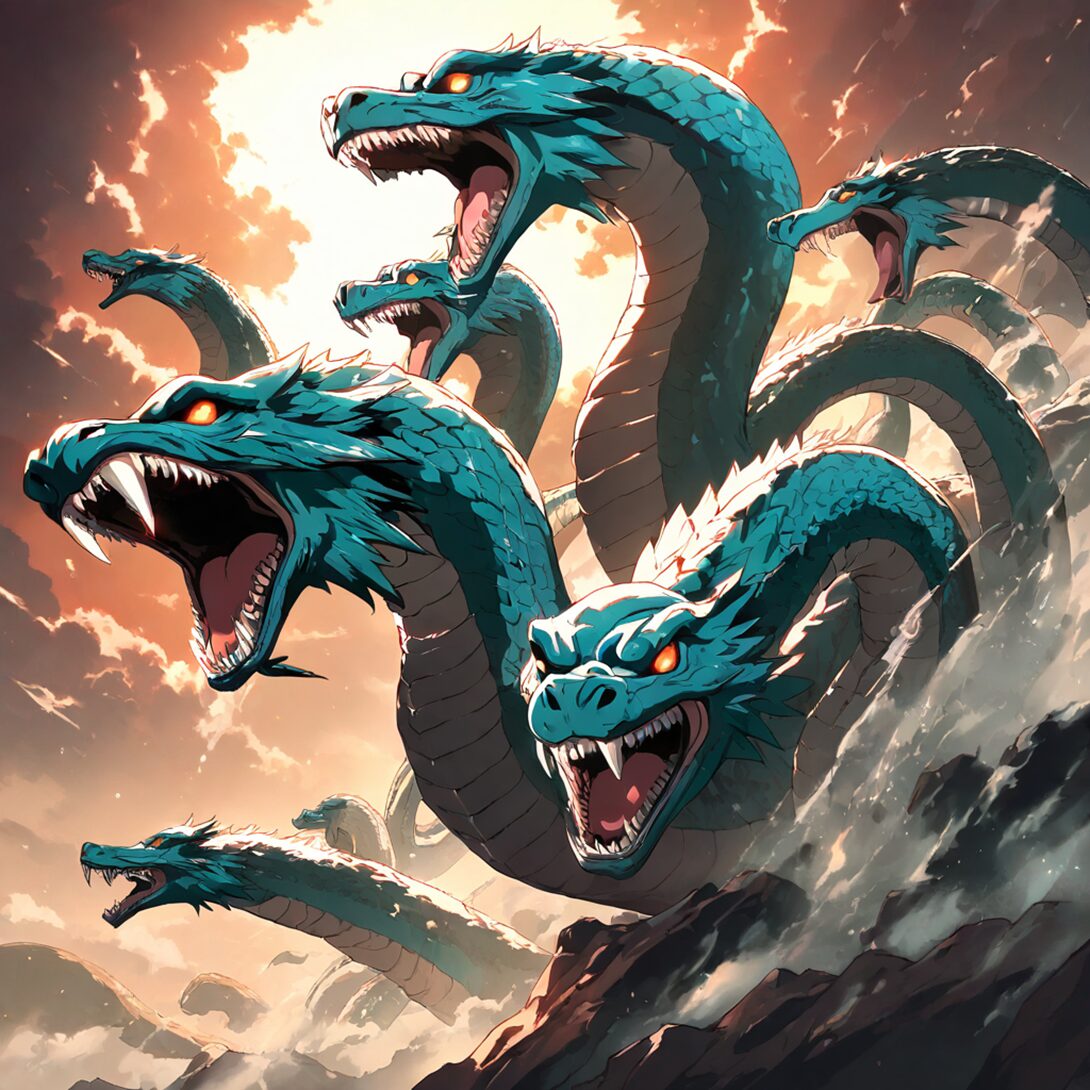
| 2 | The Lernaean Hydra | Defeats the nine-headed water serpent that regrows when cut, by burning the stumps with a torch |
| 3 | The Ceryneian Hind | Captures alive, unharmed and over a year, Artemis’s sacred deer with golden antlers |
| 4 | The Erymanthian Boar | Captures alive a giant boar ravaging a mountain, by driving it into snow |
| 5 | The Augean Stables | Cleans in one day a vast cattle yard uncleaned for 30 years, by diverting a river through it |
| 6 | The Stymphalian Birds | Drives off a flock of man-eating birds with bronze feathers by startling them with sound and shooting them down |
| 7 | The Cretan Bull | Captures the fierce bull rampaging on the island |
| 8 | The Mares of Diomedes | Tames and brings back four man-eating mares by feeding them their master |
| 9 | The Belt of Hippolyta | Obtains the belt of the war god Ares held by the queen of the Amazons |
| 10 | The Cattle of Geryon | Seizes the red cattle of a three-bodied giant living at the far west of the world |
| 11 | The Golden Apples of the Hesperides | Has the giant Atlas, who holds up the sky, fetch them in his place |
| 12 | The watchdog Cerberus | Brings the three-headed dog guarding the underworld’s entrance up to the surface alive |
Through these labors, Heracles shows not only “the strength to defeat beasts bare-handed” but also wisdom, such as changing the course of a river or cunningly moving Atlas with words.
After completing the twelve labors and cleansing his sin, Heracles’s adventures continue, but his end was tragic. His wife Deianira, trying to keep her husband’s love, has Heracles wear a robe smeared with the blood of a monster that had died of poison, believing it a “love charm.” That robe was a deadly poison that burned his body, and the suffering Heracles climbed the funeral pyre himself to end his life. But after death, his soul was raised to heaven and joined the company of the gods.
Perseus — Slaying Medusa
“Perseus” too is a hero with Zeus as his father. His very birth was strange. His mother Danaë was shut in a bronze chamber by her father King Acrisius, who feared the prophecy that “he would be killed by the child his daughter bore,” but Zeus slipped in transformed into a shower of gold, and Perseus was born. The angry king put mother and child in a chest and set them adrift on the sea.
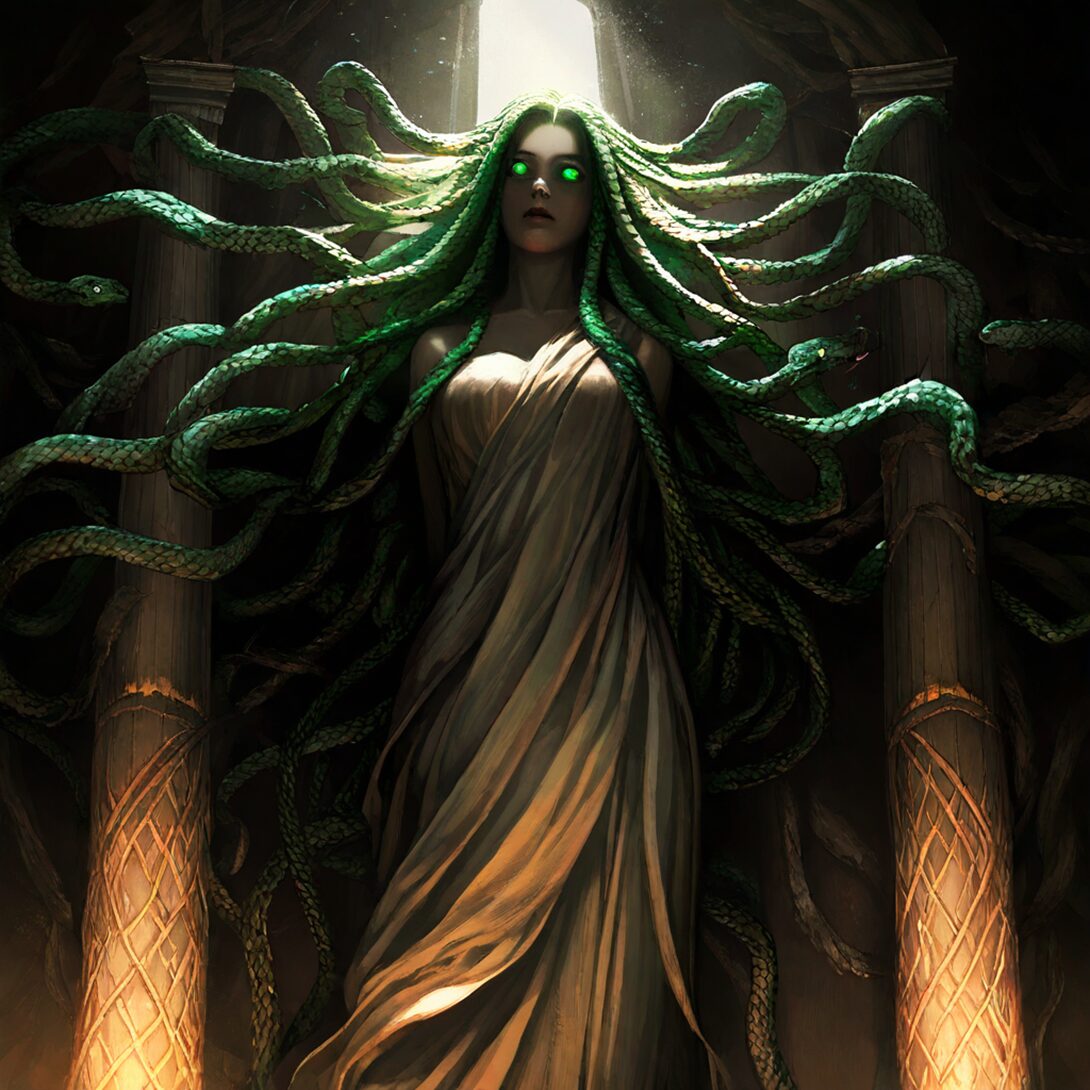
The king of the island they washed ashore on, Polydectes, wanting Danaë for himself, ordered the meddlesome Perseus to bring back a difficult thing — the head of the monster “Medusa,” who turns those who look at her to stone. The goddess Athena and Hermes helped the despairing Perseus. He first visits the three sisters, the “Graeae,” who share a single eye and a single tooth, and seizes their eye to extract from them Medusa’s whereabouts and the location of the tools he needs.
Having gathered the tools, Perseus used Athena’s “polished shield” as a mirror to approach without looking at Medusa directly, and using Hermes’s “winged sandals” and Hades’s “helm of invisibility,” he beheaded the sleeping Medusa. From the severed head, it is told, sprang the winged horse Pegasus, a child of Poseidon.
On his way back, Perseus rescues from a sea monster the princess “Andromeda,” chained to a rock as a sacrifice, and makes her his wife. Medusa’s head retained its petrifying power, and at home he turned to stone King Polydectes, who had been courting his mother. But fate cannot be escaped. In later years, throwing a discus at a contest, Perseus accidentally struck his grandfather Acrisius among the spectators, killing him. The old prophecy was thus fulfilled.
Theseus — the Labyrinth and the Monster Minotaur
The most famous adventure of the Athenian hero “Theseus” is slaying the bull-headed, human-bodied monster “Minotaur,” lurking in the “labyrinth” on the island of Crete.
Theseus was the son of the Athenian king Aegeus. The story begins with the adventure of the grown Theseus lifting and retrieving the sword and sandals his father had hidden under a rock, and heading to his father with them as proof. Along the way, Theseus defeated one after another the villains who tormented travelers. Especially famous is the tale of punishing the bandit “Procrustes,” who laid travelers on a bed, cutting off what stuck out and stretching what fell short, by the same method (the “bed of Procrustes” became a metaphor for forcibly fitting things to a standard).
Reaching Athens at last, he learns that Athens was at the time periodically offering up its youths as sacrifices to the Cretan king Minos. Theseus volunteers as one of those sacrifices and goes into the labyrinth to defeat the monster.
The one who helped him then was the Cretan princess “Ariadne,” who fell in love with Theseus. Tying the “ball of thread” she gave him at the entrance and following the thread, Theseus, after defeating the Minotaur, safely escaped the labyrinth, from which one should never be able to get out. This tale became the phrase “Ariadne’s thread,” meaning a clue to solving a problem.
But Theseus left behind his benefactor Ariadne on the island of Naxos, where he stopped on the way home (she is also said to have later become the wife of the wine god Dionysus). And tragedy compounds. At his departure, his father Aegeus had made him promise, “Return with white sails if safe, black sails if dead,” but Theseus forgot to change the sails to white and returned to port with the black sails up. Seeing this, his father Aegeus, convinced his son was dead, despaired and threw himself into the sea. This sea is said to have come to be called the “Aegean Sea (Aigaion).”
The Voyage of the Argo — in Quest of the Golden Fleece
The hero “Jason” is ordered, as the condition for recovering his stolen throne, to bring back the “Golden Fleece (the golden ram’s fleece)” in a distant foreign land.
Jason gathers the finest heroes of the age — Heracles, Orpheus, the twins Castor and Polydeuces — and boards the great ship “Argo” to set out on an adventure (this crew is called the “Argonauts”). They cross many difficult passages, getting through the gate of the two clashing rocks, the “Symplegades,” by first releasing a dove to gauge the timing. In the land of Colchis they reach, Jason borrows the help of the princess and witch “Medea,” and gets through the trial of plowing a field with fire-breathing bulls and the ordeal in which armed soldiers sprout up when dragon’s teeth are sown by making them fight one another, and finally lays the unsleeping dragon to sleep with magic and at last obtains the Golden Fleece.
But the true tragedy of this story came afterward. Although Medea had abandoned her homeland and kin and devoted herself to Jason, after their return Jason abandoned her to marry the princess of another country. The betrayed Medea, in revenge, killed the new bride with poison, and further killed even her own children born to Jason and vanished. This harrowing drama of revenge became a masterpiece still performed today as Euripides’s tragedy “Medea.”
Bellerophon — the Hero on the Winged Horse
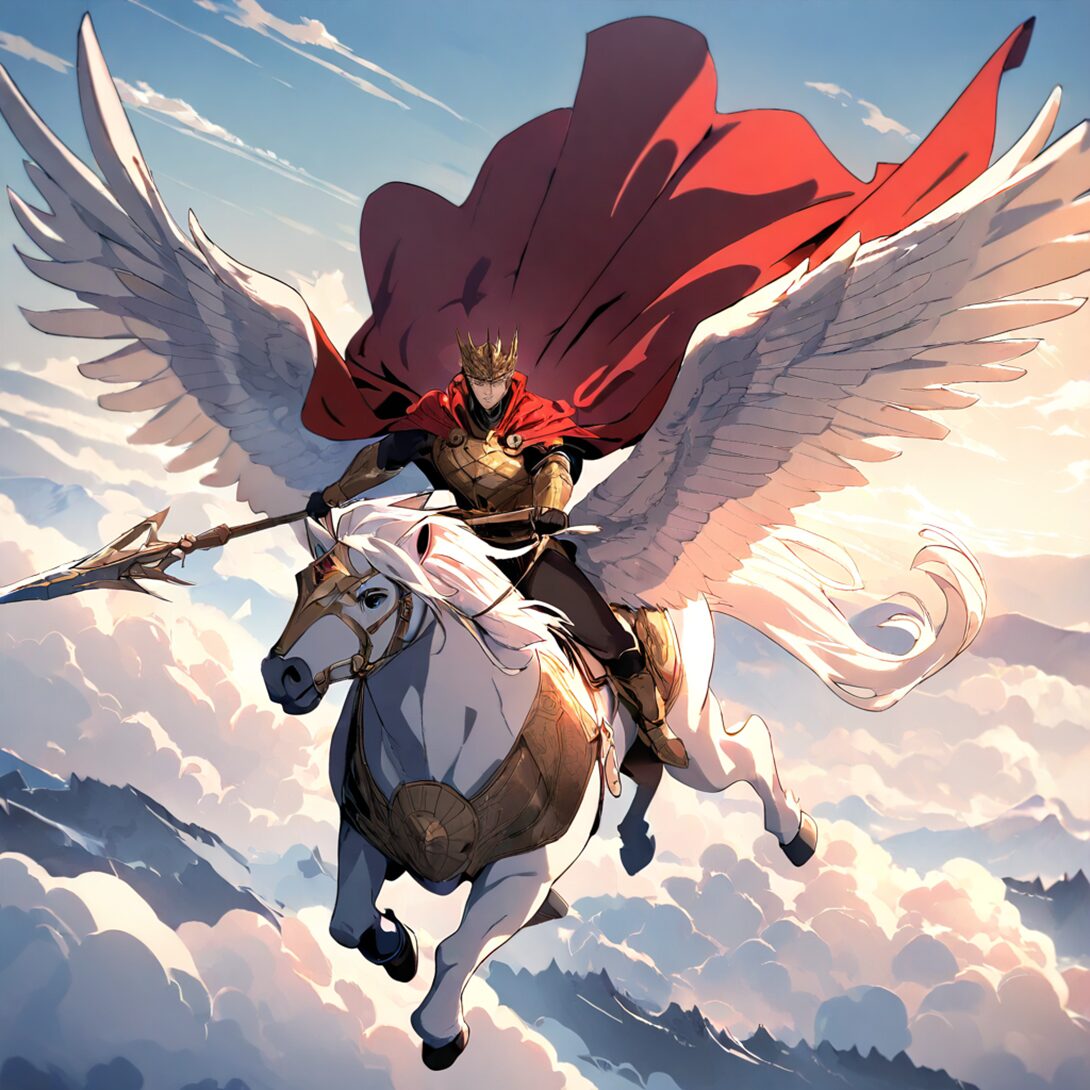
Famous as the hero who rode the winged horse Pegasus is “Bellerophon.” When he rejected the advances of a certain queen, she bore him a grudge and falsely accused him, sending him to the king of Lycia carrying a letter that read “kill the bearer.” The king, knowing the letter’s meaning, set Bellerophon the death-promising task of slaying the monster “Chimera,” a fusion of lion, goat, and serpent.
But with the goddess Athena’s help, Bellerophon tamed the winged horse Pegasus and attacked the Chimera from the air, slaying it splendidly. Having accomplished many difficult tasks and gained fame, he grew arrogant and tried to ascend on Pegasus to the heavens where the gods dwell, and so incurred Zeus’s wrath, fell from the horse, and is said to have become a wanderer on earth. It is a story carrying a warning against a hero’s hubris.
Oedipus — Inescapable Tragedy
The story of the Theban prince “Oedipus” is known as the representative Greek tragedy. He was cursed with the terrible prophecy that he would “kill his father and take his mother as his wife.”
Leaving his home to avoid the prophecy, Oedipus, in a quarrel along the way, unknowingly kills his real father, the king. Further, as a reward for solving the riddle of the monster “Sphinx” that tormented the people (what walks on four legs in the morning, two at noon, three at night = the answer is “man”) and defeating it, he gains the vacant Theban throne and the former king’s queen. That queen was his own mother.
Later learning the truth, Oedipus despairs, puts out his own eyes to become blind, and sets out on a wandering journey. This story poses the question “can a person escape fate?” and became an immortal masterpiece as Sophocles’s play Oedipus Rex.
What Is Ovid’s “Metamorphoses”?
| Item | Content |
|---|---|
| Author | Ovid (a poet of ancient Rome) |
| Structure | 15 books (about 250 stories) |
| Main content | A grand epic of myths gathered under the common theme of “transformation” |
The last to introduce is a work by the ancient Roman poet Ovid. Because Roman mythology inherits much from Greek mythology, it is an indispensable original text for understanding Greek mythology too.
As its name suggests, under the common theme of gods and humans “changing form (transforming)” into animals, plants, stars, and so on, about 250 stories are linked as one great flow, beginning with the Creation and ending with Rome’s Caesar becoming a star.
Among the stories it contains are many that had an enormous influence on later painting and literature.
| Story | Content |
|---|---|
| Apollo and Daphne | The nymph Daphne, fleeing from love, changes into a laurel tree |
| Narcissus and Echo | Pining with love for his own reflection in the water, he dies and becomes a narcissus flower (origin of “narcissism”) |
| King Midas | Wishing for the power to turn all he touches to gold, he suffers as even food and his daughter turn to gold |
| Pygmalion | A sculptor falls in love with the female statue he made, and by the power of the goddess Aphrodite the statue becomes human |
| Daedalus and Icarus | They fly with wings fixed with wax, but the son Icarus flies too close to the sun and plunges |
| Orpheus and Eurydice | He descends to the underworld to win back his dead wife, but breaks the taboo “do not look back” and loses her forever |
| Arachne | A girl who competed in weaving against the goddess Athena is turned into a spider as punishment |
| Pyramus and Thisbe | Lovers torn apart meet a tragic death (held to be the prototype of “Romeo and Juliet”) |
In this way the Metamorphoses is an original text that can be called the culmination of mythological literature, weaving the scattered Greek and Roman myths into one book under the theme of “transformation.”
How Strong Are the Characters Here? — The Power Ranking
The gods and heroes appearing in this article are also introduced in strength order in the “Mythology, Religion & Legend Power Ranking.” Enjoy their exploits in the original texts alongside their “strength.”

To Learn More
Conclusion
In this article, based on Apollodorus’s The Library and Ovid’s Metamorphoses, I explained in detail the hero tales beginning with the Twelve Labors of Heracles, and the many transformation myths. How was it?
I hope you can see that the heroes of Greek mythology depict the various aspects of humanity through not only the valor of slaying monsters, but wisdom and, at times, a struggle with inescapable fate.
With this, the four-article series on Greek mythology’s original texts is complete. I hope you have richly savored the world of Greek mythology, from the birth of the gods to the adventures of the heroes.
For the big picture of Greek mythology’s original texts and links to the other articles, please see the summary article below.
For the strength of the gods and heroes of Greek mythology, please use this ranking article as a reference too.
I hope you’ll read the next article too.
Also popular with readers
📚 Series: The Original Texts of Greek Mythology (5/6)